
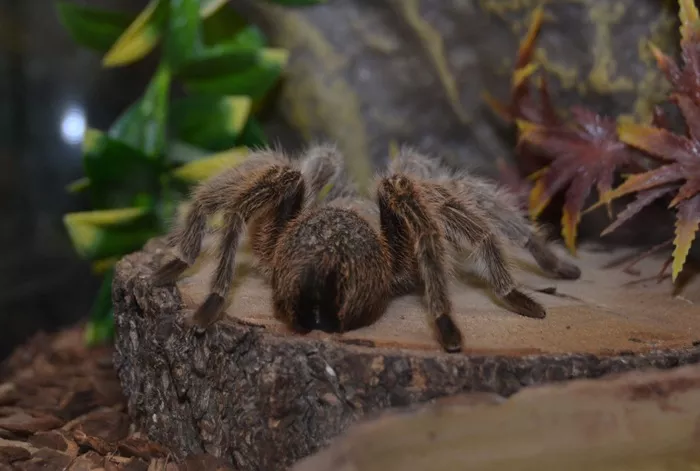
When we think of a tarantula, the first image that may come to mind is that of a big, hairy spider crawling slowly across the floor. But did you know that these fascinating creatures have a complex lifestyle, and one of the most interesting aspects is when they are most active? Are Chilean rose tarantulas nocturnal? This is a common question, especially for people considering keeping one as a pet or studying their natural behaviors.
In this article, we will dive deep into the behavior of Chilean rose tarantulas (Grammostola rosea), explore their activity patterns, and discover why they are classified as nocturnal spiders. Whether you’re a seasoned arachnid enthusiast or a complete novice, you’ll find this guide helpful, and we’ll explain everything in simple terms to make it easy to understand.
What Does Nocturnal Mean?
Before we jump into the specifics of the Chilean rose tarantula, let’s make sure we’re on the same page about what “nocturnal” means. Nocturnal refers to animals that are most active during the night and sleep during the day. It’s like how you might sleep at night and be awake during the day. Many animals, including certain reptiles and insects, follow this cycle to avoid predators, conserve energy, or simply because it fits their natural needs.
Chilean Rose Tarantulas: The Basics
Chilean rose tarantulas are a species native to Chile, Bolivia, and Argentina. They’re known for their calm demeanor, making them popular in the pet trade. You might also recognize them by their rosy-colored hairs that cover their bodies. They’re relatively easy to care for and can live up to 20 years in captivity if given the right environment.
These tarantulas are ground-dwelling and like to hide in burrows or caves. In the wild, they thrive in desert-like environments with low humidity and moderate temperatures. But, the burning question still stands: do they come out at night or during the day? Let’s break this down.
Are Chilean Rose Tarantulas Nocturnal?
Yes, Chilean rose tarantulas are nocturnal. This means that, in the wild and even in captivity, they are most active during the night. But why is this the case? Let’s explore a few reasons behind this behavior.
Adaptation to Their Environment
In their native habitat, Chilean rose tarantulas live in arid, desert regions like the Atacama Desert. These areas can become extremely hot during the day, with temperatures reaching over 100°F (38°C). To avoid overheating and dehydration, these tarantulas have adapted to be more active when the temperatures are lower—during the cooler night.
Imagine if you lived in a place that got super hot during the day. You’d probably want to stay inside during those scorching hours, right? This is exactly what Chilean rose tarantulas do. By staying in their burrows or hidden away during the heat of the day, they can conserve energy and maintain a safe body temperature.
Hunting and Feeding Habits
Tarantulas are opportunistic predators, meaning they wait for food to come close and pounce on it. Most of their prey, such as insects, small rodents, and lizards, are more active during the cooler night hours. By staying hidden during the day and coming out at night, the tarantula can ambush prey more easily.
In captivity, if you observe your Chilean rose tarantula carefully, you’ll likely see it become more active in the evening or night. It’s at these times that it hunts, explores its environment, and even moves around its enclosure. For the same reason, many pet owners find that feeding time is best at night when the tarantula is active and ready to catch food.
The Role of Their Eyes and Senses
One interesting fact about Chilean rose tarantulas is that they have eight eyes, but they don’t rely much on sight for hunting. Instead, they depend more on their sense of touch and the vibrations in the ground. This is why they can be so effective at hunting in the dark. Their sensitive hairs, known as setae, help them detect vibrations from prey that moves nearby, even in low-light conditions.
So, even though the tarantula’s vision might not be as sharp as some predators, it can still sense movement and changes in its environment, making it well-suited for a nocturnal lifestyle.
Life in Captivity: Do They Stick to a Nocturnal Schedule?
If you keep a Chilean rose tarantula as a pet, it’s likely to follow a nocturnal routine, just as it would in the wild. Many pet owners notice that their tarantula is usually inactive during the day and only starts moving around at night. This behavior is completely normal!
However, some Chilean rose tarantulas might show slight variations in their activity levels depending on the environment or temperature they are kept in. For example, if the temperature drops or if the tarantula feels that it’s too cold, it might stay hidden in its burrow for longer periods. In warmer conditions, it might be more active during the day, but this is still rare.
Can You Handle a Chilean Rose Tarantula During the Day?
While they are nocturnal, Chilean rose tarantulas are also relatively calm during the day. If you’re thinking of handling your tarantula, it’s best to do so in the late afternoon or early evening, but don’t worry if it’s still “sleeping” during the day. As long as it’s healthy, it won’t mind being handled carefully.
But remember, even though they are often calm, these creatures can get startled easily, especially if they’re not used to being handled. They may respond by kicking their urticating hairs (tiny, sharp hairs on their abdomen) or by hiding.
How to Create the Best Environment for Your Chilean Rose Tarantula
If you want your tarantula to live happily, you need to mimic its natural environment as closely as possible. This means keeping the habitat dark and relatively cool during the day to encourage natural nocturnal behavior.
Temperature and Humidity
The ideal temperature for your tarantula’s tank should be between 77°F and 86°F (25°C to 30°C), with low humidity (around 50%). This will ensure that the tarantula feels comfortable and stays active during the night.
Hiding Spots
Since Chilean rose tarantulas love hiding in burrows, be sure to add a small hiding place in their enclosure, like a cave or a partially buried piece of bark. This gives them a place to retreat when they feel threatened or when they want to sleep during the day.
Lighting and Tank Placement
Avoid placing the tarantula’s tank in direct sunlight, as this could overheat the spider. Instead, keep the enclosure in a dimly lit area, where it can rest during the day and be ready to roam at night.
Conclusion
To sum it up, Chilean rose tarantulas are indeed nocturnal, and this behavior is linked to their survival instincts in the wild. By staying active at night, they avoid the intense heat of the day and have better hunting opportunities. Whether you’re keeping one as a pet or observing them in the wild, these amazing creatures follow their natural instincts and thrive when left undisturbed in their nocturnal routines.
Related topics: