
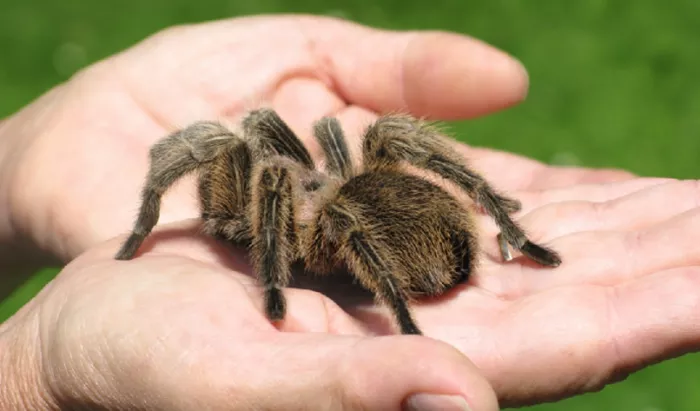
If you’re a tarantula enthusiast or considering keeping a Chilean rose tarantula (Grammostola rosea), you might wonder, “Can I keep my Chilean rose tarantula with other tarantulas?” This question is especially relevant for new tarantula owners or people with multiple spiders in their collection. Keeping tarantulas together sounds like a fun idea at first, but there are many factors to consider before jumping into such a decision. In this article, we’ll explore the possibilities, risks, and best practices when it comes to keeping Chilean rose tarantulas with other tarantulas. By the end, you’ll have a much clearer understanding of whether or not this is a good idea.
What’s at Stake? – Understanding Tarantula Behavior
Before we dive into the specifics, let’s take a moment to understand how tarantulas behave. Tarantulas, including the Chilean rose species, are known for being solitary creatures. They don’t form colonies or groups like ants or bees. Instead, they live alone in their burrows or shelters, and their interactions with others are typically limited to mating and the occasional defensive encounter.
So, can these solitary creatures peacefully share a living space? Or will they turn on each other? Let’s explore this in more detail.
Why Solitary Behavior Matters in Keeping Multiple Tarantulas
Natural Instincts: Why Tarantulas Prefer Solitude
Tarantulas, including the Chilean rose, are generally not social animals. In the wild, they live solitary lives, and their only real interactions with others are during mating season. Even then, the male must be cautious, as females can be aggressive and sometimes even cannibalistic after mating. So, when you think about putting multiple tarantulas in one enclosure, remember that their instinct is to protect themselves and establish their own territory.
This territorial nature can make it hard for two tarantulas to peacefully coexist in the same enclosure. They often see each other as threats rather than companions, which can lead to fighting, stress, or worse.
Space, Resources, and Territory: The Battle for Survival
In nature, tarantulas establish burrows or hideouts that they defend fiercely. In captivity, this need for space and territory doesn’t go away. If you’re thinking about keeping two or more tarantulas together, you need to make sure there’s enough space for each one to feel secure. If one tarantula feels threatened or crowded, it may become aggressive. Even if the enclosure is large, there’s always a chance that one spider will feel that the other is encroaching on its space, leading to conflict.
When it comes to resources like food, tarantulas can also become competitive. A mealworm or cricket can quickly turn into a battlefield when multiple tarantulas are present. This kind of competition could stress out your spiders and even lead to injury or death.
Is There a Safe Way to Keep Chilean Rose Tarantulas Together?
The Risks of Co-Habitation
The short answer? It’s generally not a good idea to keep Chilean rose tarantulas (or most tarantulas) together. Here’s why:
Cannibalism: While it may sound surprising, tarantulas are known to sometimes eat each other. The Chilean rose is no exception. If they are stressed or hungry enough, they may attack and consume the other tarantula, especially if there’s any sign of weakness.
Aggression: Even if the tarantulas are well-fed, they may become aggressive toward each other. One may try to dominate the other, leading to bites, scratches, and even death. Even during the mating process, males must be extremely cautious not to anger females, as they may become aggressive.
Stress: Stress is a major issue for all pets, and tarantulas are no different. Keeping multiple tarantulas together, especially in confined spaces, can stress them out. Stress can affect their health, leading to a decrease in lifespan and overall well-being.
Can They Live Together During Mating?
The only time tarantulas of the same species (like Chilean rose tarantulas) should be kept together is during mating season. Even then, it must be done carefully and under supervision. Males will approach females and tap or vibrate their legs to signal their intentions. If the female is receptive, the male will mate with her. However, males must escape quickly after mating, as females may turn aggressive and attack the male, especially if she’s not satisfied with the mating.
If you’re trying to breed your Chilean rose tarantulas, you must have separate enclosures for each spider when they are not mating. Allowing them to live together outside of the breeding period is risky and can lead to fatal outcomes.
What About Multiple Tarantulas of the Same Species?
If you’re thinking about keeping several Chilean rose tarantulas together, the same rules apply. They are solitary creatures by nature, and cohabitation is not recommended. While some experienced tarantula keepers have managed to keep multiple tarantulas in large enclosures, this requires extensive knowledge, careful planning, and a high level of supervision. In most cases, it’s not worth the risk.
Alternatives to Co-Habitation: Providing a Peaceful Life for Your Chilean Rose Tarantula
Separate Enclosures for Each Tarantula
The safest and best option is to keep each tarantula in its own separate enclosure. You can create a suitable habitat for each Chilean rose tarantula, ensuring that they have enough space, food, and privacy. A good-sized enclosure for a Chilean rose tarantula should be around 10-20 gallons in size. Make sure it’s well-ventilated and has plenty of hiding spots, like logs or caves, to help your spider feel secure.
Enrichment for Your Tarantula
While tarantulas are solitary creatures, they still need mental stimulation. Providing enrichment in their enclosure will help them stay healthy and active. Things like climbing structures, substrate for digging, and occasional treats (like a live cricket or worm) will keep them entertained and content.
You can also monitor your tarantula’s behavior. Some Chilean rose tarantulas are more active than others, and you might notice that yours prefers to stay in its burrow for most of the time. This is totally normal!
Monitoring Health and Well-Being
Keeping your Chilean rose tarantula in a safe, solitary environment means you can focus on its health. Regular checks on its diet, humidity levels, and general well-being will ensure a long and happy life for your pet.
Conclusion
In conclusion, the best approach is to keep your Chilean rose tarantula in its own separate enclosure. While some advanced keepers may experiment with multiple tarantulas in large, specially designed habitats, this is not recommended for most pet owners. The risks of aggression, cannibalism, and stress are too high. Remember, these creatures are solitary by nature, and keeping them alone is the best way to ensure they thrive in captivity.
Keeping tarantulas may sound like a fun idea, but it’s essential to respect their natural instincts. By providing each tarantula with its own space and a proper habitat, you’re ensuring that your Chilean rose tarantula stays happy and healthy.
Related topics: