
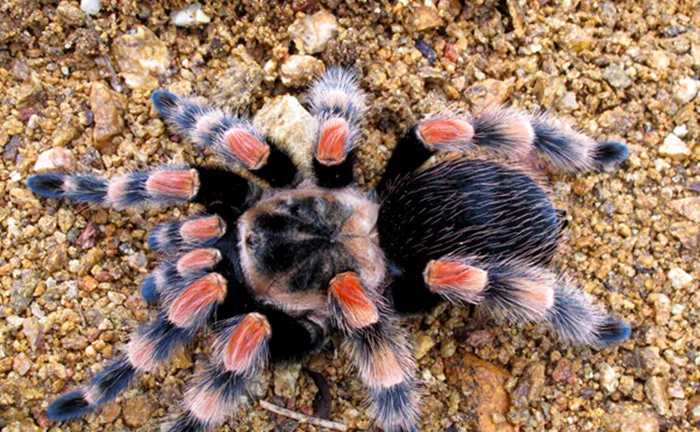
When you first hear the name Mexican Redknee Tarantula, it might conjure up an image of a fierce, angry creature, perhaps ready to attack at the slightest provocation. These spiders, with their striking orange and black legs, are often feared for their appearance. But the question remains—are they actually aggressive?
This article will take you on a journey to discover the behavior of Mexican Redknee tarantulas, exploring their temperament, how they react in the wild versus in captivity, and how you can properly care for them if you’re considering keeping one as a pet. By the end, you’ll have a clearer understanding of whether these spiders are truly aggressive or just misunderstood.
Introduction: Unmasking the Myth of Aggression
Before we dive deep into the behavior of Mexican Redknee tarantulas, let’s first tackle the big question: Are they aggressive?
On the surface, it’s easy to think of any spider with fangs and venom as a danger to humans. But in reality, tarantulas, including the Brachypelma smithi (the scientific name for the Mexican Redknee), are not inherently aggressive creatures. Their behavior is driven more by fear and self-defense than by a desire to attack. So, let’s take a closer look at what might make this species seem aggressive and whether it’s something we need to worry about.
Understanding Tarantula Behavior: Fear, Not Aggression
Tarantulas, including the Mexican Redknee, are more likely to flee from danger than to engage in combat. If a tarantula feels threatened, it will often try to escape first. Only when cornered or physically provoked will it display defensive behaviors, such as raising its front legs, hissing, or flicking its urticating hairs (tiny, sharp bristles on its abdomen) at the threat.
What Does It Mean to be Aggressive?
In the animal world, “aggression” often means the willingness to fight or attack. For most tarantulas, especially the Mexican Redknee, this is not their first choice. Their natural instinct is to avoid conflict, seeking shelter or running away if possible. This makes them more defensive than aggressive.
But, just like with any animal, if you push them too far, they might react. This is not an attack; it’s a form of self-preservation.
The Role of Venom: Should You Be Concerned?
One of the main reasons people associate tarantulas with aggression is their venom. Mexican Redknee tarantulas, like many other tarantula species, possess venom used to immobilize their prey. However, for humans, this venom is typically harmless. The venom of a Brachypelma smithi is not strong enough to cause serious harm to adults, though it may cause localized pain, swelling, or irritation.
Venom vs. Aggression
While their venom can be a scary thought, it’s essential to understand that it’s primarily meant for hunting small prey, like insects. Tarantulas do not use their venom to hunt or attack humans. If a Mexican Redknee bites you, it’s usually a defensive reaction rather than an aggressive one.
Mexican Redknee in the Wild: Defensive, Not Aggressive
In their natural habitat of Mexico and parts of Central America, Mexican Redknee tarantulas are solitary creatures. They live in burrows or under rocks and often remain hidden during the day, only emerging at night to hunt. In the wild, they are preyed upon by birds, reptiles, and mammals, which makes them more likely to avoid confrontation.
Defensive Posture: What Does It Mean?
When threatened, Mexican Redknee tarantulas adopt a defensive posture. They may rear up on their back legs, spread their fangs, and raise their front legs. This is a warning to potential predators to stay away. It’s important to note that this is not an act of aggression but rather a defensive maneuver to protect themselves.
Mexican Redknee Tarantulas as Pets: What to Expect
If you’re considering a Mexican Redknee as a pet, you might be wondering how their behavior changes in captivity. Fortunately, these spiders are quite docile when handled properly. They are not naturally inclined to bite or attack unless they feel threatened. Many pet owners find that these tarantulas are calm and easy to care for, making them an excellent choice for beginners.
Handling Your Tarantula: A Calm Approach
When handling a Mexican Redknee, it’s crucial to be gentle and respectful of their space. If you are too rough or sudden in your movements, your tarantula may become stressed and defensive. It’s best to use slow and steady movements when interacting with them, allowing them to feel secure.
Avoiding Stress and Aggression in Captivity
Stress is one of the key factors that can lead to defensive behavior in tarantulas. When a tarantula feels unsafe, it may display aggressive actions, such as raising its front legs or flicking hairs. To prevent this, ensure your tarantula’s enclosure is large enough, provides plenty of hiding spots, and maintains the right humidity and temperature. A stressed tarantula is more likely to behave defensively, so creating a comfortable environment will help keep aggression at bay.
What Do Tarantula Owners Say About Their Behavior?
Many tarantula owners report that Mexican Redknee tarantulas are calm and low-maintenance pets. In fact, some owners even describe them as “gentle giants.” Here’s a common story from an experienced owner:
“I’ve had my Mexican Redknee for over two years now, and I’ve never had any issues with aggression. She’s actually very calm, and I can hold her without any problems. The only time she shows defensive behavior is when I disturb her during molting.”
These anecdotes show that with proper care and handling, a Mexican Redknee can be a friendly companion.
The Key Takeaway: Not Aggressive, But Defensive
To sum it all up, Mexican Redknee tarantulas are not aggressive creatures. They are defensive when threatened, but they do not actively seek out confrontation. Understanding their behavior is key to enjoying a peaceful coexistence with these fascinating creatures.
Conclusion: Wrapping It Up
Mexican Redknee tarantulas may look intimidating with their fiery orange markings, but they are far from the aggressive creatures they are often made out to be. With the right knowledge and approach, they can make wonderful pets for beginners and experienced reptile owners alike.
So, the next time you encounter a Mexican Redknee, remember that their defensive behaviors are simply a way of protecting themselves, not an indication of aggression. Enjoy watching them thrive in their own space, and give them the respect they deserve.
Related topics: