
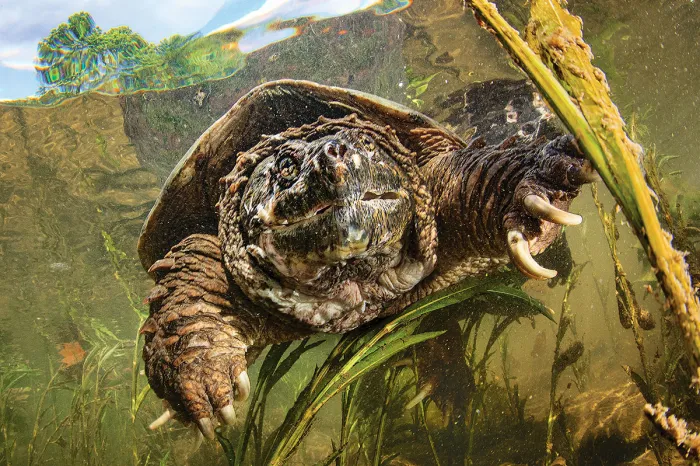
Snapping turtles are known for their powerful jaws and sometimes aggressive behavior, which can make people wary of having them nearby. But are these reptiles really dangerous or harmful to have around? Understanding their nature and habits is key to answering this question.
Behavior and Temperament
Snapping turtles are generally shy creatures that prefer to avoid confrontation. They spend much of their time in water, often buried in mud or hidden among plants. When left undisturbed, they pose little threat to humans. However, if they feel cornered or threatened—especially on land—they can become defensive and snap with a strong bite.
Their bite is certainly painful and can cause injury, but snapping turtles do not attack humans unprovoked. Most incidents happen when people try to pick them up or accidentally step on them. Awareness and caution can prevent most negative encounters.
Risks of Having Snapping Turtles Nearby
Because of their size and strength, snapping turtles can be intimidating. In areas where children play or pets roam freely, there is a risk of accidental bites. Additionally, these turtles are known to be opportunistic feeders; they may eat fish, amphibians, and even small birds or mammals if available.
While this diet helps control certain animal populations, it might also impact local wildlife balance if snapping turtles become too numerous. However, they rarely pose a direct threat to humans beyond their defensive behavior.
Ecological Benefits
Despite their fierce reputation, snapping turtles play an important role in their ecosystems. They help keep aquatic environments healthy by scavenging dead animals and controlling populations of various species. This natural balance supports biodiversity and the overall health of waterways.
Their presence indicates a relatively healthy environment since snapping turtles require clean water to thrive. Removing them without cause can disrupt these systems.
How to Safely Coexist with Snapping Turtles
If you live near water bodies where snapping turtles are common, taking precautions is wise. Avoid handling them unless necessary, and teach children not to approach or disturb these animals. When fishing or wading in their habitats, watch your step carefully.
If you find a snapping turtle in an inconvenient location, it’s best to contact local wildlife professionals rather than trying to move it yourself. They have the experience and tools needed to handle the situation safely.
Conclusion
Snapping turtles are not inherently bad to have around. They can bite if threatened but generally avoid people when possible. Their ecological role is valuable, contributing positively to the environment. By respecting their space and understanding their behavior, we can peacefully coexist with these fascinating reptiles without unnecessary fear.
FAQs
Are snapping turtles aggressive toward humans?
They usually avoid people but will defend themselves if provoked or handled roughly.
Can snapping turtles harm pets?
While bites are possible if pets bother them, attacks are rare. Supervision is recommended in areas with snapping turtles.
Should I remove snapping turtles from my property?
It’s best not to remove them unless they pose a significant risk. Contact wildlife experts for safe relocation if needed.
What should I do if bitten by a snapping turtle?
Clean the wound thoroughly and seek medical attention promptly to prevent infection.