
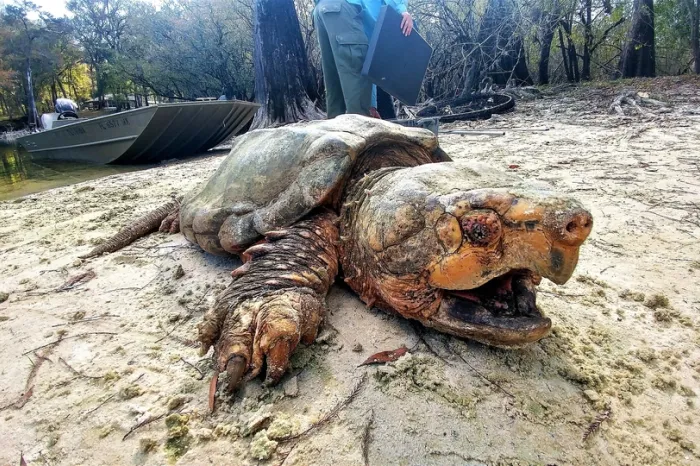
Snapping turtles are well-known reptiles that often capture people’s attention due to their strong jaws and prehistoric look. Many wonder if these creatures are native to America. The answer is yes—snapping turtles are indeed native to North America, where they have lived for thousands of years.
Native Habitat of Snapping Turtles
There are two main species of snapping turtles found in North America: the common snapping turtle (Chelydra serpentina) and the alligator snapping turtle (Macrochelys temminckii). Both species are native to various parts of the continent but occupy different habitats. The common snapping turtle is widespread, living in freshwater environments like ponds, lakes, rivers, and marshes throughout much of the United States and southern Canada. The alligator snapping turtle is more specialized, mainly found in the southeastern United States, preferring large rivers, swamps, and reservoirs.
Characteristics and Adaptations
These turtles have tough shells and powerful jaws that help them survive in the wild. Their strong bite is one of the reasons they earned the name “snapping” turtle. Both species play important roles in their ecosystems as both predators and scavengers. They feed on a variety of aquatic animals, plants, and carrion, which helps keep water habitats clean.
Behavior and Ecology
Snapping turtles tend to be shy but can become defensive if threatened. They spend much of their time underwater but come to land primarily during nesting season. Females lay eggs on sandy or soft soil near water sources. Hatchlings face many dangers but continue the species’ long-standing presence in North American waters.
Conservation Status
While common snapping turtles are relatively abundant, alligator snapping turtles face more threats due to habitat loss and over-collection. Conservation efforts focus on protecting their habitats and regulating hunting practices to ensure these ancient reptiles continue to thrive.
Conclusion
In summary, snapping turtles are native to North America with two primary species adapted to different freshwater environments. Their unique features and behaviors make them important parts of aquatic ecosystems across the continent. Understanding their native status helps promote appreciation and conservation of these remarkable reptiles.
Frequently Asked Questions
Are snapping turtles dangerous to humans?
Snapping turtles can bite if provoked but generally avoid people. They are not aggressive unless threatened.
Can snapping turtles live outside America?
They are native only to North America but have been introduced elsewhere through human activity in rare cases.
What do snapping turtles eat?
Their diet includes fish, amphibians, insects, plants, and dead animals.
How long do snapping turtles live?
They can live several decades, with some reaching over 30 years in the wild.
Are snapping turtles good pets?
Due to their size and care needs, they require experienced owners who understand reptile care.