
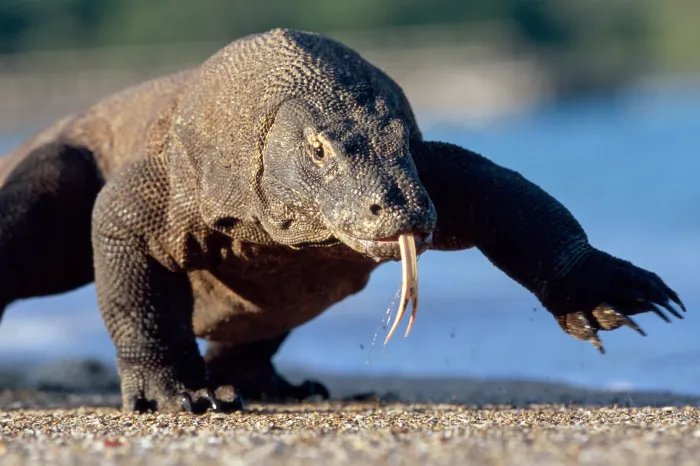
Komodo dragons have long captured human imagination, partly because of their impressive size and fierce reputation. One popular myth is that these giant lizards can breathe fire like dragons in stories. However, this idea is purely fictional. Komodo dragons do not have the biological ability to produce or breathe fire.
Why Do People Think Komodo Dragons Breathe Fire?
The notion that Komodo dragons can breathe fire likely comes from their fearsome appearance and ancient legends. Their powerful jaws, sharp teeth, and aggressive hunting style make them seem almost mythical. In addition, the word “dragon” itself often conjures images of fire-breathing beasts from folklore.
The Biology of Komodo Dragons
Komodo dragons are the largest living lizards, native to a few Indonesian islands. They can grow up to 10 feet long and weigh around 150 kilograms. Despite their size and strength, they are reptiles with no special organs or chemicals that could create fire.
Their bodies are adapted for hunting and survival rather than producing flames. They rely on strong muscles, sharp claws, and venomous saliva to catch prey. Their venom helps lower blood pressure and causes shock in their victims but has nothing to do with fire.
How Do Komodo Dragons Defend Themselves?
Instead of breathing fire, Komodo dragons use other impressive tactics to defend themselves and capture food. They have powerful bites that can crush bone and a keen sense of smell to track prey over long distances.
When threatened, they may hiss loudly, display their sharp teeth, or lash out with their tails. These behaviors intimidate predators or competitors without needing any fiery displays.
Fire-Breathing Animals: A Comparison
Some animals produce light or heat through chemical reactions—like the bombardier beetle, which sprays a hot chemical defense. However, no known animal can breathe fire in the way dragons are imagined in stories.
Komodo dragons do not possess any such mechanism. Their survival depends on physical strength and venom rather than flame production.
Conclusion
In reality, Komodo dragons cannot breathe fire. This myth is a product of human imagination inspired by their dragon-like name and fierce nature. Understanding their true biology helps us appreciate these incredible reptiles for what they really are—powerful hunters with unique adaptations but no fiery breath.
Frequently Asked Questions
Can Komodo dragons spit anything dangerous?
No, they do not spit venom or chemicals. Their threat comes from biting and venom delivered through their saliva.
Why are they called dragons if they don’t breathe fire?
The name “dragon” refers to their large size and fearsome look but does not mean they have mythical abilities like breathing fire.
Do any reptiles breathe fire?
No reptile is known to breathe fire. This ability exists only in myths and fantasy stories.
What makes Komodo dragons dangerous?
Their strength, sharp teeth, venomous bite, and patience as hunters make them formidable predators in their environment.