
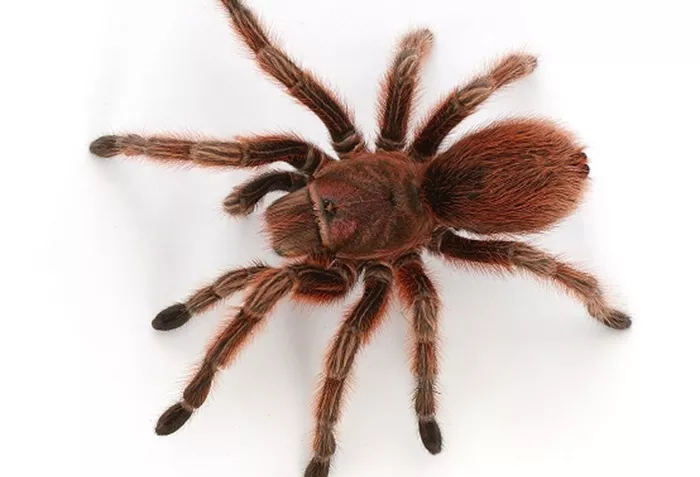
If you’ve ever thought about keeping a tarantula as a pet or are just curious about these fascinating creatures, you’ve probably heard of the Chilean rose tarantula (Grammostola rosea). They are one of the most popular tarantula species in the pet trade, known for their gentle nature and striking colors. But with so many wild animals facing extinction nowadays, you might be wondering: Are Chilean rose tarantulas endangered?
This question is more important than you might think. Understanding whether a species is endangered helps us know if it’s safe to interact with them or keep them as pets. It also tells us if nature needs help to protect these awesome creatures. Let’s dive in and explore everything you need to know about the conservation status of Chilean rose tarantulas — with clear explanations and fascinating insights that even beginners can easily follow.
What Does “Endangered” Really Mean?
Before we jump into the tarantula’s situation, it helps to understand what being endangered means. When scientists say a species is endangered, it means the species is at serious risk of disappearing from the wild forever — basically facing extinction. Imagine if a rare book you love was so fragile that only a few copies existed worldwide. If something bad happened to those copies, the book could be lost forever. That’s what endangered species face.
There’s an official organization called the International Union for Conservation of Nature (IUCN) that tracks species and classifies them based on how at risk they are. The categories range from Least Concern (safe) to Critically Endangered (on the edge of extinction). The IUCN Red List is like a big “report card” on wildlife around the world.
Now, where does the Chilean rose tarantula fit on this report card? Spoiler: It’s not failing — but the full story is worth knowing.
The Natural Habitat of the Chilean Rose Tarantula
The Chilean rose tarantula comes from the high deserts and scrublands of northern Chile, with some populations found in Bolivia and Argentina. Think of these habitats like wide-open sandy neighborhoods with sparse bushes and few tall trees — not your typical lush jungle but still full of life.
These spiders usually dig simple burrows underground or take over old holes left by lizards or rodents. The burrows keep them safe from the harsh sun and predators. Males and females have slightly different “homes” — females dig deeper burrows, while males often stay closer to plants or stones.
Human activity has changed some parts of these natural habitats. Cities, farms, and factories have expanded, which can disturb or reduce the places where tarantulas live. However, despite this, Chilean rose tarantulas remain common in many areas and can still be found thriving in the wild.
Are Chilean Rose Tarantulas Endangered? The Conservation Status Explained
Here’s the core answer: Chilean rose tarantulas are not currently classified as endangered. They do not have a specific wildlife conservation status by the IUCN, which means they are generally considered to be of Least Concern.
Why is that? It’s partly because they have a wide distribution range across northern Chile and parts of Bolivia and Argentina. They are also adaptable to their dry, desert-like environment, which is less affected by some human activities than rainforests or wetlands.
But this doesn’t mean there are no threats. Habitat destruction due to expanding cities and industry can impact local populations. Also, these tarantulas are frequently collected from the wild to supply the pet trade, especially because they are affordable and popular pets.
Still, the species’ population numbers are stable enough that scientists don’t see an immediate danger of extinction.
How Does the Pet Trade Affect Chilean Rose Tarantulas?
You might be surprised to learn that many Chilean rose tarantulas in pet stores around the world are wild-caught. This means they are collected directly from their natural habitats and then sold to hobbyists. It’s like picking wild blueberries instead of growing your own in a garden.
This wild collection can sometimes put pressure on local tarantula populations, especially if done without limits or regulation. However, Chilean rose tarantulas breed relatively slowly and mature over several years, so heavy harvesting could cause problems if it’s not managed carefully.
See Also: How Frequently Do Chilean Rose Tarantulas Eat in Captivity?
Thankfully, some breeders have started to breed Chilean rose tarantulas in captivity, which is awesome news. Captive-bred spiders reduce the need to take animals from the wild and help protect natural populations.
If you’re interested in keeping one as a pet, it’s a good idea to look for captive-bred individuals and avoid supporting wild capture, which helps conservation efforts.
Real Stories from Tarantula Owners: A Closer Look
Many tarantula enthusiasts have shared their experiences raising Chilean rose tarantulas. For example, Sarah, a hobbyist from California, told me:
“My rose tarantula is such a calm and low-maintenance pet. I was surprised to learn that these spiders can live up to 20 years, which means you’re basically adopting a long-term friend! Knowing that mine is captive-bred makes me feel good about not harming wild populations.”
These personal stories show how people connect with these spiders and also highlight the importance of responsible pet ownership.
How Are Chilean Rose Tarantulas Protected?
Although not officially endangered, Chilean rose tarantulas benefit from some indirect protections:
Habitat protection: Some parts of northern Chile and neighboring countries have protected natural parks or reserves. These areas help keep wildlife habitats intact.
Export regulations: Countries sometimes control the number of tarantulas allowed for export, aiming to prevent overharvesting.
Awareness among pet traders: More pet stores and breeders encourage captive breeding and educate buyers on responsible care.
Still, it’s important to stay informed and support conservation programs because changes in environment or demand can quickly alter the tarantula’s status.
Why Is It Important to Know About Species Like the Chilean Rose Tarantula?
You might wonder why it matters if a tarantula is endangered or not. Well, all species, including reptiles and spiders, play important roles in their ecosystems. Chilean rose tarantulas help control insect populations and serve as food for some birds and mammals.
Imagine a balanced scale — if one side suddenly loses weight, the whole scale tips. Similarly, losing even one species can affect others around it. By understanding and protecting species like the Chilean rose tarantula, we help keep nature balanced and healthy.
The Role of Scientific Names in Understanding Species
Here’s a fun fact: You’ve probably heard common names like “rose hair tarantula” or “Chilean fire tarantula.” But these names can be confusing because they sometimes refer to different spiders. That’s why scientists use a special two-part Latin name — in this case, Grammostola rosea — to make sure everyone talks about the same species.
Using this universal scientific name helps researchers, pet owners, and conservationists communicate clearly, no matter where they live in the world.
What You Can Do to Help Chilean Rose Tarantulas and Other Species
If you love reptiles, spiders, or any wild animals, here are a few simple ways to support their well-being:
−Choose captive-bred pets instead of wild-caught ones.
−Support habitat conservation efforts, such as protected parks.
−Share knowledge about why wildlife protection matters.
−Avoid disturbing wild animals or their homes when exploring nature.
Your actions, even small ones, add up to make a big difference.
Conclusion
So, are Chilean rose tarantulas endangered? No, they aren’t currently at risk of extinction. But that doesn’t mean we should take them for granted. Their survival depends on a balance between nature’s resilience and human responsibility.
By appreciating these fascinating reptiles and learning how to care for them responsibly, you become part of a global effort to protect amazing species like the Chilean rose tarantula. Whether as a curious nature lover or a proud tarantula owner, you’re helping keep their world safe and thriving — and that’s pretty awesome!
Related topics: