
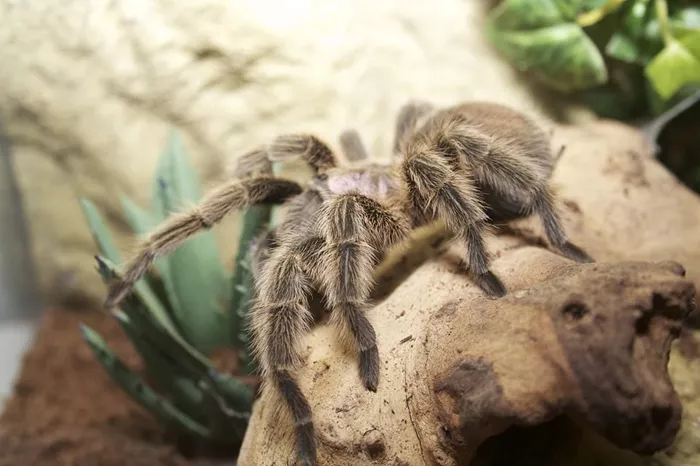
If you’ve ever owned a Chilean rose tarantula (Grammostola rosea)—or plan to—you’ve probably asked yourself this important question: How often do they molt? And why is molting such a big deal anyway?
Molting is like a tarantula’s version of buying a brand-new outfit—but imagine having to take off your entire body to grow! Sounds creepy and amazing, right? For tarantulas, especially Chilean rose tarantulas, molting is one of the most critical stages in their life. It affects everything—from how fast they grow, to how long they live, and even how healthy they feel.
In this article, I’ll guide you through everything you need to know about how often Chilean rose tarantulas molt, why they do it, how to spot it coming, what you should (and shouldn’t) do, and how molting is deeply tied to their lifecycle. We’ll keep things simple, interactive, and packed with science-based info—plus some real pet owner stories along the way. Let’s dive in!
What Is Molting? A Tarantula’s Reboot Button
To understand how often Chilean rose tarantulas molt, we first need to grasp what molting actually is. Simply put, molting is the process by which tarantulas shed their exoskeleton—that hard outer shell that acts like armor. This is known scientifically as ecdysis.
Think of it like this: imagine trying to grow while stuck inside a suit of armor. You’d need to get rid of the old suit and replace it with a bigger one, right? That’s exactly what tarantulas do when they molt.
Why Do They Need to Molt?
Molting isn’t just for growth. Here are some key reasons:
Size increase – Just like kids outgrow their clothes, young tarantulas outgrow their exoskeleton.
Tissue regeneration – They can regenerate lost legs or damaged body parts over time, especially while young.
Parasite control – Molting helps shed external parasites or mites.
Grooming reset – Even tarantulas need a little glow-up now and then!
Now that you know what molting is and why it’s essential, let’s explore how frequently these fascinating arachnids actually go through it.
Molting Frequency: Age Is Everything
The frequency of molting in Chilean rose tarantulas isn’t one-size-fits-all. It varies dramatically depending on their age, gender, diet, and environment.
Molting in Spiderlings (Baby Tarantulas)
Spiderlings—yes, baby tarantulas are called that!—molt very frequently, about every 3 to 6 weeks when well-fed and kept under proper conditions.
Think of spiderlings like toddlers: growing fast, full of energy, and always hungry. With each molt, they get noticeably bigger, often doubling in size in the earliest stages.
Real Tip:
One hobbyist shared on a tarantula forum that her Grammostola rosea sling molted five times within its first 6 months, kept in a warm enclosure and fed twice a week.
Juveniles: Slowing Down a Bit
As they grow into juveniles (around 1–3 years old), the molting pace slows down. Expect a molt roughly every 2 to 4 months, depending on food intake and temperature. Growth is still steady, but not as rapid.
Tarantulas at this stage are comparable to teenagers—still growing, but at a more measured pace. They’re also starting to develop more visible features, like the classic rose-colored hairs on their body.
Adult Females: The Long Wait
Adult female Chilean rose tarantulas may molt just once every 1 to 3 years. That’s right—they can go YEARS between molts. Why? Because they’ve already reached their full size.
Adult females can live 20 years or more, and some reports even suggest they may live up to 25+ years under ideal conditions.
One owner reported on Arachnoboards that his female Grammostola rosea went 4.5 years without molting before finally doing so in her late teens!
Adult Males: Shorter Life, More Urgency
Male tarantulas mature faster but live shorter lives. Once they perform their mature molt—usually after 3–6 years—they are considered sexually mature. After that, many males only live another 1 to 2 years.
Post-mature molting in males is very rare, and most never molt again after maturity. Instead, they spend their remaining months searching for a female.
So now we know how age and gender affect molting frequency. But what about external factors—like food and temperature? Let’s take a closer look.
Factors That Affect Molting Frequency
1. Diet and Nutrition
You are what you eat—and so is your tarantula. A well-fed tarantula that’s given gut-loaded insects (like crickets or mealworms fed fresh veggies) will molt more regularly than one that’s underfed.
2. Temperature and Humidity
Tarantulas kept in slightly warmer conditions (around 24–28°C or 75–82°F) often grow and molt faster than those in cooler enclosures. Humidity around 65–75% helps, especially for younger tarantulas.
But beware: overly wet or dry conditions can delay or complicate molting.
In one study, spiderlings kept at optimal temperatures molted 20% faster than those kept in lower temperatures.
3. Stress and Handling
Too much noise, vibration, or frequent handling can stress your tarantula, leading to molting delays or failed molts.
Give them a calm, quiet space—and don’t poke them when they’re acting sluggish or hiding a lot.
4. Pre-Molt Phase
Before a molt, tarantulas often stop eating for days or even weeks. They may hide, look dull, or appear slightly bloated. This is totally normal—it’s like their version of a spa retreat before the big transformation.
You’ve seen how lifestyle and environment play a role in molting frequency. But how can you tell when your Chilean rose tarantula is about to molt? Let’s explore the signs.
Signs Your Chilean Rose Tarantula Is About to Molt
Molting is a vulnerable process. So, tarantulas show very specific pre-molt behaviors to prepare for it.
Common Pre-Molt Signs:
Loss of appetite – May fast for weeks
Lethargy – Moves less, hides more
Darker abdomen – Especially near the bald patch
Increased webbing – Especially around their hide
Flipping over – Lying on their back is normal during molting (don’t panic!)
Real-World Insight:
Many first-time owners mistake the tarantula’s upside-down posture as death. In reality, this is exactly how they molt—they push out of the old exoskeleton from below.
Spotting these signs helps you prepare—but what should you actually do when molting begins? Let’s break down your action plan.
See Also: Where to Buy a Chilean Rose Hair Tarantula: Best Options
What You Should (and Shouldn’t) Do During Molting
Do:
Leave them alone – Seriously, no touching or feeding
Keep the enclosure quiet
Maintain proper humidity – Especially for spiderlings
Remove uneaten prey – Crickets can attack a molting tarantula
Don’t:
Try to help them molt – You might injure them
Change the enclosure setup suddenly
Mist them directly – Moisture is good, but not on the spider
Molting can take anywhere from 30 minutes to several hours, depending on the age and size of the tarantula.
Post-Molt:
After molting, the tarantula’s new exoskeleton is soft and vulnerable. It needs time to harden, which can take:
1–2 days for spiderlings
Up to 2 weeks for adults
Never feed them during this recovery period, as even small prey can hurt them.
What If a Molt Goes Wrong? Common Problems and Fixes
Stuck Limbs or Fangs
If parts of the old exoskeleton don’t fully come off, it can lead to injury or deformity. A common sign is a leg that looks twisted or undeveloped.
Veteran keepers sometimes use a humidity chamber to help—but beginners should consult a vet or arachnid specialist if in doubt.
Dehydration During Molt
This can be fatal. Make sure clean water is always available and humidity is at safe levels.
Most molts go smoothly, but knowing what to do if things go wrong is crucial. Now, let’s tie it all together with some expert advice and real-life stories.
Molting and the Big Picture: What It Says About Your Tarantula’s Health
Regular, successful molts are a sign of good health in tarantulas. On the flip side, delayed molts, abnormal behavior, or molting injuries can signal stress or poor husbandry.
If your Chilean rose tarantula hasn’t molted in over a year, but still eats and behaves normally—don’t worry. Some females can go years between molts.
Final Thought from a Breeder:
“I’ve raised over 300 tarantulas in 10 years. Grammostola rosea are the slowest molters, but also the hardiest. Don’t expect fireworks—just a patient pet that can outlive your cat.”
Conclusion
Molting is a fascinating, sometimes nerve-wracking, part of raising Chilean rose tarantulas. But with the right care, calm observation, and understanding of their life cycle, you’ll learn to spot the signs and support your spider through each transformation.
These exotic creatures may take their sweet time growing up, but every molt is a moment of awe. So next time you see your tarantula lying on its back—don’t panic. Celebrate another successful step in its journey.
Related topics: