
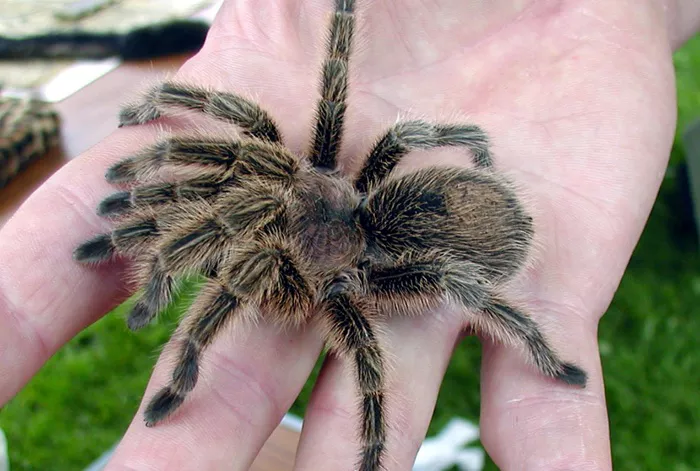
Imagine you’re carefully reaching into your terrarium to check on your pet Chilean rose tarantula, also known as Grammostola rosea—one of the most popular tarantulas worldwide. Suddenly, it gives you a quick nip! What just happened? Why would this usually docile spider bite you?
If you’ve ever wondered why Chilean rose tarantulas bite, you’re not alone. This question puzzles many new and experienced tarantula owners alike. Today, you’ll get the full scoop on what triggers their bite, what it means, and how to handle it with confidence and care.
Let’s dive into the fascinating world of Grammostola rosea, and unlock the amazing reasons behind their biting behavior. Don’t miss it!
The Chilean Rose Tarantula: An Overview of an Awesome Species
Before we talk about biting, it’s helpful to know a little about this species. The Chilean rose tarantula is a hairy spider native to the high deserts of Chile, Bolivia, and Argentina. It’s known for its reddish or “rose-colored” hairs, which give it a charming look.
As a reptile and arachnid expert, I’ve seen how their calm nature and hardiness make them favorites for pets. They usually prefer to avoid conflict and will often run away rather than bite. Think of them like shy roommates who don’t want to bother you—they only get defensive when pushed too far.
They live in burrows or hide under rocks and plants, and feed mostly on insects and sometimes small rodents. But when cornered or threatened, they have several defense tools—including biting.
Why Does the Chilean Rose Tarantula Bite?
Simply put, biting is their last line of defense. It’s their way of saying, “Hey, back off!” But it’s not their first choice. Let me explain the main reasons why your Chilean rose tarantula might bite:
1. Feeling Threatened or Stressed
Imagine if someone suddenly grabbed your shoulder hard without warning. You’d probably react defensively, right? It’s the same for tarantulas.
If your Grammostola rosea feels scared, trapped, or handled roughly, it might bite to protect itself. Stressful situations include sudden movements, loud noises, or aggressive handling. Since they can’t run away easily in a small tank, biting becomes their way to push a perceived threat away.
2. Mistaken Identity: When You Are “Food”
Tarantulas are predators, but they don’t have eyes as sharp as ours. Sometimes, a sudden movement near their mouth area or vibrations from your hand might confuse them into thinking you are prey. They bite to grab and subdue what they believe is food.
This is like when you wave your hand quickly near a dog’s face, and it tries to bite your hand—not out of anger, but confusion.
3. Protecting Their Territory or Eggs
Females, especially when guarding egg sacs or young spiderlings, can be more defensive and prone to biting. This is nature’s way to keep their offspring safe from predators.
What Happens When a Chilean Rose Tarantula Bites You?
You might be wondering: Is the bite dangerous? Should you panic?
First, let’s put your mind at ease.
Mild Venom: Not Deadly, but Not Harmless
The Chilean rose tarantula’s venom is mild compared to more dangerous spiders. It contains neurotoxins and enzymes that help immobilize and digest prey, but for humans, a bite is usually no worse than a bee sting.
Symptoms often include:
Mild pain or burning sensation
Localized redness and swelling
Possible itching or mild muscle cramps (rare)
However, allergic reactions are possible but extremely rare.
Beware of Urticating Hairs
Interestingly, Grammostola rosea has another defense mechanism: tiny, barbed hairs on its abdomen called urticating hairs. They flick these hairs into the air when threatened. These hairs can cause irritation, itching, or even eye inflammation if they come into contact with skin or eyes.
In fact, several pet owners have reported cases where tarantula hairs caused eye problems after cleaning tanks without protection. So, handling your Chilean rose tarantula carefully is important—not only to avoid bites but also to avoid irritation from these hairs.
What Do Real Pet Owners Say About Bites?
Let me share an interesting story from a Chilean rose tarantula owner, Sarah, who has kept several tarantulas over 5 years.
She said, “I’ve only been bitten once, and it was totally my fault—I startled her while cleaning her tank. The bite felt like a sharp pinch, and my finger swelled a little for a day. No big deal, but it reminded me to be gentler and slower with my hands around her.”
Stories like Sarah’s highlight that bites are usually avoidable with calm and careful handling. Most bites happen because the spider feels threatened, not because they are aggressive creatures.
See Also: What’s the Best Food for Chilean Rose Tarantulas?
How to Avoid Being Bitten by Your Chilean Rose Tarantula
Knowing why Chilean rose tarantulas bite is half the battle. Here’s how you can lower your chances of being bitten:
Be Gentle and Slow
Sudden movements startle tarantulas. Move slowly and calmly when you approach or handle them.
Respect Their Space
If your tarantula is hiding or refusing food, don’t force interaction. They have their own moods, just like us!
Use Tools When Cleaning
Instead of your fingers, use soft brushes or tweezers to clean the enclosure or move your spider gently.
Wear Protective Gloves and Eye Protection
Especially when cleaning the tank, gloves and goggles can protect you from bites and urticating hairs.
What to Do If You Get Bitten
If a bite happens, don’t panic. Here’s a simple first aid guide:
−Clean the wound with soap and water to avoid infection.
−Apply a cold compress to reduce swelling.
−Take an antihistamine if itching or swelling is uncomfortable.
−Monitor for allergic reactions such as difficulty breathing or severe swelling. If these occur, seek emergency medical help immediately.
−Avoid scratching the bite to prevent irritation or infection.
Understanding Your Tarantula’s Behavior Helps Build Trust
Your Chilean rose tarantula’s bite is often a message, not an attack. When you understand the reasons behind biting—fear, stress, defense—you can adjust your care and handling to create a more trusting environment.
They are fascinating reptiles and arachnids that can live up to 20 years or more with proper care. The bond you build with them will reduce defensive behaviors like biting.
The Science Behind the Bite: What Makes It Work?
A bite from Grammostola rosea uses specialized mouthparts called chelicerae. These are like tiny pincers equipped with fangs that inject venom.
Think of the chelicerae as the spider’s “syringes,” delivering venom that contains enzymes to break down prey tissues and neurotoxins to immobilize it. For humans, this venom is mild but effective in small doses for the spider.
Their venom also contains a unique peptide called GsMTx4, which scientists study for potential medical uses because it can affect mechanosensitive ion channels in cells—a fancy way of saying it could help us understand how cells respond to mechanical stress.
Conclusion
To sum up, Chilean rose tarantulas bite mainly as a form of defense when they feel threatened, stressed, or confused. While their bites are usually mild and not dangerous to humans, they still deserve respect and careful handling. Besides biting, these tarantulas also use tiny urticating hairs as a first line of defense, which can cause irritation if they come into contact with skin or eyes. By understanding their behavior and using gentle, slow movements along with protective gear, you can greatly reduce the risk of being bitten.
Remember, a bite from your Grammostola rosea is their way of communicating—an important message telling you to back off. With patience and care, you can build a safe and trusting relationship with your awesome pet tarantula, turning potential bites into moments of connection and understanding.
Related topics: