
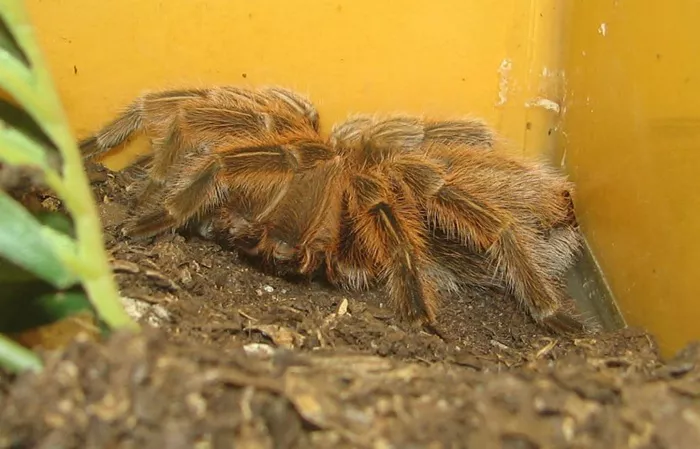
When you hear the name Chilean rose tarantula (Grammostola rosea), what comes to mind? Many people imagine a docile, ground-dwelling spider with beautiful pinkish or reddish hairs that make it one of the most popular species in the pet trade. But what if I told you that this widely loved tarantula’s habitat isn’t as straightforward as it might seem? Are these spiders arboreal (tree-dwelling), or do they prefer life on the ground? Stick with me to unlock some fascinating facts about this iconic tarantula.
What Does “Arboreal” Mean?
Let’s start by breaking down the term “arboreal” so that it’s crystal clear for everyone. Simply put, arboreal refers to animals that live in trees. These creatures are perfectly adapted for life among the branches, often using their specialized limbs, claws, and behavior to climb, hunt, and live in the heights of forests or wooded areas. The opposite of arboreal is “terrestrial,” which refers to creatures that primarily live on the ground.
Now, back to the Chilean rose tarantula. Is it an arboreal tarantula, or does it call the ground home? Let’s dig deeper!
Where Do Chilean Rose Tarantulas Live in the Wild?
To understand whether Grammostola rosea is arboreal, we need to take a trip to its natural habitat. These tarantulas are native to the high desert and scrub regions of northern Chile, Bolivia, and Argentina. Imagine dry, arid environments with sparse vegetation and low humidity—this gives us our first clue.
In the wild, Chilean rose tarantulas are terrestrial creatures. They often dig burrows in the sandy or loose soil, which provides protection from both predators and the harsh desert temperatures. Their burrows are typically shallow, extending only 40 cm deep, and are used for shelter, hunting, and even mating. So, in this environment, climbing trees would be quite unnecessary, as they have everything they need at ground level.
Are There Any Arboreal Traits in Chilean Rose Tarantulas?
While these tarantulas are predominantly ground-dwelling, there’s an interesting exception to consider. Some keepers have reported seeing Chilean rose tarantulas climb up objects like the sides of their enclosures or even sticks and branches. However, this behavior doesn’t automatically make them arboreal.
Why do they climb? Well, it’s likely because they feel stressed, need to escape from something, or are exploring their environment out of curiosity. Keep in mind that these creatures don’t climb trees in the wild for survival or nesting. They are far more likely to find refuge in their burrows.
Interestingly, there are some tarantula species that are fully arboreal, such as the Pink Toe Tarantula (Avicularia avicularia), but the Chilean rose tarantula is definitely not one of them. If you observe one of these tarantulas climbing in captivity, it’s more of a sign of stress or a need for exploration rather than an indication that they’re arboreal by nature.
Chilean Rose Tarantulas: The Burrowers
In their natural environment, Chilean rose tarantulas thrive in burrows. Picture this: A cozy, silk-lined tunnel beneath the dry earth where the temperature remains relatively constant, protecting the spider from the extreme heat of the day and the cold nights.
This makes sense considering how important burrowing is for their survival. Burrows provide shelter, a place to trap prey, and safety from potential predators. In fact, the Chilean rose tarantula’s burrow is often quite elaborate for its size—sometimes even extending as deep as 40 cm (around 16 inches) in the ground.
Why Aren’t Chilean Rose Tarantulas Arboreal?
Chilean rose tarantulas, being terrestrial, are adapted to living on the ground, not in trees. Their legs are strong and robust, designed for moving along the soil or climbing short vertical surfaces like rocks, but not for reaching the heights of trees. Their claws are suited for gripping the ground, and their webbing is used to line their burrows or secure prey.
On top of that, their behavior and feeding patterns further reinforce their ground-dwelling lifestyle. These spiders are opportunistic hunters, often sitting in wait at the entrance of their burrows until unsuspecting prey like insects, small rodents, or lizards come too close. Unlike arboreal tarantulas, which might actively climb trees in search of prey, Chilean rose tarantulas are more likely to catch their meals by ambush from the safety of their homes.
The Difference Between Terrestrial and Arboreal Tarantulas
If you’re still a bit confused about what separates terrestrial and arboreal tarantulas, let me help by giving you some key differences.
Webbing: Terrestrial tarantulas, like the Chilean rose, create webs to line their burrows, while arboreal tarantulas typically build more vertical webs, often in the nooks of trees or against the sides of enclosures.
Climbing Ability: While some terrestrial tarantulas might climb occasionally (like the Chilean rose), they are not as agile or adept at climbing as arboreal species. Arboreal tarantulas have better adapted limbs, claws, and a much more specialized way of moving through trees.
Behavior: Arboreal species are often more active and agile, as they need to move between trees in search of food. Terrestrial species, like the Chilean rose, are more sedentary and content with remaining in their burrows for long periods, only leaving to hunt or mate.
In Captivity: What Does This Mean for You as a Pet Owner?
As a pet owner, understanding the natural habitat and behavior of the Chilean rose tarantula will help you create the perfect environment for it. Since they are terrestrial, your pet will need a spacious, ground-level terrarium with enough room for it to burrow and hide. A good rule of thumb is to provide a substrate that allows for burrowing, like coconut fiber or peat moss, and some hiding places for security.
Even though Chilean rose tarantulas are not arboreal, you can still add some climbing branches or logs in the enclosure if you want. These won’t be essential to your pet’s well-being but can help mimic a more natural environment, giving your tarantula opportunities for exploration. However, keep in mind that these spiders are not likely to spend much time climbing.
What Happens if You Give Them Too Much Vertical Space?
If you put a Chilean rose tarantula in an enclosure with a lot of vertical space and not enough ground area, you might notice that it spends less time climbing and more time trying to find ways to hide. This is a clear sign that the spider feels unsafe or stressed. Keep your spider’s enclosure mostly horizontal, with plenty of room to dig and explore the ground, and only limited vertical space for curiosity.
Key Takeaways:
- Chilean rose tarantulas are terrestrial, not arboreal.
- They naturally live in burrows in the desert regions of Chile, Bolivia, and Argentina.
- While they may climb occasionally in captivity, it’s more of a sign of stress or exploration, rather than a natural behavior.
- Providing a burrowing environment in captivity is crucial for their well-being.
Transitioning to Your Next Step in Tarantula Care
Now that you understand the ground-dwelling nature of Chilean rose tarantulas, you’re better equipped to create a suitable home for your pet. But there’s still so much more to learn about their care! From diet to handling, these fascinating creatures have many needs. Stay tuned for more tips to help you become a pro at keeping these beautiful spiders!
Related topics: