
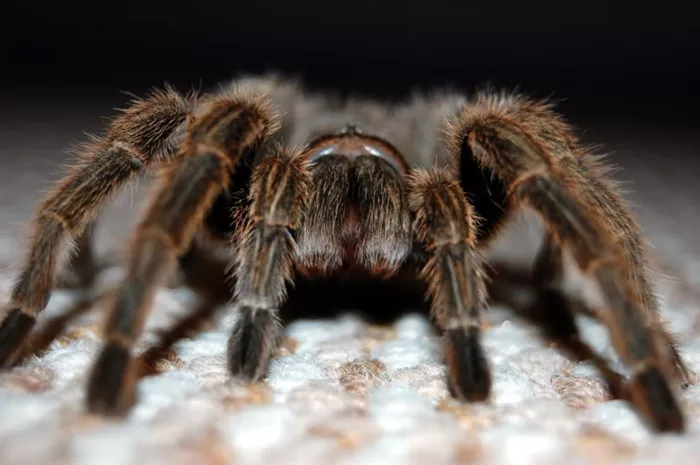
If you’ve ever wondered what the Chilean rose tarantula’s habitat looks like, you’re in for an exciting journey into the world of these fascinating creatures! You might picture a dark, ominous spider lurking in the corners of some mysterious jungle, but the truth is, these tarantulas have a rather unique and surprisingly specific home. Understanding their habitat is key to knowing how to care for them, especially if you’re keeping one as a pet. So, let’s dive deep into their world and explore the Chilean rose tarantula’s natural environment, including the climate, landscape, and the kinds of places they call home.
Where Do Chilean Rose Tarantulas Live?
Imagine yourself in the middle of a dry, dusty desert, far from the lush rainforests you might expect for a spider of this size. That’s where the Chilean rose tarantula resides! Native to South America, specifically in northern Chile, the species also roams areas of Bolivia and Argentina.
This tarantula prefers the high desert and scrublands, an environment where few creatures thrive. You’re probably thinking, “Wait, a spider living in the desert?” Yes, that’s right! The Chilean rose tarantula is well-suited to life in an arid environment. But don’t let this fool you; while they live in a dry climate, they have a few tricks up their sleeve to stay comfortable.
Their habitat can be compared to a cozy corner of your home that stays dry and warm—except this “home” has tough conditions, with little water and extreme temperatures. Let’s break it down.
The Climate: Dry and Extreme
The habitat of the Chilean rose tarantula is located in one of the driest places on Earth—the Atacama Desert in northern Chile. Imagine a place so dry that even cacti struggle to survive! Temperatures in these areas can swing dramatically. During the day, the heat is almost unbearable, while at night, it can get chilly.
Chilean rose tarantulas are incredibly adaptable to these temperature shifts. They are nocturnal, meaning they hunt and explore mostly at night when the temperatures are cooler. This is much like how you might open your windows to cool down your home at night after a scorching day.
Their burrows help them avoid extreme temperatures. These burrows are like little underground homes where they can escape the heat of the day and the cold of the night. We’ll get more into that later, but it’s important to know that they are masters of temperature regulation.
The Landscape: Scrubby and Rugged
Chilean rose tarantulas thrive in rugged, scrubby areas. These aren’t lush jungles or forests filled with tall trees. Instead, think of a vast, open space with some scattered bushes, rocks, and sparse vegetation. This type of landscape is key to their survival.
Much like how you might find comfort in a quiet, open space with just enough trees or bushes for shade, the tarantula enjoys burrowing into the ground, beneath rocks, or in the shade of a sparse shrub. The bushes and rocks provide both shelter from predators and a place to hide from the harsh sun.
In their native environment, these tarantulas dig their own burrows. These burrows aren’t just for shelter; they are essential for staying cool in the heat and warm during chilly nights. Their burrow system is quite sophisticated, and many Chilean rose tarantulas will decorate their homes with silk, almost like making the bed after a long day.
Burrows: Their Secret Hideaways
Burrows are the heart and soul of the Chilean rose tarantula’s habitat. Picture this: a nice, cozy den that provides shelter from the hot sun, protection from predators, and a secure place to sleep or molt. These tarantulas dig their burrows down into the earth, creating a space that can sometimes go as deep as 40 centimeters (about 16 inches).
Why do they dig so deep? Well, the soil in their habitat is often dry and hard, and the temperature near the surface can be extreme. By digging down, they find a more stable environment, both in terms of temperature and humidity. It’s much like when you dig a hole in the sand at the beach and find the cool, moist soil underneath. That’s the kind of comfort the Chilean rose tarantula is seeking.
Their burrows are solitary homes. You won’t find other tarantulas living in the same burrow because these creatures are quite territorial. The distance between their burrows can be as far as one meter (about three feet). This territory ensures they have enough resources like food and space without overcrowding.
Diet and Hunting in the Wild
So, what does the Chilean rose tarantula eat in the wild? Well, their diet is pretty diverse. They are opportunistic hunters, which means they’ll catch whatever prey comes their way. They feast on a variety of insects, such as beetles, grasshoppers, and crickets, but they’re also known to capture small lizards and rodents when the opportunity arises.
Their hunting strategy is similar to how you might set a trap at home for mice—only in the tarantula’s case, the burrow itself is the trap. When an unsuspecting insect ventures near, the tarantula will quickly pounce from its burrow to catch its meal. It’s a patient, stealthy process, much like how you might wait for the perfect moment to capture something.
Predators and Defense Mechanisms
In the wild, the Chilean rose tarantula has to be careful about predators. Though it is venomous, it’s not its venom that’s its primary line of defense—it’s the special urticating hairs on its abdomen. These hairs are tiny, barbed structures that the spider can kick off when threatened. When you’re too close, they can irritate your skin and eyes, making predators think twice about attacking.
Though not fatal to humans, these hairs can cause quite a bit of discomfort, much like getting an itch that won’t go away. That’s why it’s important for pet owners to handle their Chilean rose tarantulas carefully and not too frequently. They can also be a bit skittish and may retreat into their burrows if they feel threatened, which is their way of saying, “I need my personal space!”
The Chilean Rose Tarantula in Captivity
When you keep a Chilean rose tarantula as a pet, it’s important to replicate their natural habitat as much as possible. They don’t need a fancy, humid environment like some tropical tarantulas. Instead, they thrive in a dry, warm enclosure, with enough space to dig a burrow and have their own little cozy hideaway.
Most pet owners use a simple setup—sand or soil mixed with peat moss, a hiding place (like a small cave or half-log), and a water dish to provide hydration. Just like how you might make sure your home has all the essentials, make sure your tarantula’s enclosure has everything it needs to feel secure and comfortable.
Conclusion
The Chilean rose tarantula is a true survivor, perfectly adapted to the tough, dry environment of the Chilean desert. With its burrow-digging abilities, nocturnal habits, and diet of insects and small rodents, it thrives in a habitat that few creatures can endure. Understanding its natural environment will help you care for these amazing creatures, whether you’re a beginner or an experienced tarantula keeper.
Now that we’ve explored the Chilean rose tarantula’s habitat, you might have a new appreciation for how tough and resourceful these little spiders are. But before you head off, make sure to keep in mind the key elements of their environment—temperature, space, and safety. This will help you create the perfect habitat for your pet tarantula!
Related topics: