
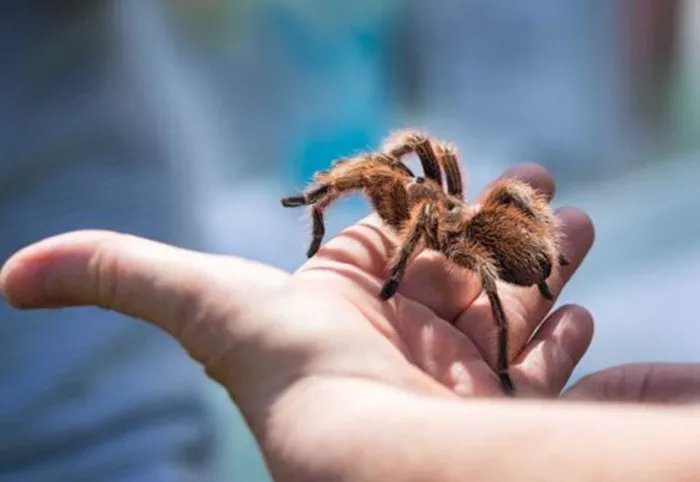
The Chilean rose tarantula, or Grammostola rosea, is one of the most popular pet tarantulas, especially for beginners. If you’re wondering how quickly these amazing creatures grow, you’re not alone! Whether you’re a curious beginner or a seasoned tarantula owner, understanding the growth rate of these spiders can help you take better care of them.
But let’s start with the burning question: How fast do Chilean rose tarantulas actually grow?
Well, the answer isn’t as simple as you might think. Their growth rate depends on a variety of factors, including their age, diet, environment, and overall health. In fact, growth rates can differ from one individual to another, but there are general patterns you can expect.
Why Should You Care About Growth Rates?
You might be wondering, “Why does it matter how fast my tarantula grows?” It’s important because the speed at which your tarantula matures influences how you care for it. For example, knowing when your Chilean rose tarantula is likely to molt (shed its exoskeleton) can help you anticipate its needs. Additionally, understanding their growth cycle can help you create a comfortable habitat, choose the right food, and avoid unnecessary stress for your tarantula.
If you’re keeping a Chilean rose tarantula as a pet, you may also want to know how long it’ll take to reach maturity or when you can expect your pet to stop growing. By the end of this article, you’ll have all these answers.
The Growth Cycle of Chilean Rose Tarantulas
Just like humans and other animals, Chilean rose tarantulas go through different life stages. Their growth is similar to the way a caterpillar grows into a butterfly, or how a child becomes an adult. The main difference? They don’t grow continuously, and they need to molt to grow at each stage.
1. Baby Tarantulas (Spiderlings)
When you first get a Chilean rose tarantula, it will most likely be a spiderling, which means it’s a juvenile spider. At this stage, the tarantula is small—about the size of a coin. Baby tarantulas grow relatively slowly, but they go through a number of molts during this time. After each molt, they grow a little bigger.
In the wild, spiderlings might grow a bit slower than in captivity. Why? Well, they have fewer resources, and survival is harder. But as pets, Chilean rose tarantulas usually grow faster because they are provided with a consistent food source and an ideal environment.
2. The Growth Rate: Slow and Steady
For a Chilean rose tarantula, growth is not an overnight miracle. They grow slowly but steadily. If you’re thinking of comparing this to the growth of other pets, think of it like a cat or dog—they take time to grow, but they reach maturity eventually.
On average, a Chilean rose tarantula will take about 2 to 3 years to reach full maturity, although the exact time frame depends on several factors.
The growth process can be split into stages:
First year: The tarantula might only grow a couple of centimeters.
Second year: You’ll see more significant growth.
Third year: It may have nearly reached its adult size, with a leg span of around 12 cm (about 5 inches).
See Also: What You Need to Know Before Buying a Chilean Rose Tarantula?
During this time, the tarantula will molt about 6 to 8 times before it reaches adulthood. This is important because the spider needs to shed its exoskeleton to get bigger. Every time a tarantula molts, it takes a bit of time to recover, during which it doesn’t eat or move much. After this period, it’s back to its active, hungry self!
Growth Factors: Temperature, Diet, and Humidity
Now, you might be wondering, “How can I speed up the growth process?” The truth is, you can’t rush it—but you can certainly support your tarantula’s growth by providing the best conditions. Think of it like growing a plant: with the right environment and care, it will flourish.
Temperature: Keep the temperature between 25°C to 30°C (77°F to 86°F). This is the sweet spot for growth. Too cold? Growth slows down. Too hot? It could stress your tarantula out.
Diet: A healthy diet is essential. Tarantulas love a good meal of crickets, mealworms, or other insects. Feeding them nutritious food helps them grow faster and stronger. Just make sure you’re not overfeeding—Chilean rose tarantulas are slow eaters, and feeding them too much can lead to health problems.
Humidity: These tarantulas come from dry desert climates, so they don’t need a lot of humidity. Keep the humidity around 50-60% to help them thrive without making their environment too damp.
How Long Does It Take for a Chilean Rose Tarantula to Reach Maturity?
Chilean rose tarantulas usually reach maturity at around 3 to 4 years. At this point, the tarantula will stop growing in size and start focusing on reproduction. You’ll see changes in the appearance of male and female tarantulas during this time. Males typically grow faster and mature earlier, but they have a shorter lifespan (around 5-7 years). Females, on the other hand, can live up to 20 years in some cases, continuing to grow and molt throughout their lives, but much slower than in their earlier years.
Male vs. Female Growth
Males: Males grow more quickly, reaching sexual maturity by the age of 2 or 3 years. However, their lifespan is shorter because they don’t have the energy to grow continuously like females do. Males often reach a smaller size than females.
Females: Female tarantulas grow more slowly, but they can live much longer—sometimes up to 20 years. They also get larger in size than males. The difference in growth rate between males and females is one of the reasons why females are often more prized by collectors.
Can You Accelerate Growth?
While you can’t magically make your Chilean rose tarantula grow faster, you can ensure it reaches its full potential by giving it the best care. Proper feeding, a suitable temperature, and minimal stress all play vital roles in helping your tarantula grow healthily. Just remember that this is a long-term commitment, so patience is key.
Conclusion
The growth rate of Chilean rose tarantulas can vary, but in general, they grow slowly and steadily over the course of several years. By providing optimal conditions, you can support their growth and health, helping them reach their full size and live a long, happy life. Remember, the growth of these spiders is like a slow, but fascinating, journey—watching them develop can be one of the most rewarding experiences for any tarantula enthusiast.
Related topics: