
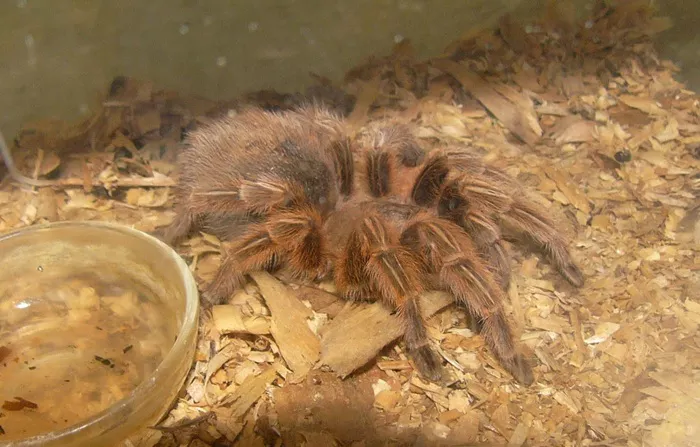
When you first get your Chilean Rose Tarantula (Grammostola rosea), one of the most pressing questions you’ll face is: Do they need heat? It’s easy to think of tarantulas as low-maintenance, but they’re surprisingly sensitive when it comes to their living conditions. Unlike dogs or cats, you can’t just leave a tarantula to thrive in any room of the house. The temperature of their environment plays a huge role in their health, activity, and overall well-being. So, let’s dive into whether your Chilean Rose Tarantula needs heat and how to provide it, without overwhelming you with complex jargon!
Is Heat Essential for Chilean Rose Tarantulas?
If you’ve ever been to a tropical rainforest, you know how warm and humid it can be. Well, Chilean Rose Tarantulas come from a dry desert region in South America, specifically northern Chile, Bolivia, and Argentina, where the temperatures can swing from cool at night to very hot during the day. But do they need heat to thrive in captivity?
Yes, they do need heat, but not a lot.
Think of your tarantula like a plant in a pot. Plants need sunlight to grow strong and healthy, but too much sun can burn them. Similarly, a Chilean Rose Tarantula needs a controlled environment to stay happy. Too cold, and they may become sluggish and stop eating. Too hot, and they might become stressed or even overheat. So, the goal is to find a sweet spot—just the right amount of warmth.
How Much Heat Do They Need?
Ideal Temperature Range for Chilean Rose Tarantulas
So, how warm is “just right”? In captivity, these spiders thrive at temperatures between 75°F to 85°F (24°C to 29°C). It’s like the ideal room temperature for humans: not too hot, not too cold. If you’ve ever been in a room with a heater in the winter, you know how nice it feels to have a consistent, comfortable temperature. The same goes for your tarantula.
At these temperatures, your tarantula will be active, healthy, and much more likely to thrive. If temperatures drop below 70°F (21°C), however, your tarantula may go into a state of dormancy or just become sluggish, making it harder to feed or care for them properly.
What Happens If It Gets Too Cold?
When it gets too cold, your Chilean Rose Tarantula becomes lethargic—think of it as a phone that’s almost out of battery. It still works, but it’s slower and not as responsive. If the temperature drops too low, they may not eat or move much, which isn’t ideal for a healthy spider. You might notice them spending more time in their burrow, and their webbing might also decrease.
See Also: How Fast Do Chilean Rose Tarantulas Grow? Slow or Fast
What Happens If It Gets Too Hot?
On the other hand, if the temperature rises above 90°F (32°C), your tarantula can become stressed or even risk overheating. Imagine trying to do anything in a sauna—your Chilean Rose Tarantula feels the same way. They’ll hide more often, and prolonged exposure to high temperatures can harm their health. Prolonged heat can even cause molting issues, and overheating can potentially kill them.
How to Provide Heat for Your Chilean Rose Tarantula
Providing heat for your Chilean Rose Tarantula isn’t as complicated as it sounds. There are simple ways to regulate their temperature without turning your home into a tropical jungle. Here are some methods to ensure your tarantula stays in the perfect temperature range:
1. Use a Heat Mat (Under-Tank Heater)
One of the most common ways to provide heat for your tarantula is using an under-tank heater or heat mat. These are small, thin pads that can be placed under the enclosure, directly heating the floor of the tank. It’s like a heated blanket for your spider. However, make sure you don’t use heat mats that get too hot, as overheating the enclosure is a big risk.
2. Use a Thermometer and Thermostat
Monitoring the temperature is essential! Get yourself a thermometer to place inside the tank, and if you’re using a heat mat, a thermostat can help you keep things in check. This way, you’re not guessing if it’s too hot or too cold.
3. Place Your Tarantula in a Warm Spot
If you live in a naturally warm climate, sometimes you won’t need to worry too much about artificial heat. If your home stays around 75-85°F (24-29°C), you can place the tarantula’s tank in a warm, stable area. Just avoid placing them in direct sunlight or near air conditioning, which can cause temperature swings.
4. Lighting—Do Chilean Rose Tarantulas Need Lights?
You might wonder if you need to provide special lighting for your Chilean Rose Tarantula. The answer is no, not really. These spiders are nocturnal, so they’re not dependent on light to regulate their activity. In fact, avoid placing them under bright lights because it can stress them out. Low light or natural daylight from the room is enough.
Signs Your Tarantula Needs a Temperature Adjustment
It’s not always easy to tell if your Chilean Rose Tarantula is unhappy with the temperature. But there are a few signs you can look out for:
Lethargy: If your tarantula is moving very slowly or spending too much time hiding, it could be too cold.
Decreased Eating: A sudden lack of appetite can indicate that they’re not comfortable. This could be due to either too much heat or too little.
Molting Issues: If your tarantula is struggling to molt or is acting oddly after molting, check the temperature—it could be too high or too low during this delicate time.
Do Chilean Rose Tarantulas Need Humidity?
Another important factor to consider when caring for your Chilean Rose Tarantula is humidity. While they don’t need as much moisture as tropical spiders, they still need some level of humidity to keep their skin healthy and prevent dehydration. Ideally, the humidity should stay between 40% to 60%.
You can maintain humidity by lightly misting the enclosure once a week. However, avoid soaking the substrate—too much moisture can lead to mold and fungus, which is not good for your tarantula.
Conclusion
To sum it all up, Chilean Rose Tarantulas do need heat, but not too much. Aim for a comfortable temperature range of 75°F to 85°F (24°C to 29°C), and avoid fluctuations. Heat mats and careful monitoring with thermometers are your best bet for keeping the environment just right. Make sure the humidity stays at a moderate level, and remember—don’t stress your tarantula with extreme temperatures!
Related topics: