
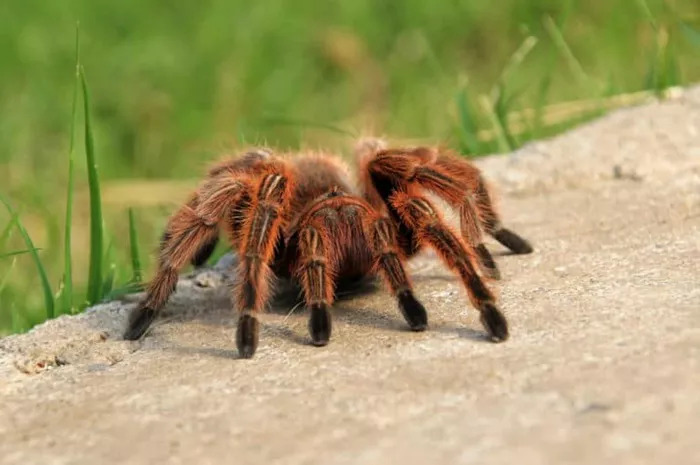
Have you ever wondered just how long your Chilean rose tarantula might live? If you’re planning to adopt one of these fascinating creatures as a pet or if you’re just curious about the lifespan of tarantulas, you’re in the right place. In this article, we’ll not only answer this burning question but also dive into the factors that affect their life expectancy, their care needs, and why understanding their lifespan is so important for both novice and experienced tarantula keepers.
The Fascinating World of the Chilean Rose Tarantula
The Chilean rose tarantula (Grammostola rosea) is one of the most popular pet tarantulas worldwide, especially among beginners. Its docile nature, stunning rose-colored hairs, and relatively easy care requirements make it a favorite among arachnid enthusiasts. However, when you bring one of these amazing creatures into your home, it’s important to understand just how long it might live, so you can prepare for the long-term commitment it requires.
But here’s the big question: how long do Chilean rose tarantulas live?
Lifespan of Chilean Rose Tarantulas
Chilean rose tarantulas are known for their impressive longevity, especially compared to many other arachnids. In general, a female Chilean rose tarantula can live anywhere from 15 to 20 years under optimal care. That’s right—15 to 20 years! This is a significant amount of time, especially when you consider that most small pets like hamsters or guinea pigs live only a few years. Females, in particular, enjoy much longer lives than their male counterparts.
On the other hand, males tend to live a lot shorter lives. They typically reach around 5 to 7 years, but they can live longer in certain circumstances, particularly if they are well-cared for and aren’t overly stressed. So, if you’re hoping to enjoy the company of your tarantula for many years, it’s important to understand that the female will be your best bet for longevity.
Why Such a Big Difference Between Males and Females?
You might be thinking, “Wait, why do the females live so much longer than the males?” Great question! Here’s the deal: Reproductive biology plays a key role. Male tarantulas mature faster and are driven by one primary goal—to find a mate. After fulfilling their reproductive duties, males often die shortly after mating. Their bodies are biologically programmed for this faster life cycle.
Females, on the other hand, have a slower, more energy-efficient life cycle. They invest much of their time in building and maintaining burrows, molting, and keeping themselves safe from predators. This slower pace of life allows them to live longer, much like how some animals, like certain species of tortoises, live long lives due to a slow metabolic rate.
Factors That Affect the Lifespan of a Chilean Rose Tarantula
While the typical lifespan of these spiders is well-documented, there are many factors that can either shorten or extend their time with you. Just like people, each tarantula is unique, and the right conditions can make a huge difference.
Environmental Conditions
In the wild, Chilean rose tarantulas inhabit the dry, arid regions of northern Chile. They prefer temperatures between 25°C to 30°C (77°F to 86°F) with moderate humidity. If you live in a place with high humidity, like the tropics, you’ll need to control the humidity levels in the tank, as too much moisture can lead to health problems like mold and mites.
Keeping your tarantula’s habitat close to its natural environment is crucial. This is one of the simplest but most effective ways to ensure a long and healthy life for your pet. A proper enclosure with adequate ventilation, suitable substrate (such as coconut fiber or peat moss), and a well-maintained temperature will allow your Chilean rose tarantula to thrive.
Diet and Nutrition
Just like any pet, the diet you provide for your Chilean rose tarantula plays a major role in its lifespan. Tarantulas are carnivores and primarily hunt insects, including crickets, locusts, beetles, and even small rodents and lizards in the wild. As a pet, you can feed them crickets, mealworms, and superworms—be sure to gut-load these prey with nutritious food before offering them to your tarantula.
It’s also important to note that Chilean rose tarantulas have a slow metabolism. As such, they can go for weeks or even months without food, especially during molting. It’s key to avoid overfeeding, as this can cause health problems like obesity or stress.
See Also: A Beginner’s Guide to Rose Hair Tarantulas
Molting Cycles
Molting is the process by which a tarantula sheds its exoskeleton to grow. Chilean rose tarantulas molt several times throughout their lives, with younger spiders molting more frequently (about 1-2 times a year). Molting is a critical period for the tarantula, and it can be a stressful process. The time it takes for a tarantula to molt can affect how long it lives, as a stressful molt can lead to complications.
A healthy environment with no disturbances will help your tarantula during these periods of growth. If the tarantula feels threatened or stressed during a molt, it may die due to the stress involved.
Health and Care
Chilean rose tarantulas are generally hardy creatures, but they’re not immune to diseases. Dehydration, mites, and fungus are common problems, especially if the tank isn’t kept clean or the environment is too humid. Regularly inspecting your tarantula and its habitat for signs of illness can prevent these issues from shortening its lifespan.
How Can You Maximize the Lifespan of Your Chilean Rose Tarantula?
Now that you know about the factors that influence the lifespan of these stunning creatures, let’s talk about what you can do to give your tarantula the best life possible.
Provide a Proper Habitat
As we discussed, a well-maintained enclosure with proper temperature, humidity, and substrate will make a huge difference in your tarantula’s health and lifespan. A tank of at least 10 gallons is ideal for a single tarantula. Remember to include a hiding spot or burrow for your tarantula, as they are naturally burrowers.
Feed Correctly
Feed your tarantula a varied diet of live insects. Be sure to offer appropriately sized prey, as food that’s too large can cause stress or even injury. Also, keep a close eye on the feeding schedule to avoid overfeeding or underfeeding.
Respect Their Space
Tarantulas, especially Chilean rose tarantulas, are solitary creatures. They don’t like to be disturbed often, so avoid handling them too much. Too much handling or stress can reduce their life expectancy, just like how a stressed-out pet can have health problems. Keep your tarantula’s space quiet and calm, and respect their need for solitude.
Monitor Their Health
Make sure you regularly check for signs of dehydration, injury, or illness. Dehydration can be fatal for a tarantula, so ensure there is always clean water available. It’s also important to clean their enclosure regularly to prevent the build-up of waste, which can lead to bacterial infections.
Conclusion
In summary, Chilean rose tarantulas can live anywhere from 5 to 20 years depending on their sex, environment, and how well they are cared for. With the right conditions, females can reach a lifespan of 15 to 20 years, while males typically live 5 to 7 years. By paying attention to their needs—providing a proper habitat, feeding a balanced diet, and respecting their natural behaviors—you can help your tarantula live a long, healthy, and happy life.
Whether you’re a seasoned arachnid enthusiast or a beginner, understanding your pet’s lifespan and how to maximize it is crucial for keeping them as a companion for many years to come.
Related topics: