
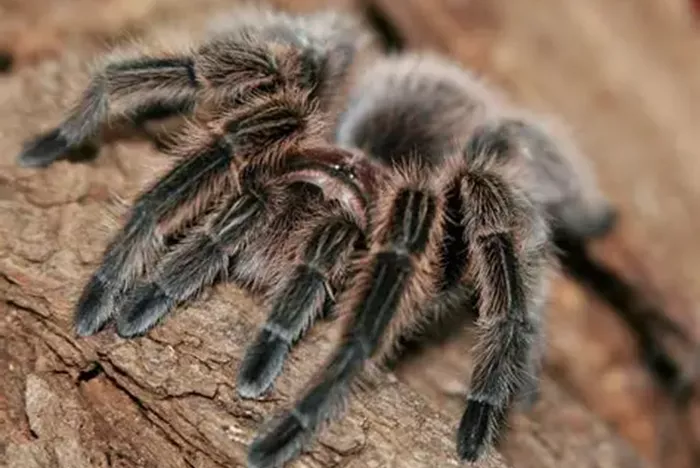
When you think of spiders, what’s the first thing that comes to mind? For many, it’s the creepy, unsettling image of fangs and venom. But there’s more to these fascinating creatures than meets the eye, especially when it comes to defense. One of the most iconic spiders in the pet world is the Chilean rose tarantula (Grammostola rosea), a creature with an intriguing and multifaceted defense system that helps it thrive despite its size and vulnerability. This article will delve into the defensive strategies of the Chilean rose tarantula, explaining how it keeps itself safe in the wild, how these behaviors manifest in captivity, and what makes this species so special.
A Closer Look at the Chilean Rose Tarantula
Before we dive into its defense strategies, let’s get familiar with the Chilean rose tarantula. You might have seen them in pet stores or even as exotic pets. These spiders are not only visually stunning, with their rosy, pinkish hairs on their bodies, but they are also fascinating in terms of behavior.
Native to the dry, arid lands of Chile, Bolivia, and parts of Argentina, the Chilean rose tarantula is found in high-desert habitats, where it digs burrows in the ground to protect itself from the harsh environmental conditions. It’s important to know that these creatures are not aggressive by nature, which makes them an excellent choice for tarantula enthusiasts, but don’t let that fool you – they have some cool ways of protecting themselves when needed.
1. The Role of Urticating Hairs: A Defense Like No Other
One of the most famous features of the Chilean rose tarantula is its urticating hairs. These are tiny, sharp hairs that are found on the tarantula’s abdomen. When the tarantula feels threatened, it can kick these hairs off its body with its back legs. Imagine it like a dog shedding its fur to defend itself from an attack – except, these hairs are much more aggressive.
What Do Urticating Hairs Do?
When the Chilean rose tarantula is in danger, it uses these tiny hairs as its first line of defense. The hairs can fly through the air and land on a predator’s skin or in its eyes. Once they make contact, they cause intense irritation, itching, and even pain, especially if they come into contact with soft tissue, such as the eyes. The hairs act like nature’s pepper spray, disorienting and discouraging any would-be predator from continuing its attack.
Real-life Example: One tarantula enthusiast shared how, while cleaning the enclosure of their Chilean rose tarantula, they inadvertently provoked the spider. Before they knew it, the spider kicked up a cloud of urticating hairs that caused intense irritation on their skin. They learned firsthand just how effective this defense mechanism can be!
2. Venom: A Last Resort in Self-Defense
Though the Chilean rose tarantula is not deadly to humans, it still packs a powerful punch with its venom. When a predator or threat persists after the urticating hairs, the spider can resort to venom as a more severe defense mechanism.
How Does the Venom Work?
The venom of the Chilean rose tarantula contains both neurotoxins and hemotoxins. Neurotoxins affect the nervous system, while hemotoxins target the circulatory system. When the spider bites a threat, these toxins cause a temporary paralysis and disruption of normal body functions, ensuring the tarantula’s prey cannot escape. However, for humans, the venom typically results in pain and swelling rather than life-threatening reactions.
While the bite may cause a bit of discomfort and swelling, it’s not something to be afraid of unless you’re allergic. Think of it like a bee sting – painful but not dangerous unless you have an allergy. For tarantula owners, though, it’s usually the urticating hairs that are more concerning than the venom.
Fun Fact: While the venom is potent, it’s not often used by the Chilean rose tarantula in defense. These spiders would rather retreat or scare off a predator with their hairs than engage in a bite unless they have no other option.
3. The Secret of Their Burrows: Protection in Plain Sight
One of the smartest ways the Chilean rose tarantula stays safe is by digging deep burrows. These burrows are typically located under rocks or within shrubs and provide the tarantula with a safe refuge. It’s here that they can wait out potential threats or adverse weather conditions. The burrows offer protection from predators, and the silk lining the burrow helps retain humidity and keeps the tarantula at a stable temperature.
See Also: How Often Do Chilean Rose Tarantulas Molt?
Why Are Burrows So Important?
The burrow acts like a safe house for the Chilean rose tarantula. By staying hidden deep underground, it minimizes its risk of being noticed by predators. When the spider needs food or a mate, it can emerge from its burrow briefly but always has the option to retreat back to safety.
If you’ve ever had a pet hamster, you might recall how they loved digging and hiding in their bedding to feel safe. It’s the same concept with these tarantulas, only their homes are much deeper and made to withstand the harsh conditions of their natural habitat.
4. Displaying Defensive Postures: When They Feel Cornered
You’ve probably seen videos where tarantulas raise their legs in a defensive posture. The Chilean rose tarantula is no exception. If it feels trapped or cornered, it can rear up on its hind legs and display its fangs, essentially saying, “Back off!”
Why Do They Raise Their Legs?
This posture is meant to make the spider look larger and more intimidating. It’s similar to how a cat puffs up its fur to make itself appear bigger when it’s feeling threatened. By standing tall and showing its fangs, the Chilean rose tarantula hopes to scare off any predator before it has to resort to using its venom or urticating hairs.
5. The Chilean Rose Tarantula’s Behavior in Captivity: Less Defensive, But Still Cautious
When kept as pets, the Chilean rose tarantula often shows little aggression. These spiders are relatively docile and often prefer to run away from danger rather than fight. However, they are still sensitive to their environment, and if they feel threatened or stressed, they may use their defense mechanisms.
How to Keep Your Tarantula Safe?
As a pet owner, it’s crucial to respect your tarantula’s space. If you handle it too much or inappropriately, the spider might feel cornered and resort to using its defense mechanisms. Providing your tarantula with a spacious, well-maintained enclosure that mimics its natural habitat (burrows, hiding spots) helps it feel safe and reduces its need to defend itself.
Tip for New Tarantula Owners: When handling your Chilean rose tarantula, remember to be gentle and allow it to crawl onto your hand on its own. Avoid sudden movements, and never force the tarantula to interact if it’s not in the mood.
Conclusion
The Chilean rose tarantula is a true survivor in its natural habitat. Its defense mechanisms, from urticating hairs to venom and defensive postures, are fascinating strategies that help it thrive despite its relatively gentle nature. Understanding these behaviors not only helps us appreciate the tarantula more but also guides pet owners in creating a safer environment for these incredible creatures.
So, the next time you see a Chilean rose tarantula in a pet store or in the wild, remember that its defense strategies are not just about fighting—they’re about surviving in the harsh world it calls home.
Related topics: