
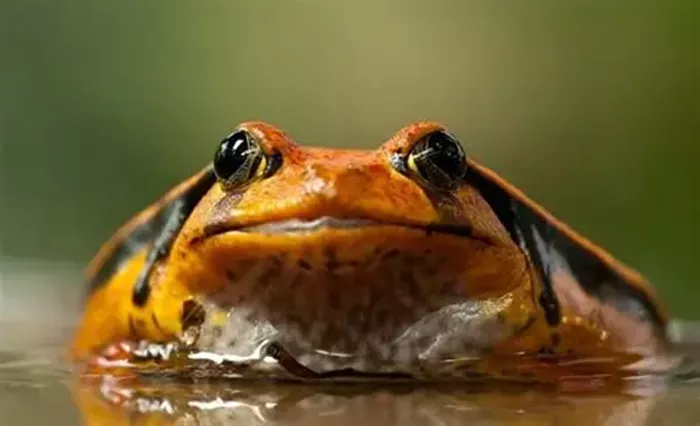
Cleaning a tomato frog tank might seem like a simple chore, but if you’re a beginner or new to frog care, it can feel a little intimidating. Imagine cleaning a fish tank, but for an amphibian. Instead of dealing with water, you’re maintaining a moist, terrestrial habitat that mimics a rainforest. With a bit of know-how, cleaning your tomato frog’s tank becomes a routine task that will keep your frog healthy and happy.
In this guide, we’ll dive deep into everything you need to know about cleaning your tomato frog tank. We’ll break it down step-by-step, so even if you’re new to reptile or amphibian care, you’ll feel like a pro in no time!
Why Keeping Your Tomato Frog’s Tank Clean Is So Important
Before we jump into the cleaning process, it’s crucial to understand why this task is so vital for your frog’s health. A dirty tank can lead to various health issues, from skin infections to digestive problems, and even death in extreme cases. Tomato frogs, like many amphibians, are highly sensitive to their environment. They absorb substances through their skin, so a dirty or contaminated tank can harm them. Think of it like this: you wouldn’t want to live in a place that smells bad and has bacteria everywhere, right? Neither would your tomato frog!
The Essential Tools You Need for Cleaning
To clean your tomato frog’s tank properly, you’ll need a few essential tools. Don’t worry! These items are easy to get, and you probably already have most of them at home.
A gentle sponge or cloth: This is your go-to for scrubbing the tank. Avoid using sponges with soap or chemicals as frogs are very sensitive to those.
A bucket or container for cleaning: You’ll use this to hold water when you’re cleaning. It’s better to not clean directly in the tank to avoid accidentally contaminating it.
A water conditioner or dechlorinator: Frogs are picky about water quality. Tap water often has chlorine, which is harmful to them.
A thermometer and humidity gauge: These help you keep track of your frog’s ideal temperature and humidity, which should be between 65°F to 85°F and around 65-80% humidity.
A small brush or toothbrush: For cleaning small crevices or hard-to-reach areas in the tank.
A pair of gloves: This is optional, but gloves will help protect both you and your frog from any harmful substances that might be on your hands.
Step-by-Step Guide to Cleaning Your Tomato Frog’s Tank
Now that we’ve gathered the right tools, let’s walk through the steps to clean the tank. Think of it as spring cleaning for your frog’s home!
Step 1: Remove Your Tomato Frog
The first thing you need to do is gently remove your tomato frog from the tank. You don’t want them to be around during cleaning because the water and tank surface might be harmful while you’re scrubbing. Use your hands or a small container to move your frog to a safe, temporary holding space. Make sure this space is warm and moist, so your frog stays comfortable.
Step 2: Empty the Tank
Remove any leftover food, decorations, and substrate (the material that lines the bottom of the tank). It’s important to get rid of any waste or uneaten food because it can contaminate the tank and cause bacteria build-up. If your frog has dug tunnels in the substrate, gently scoop that out as well. Remember, your tomato frog loves to dig, so don’t worry about disturbing the structure too much—just make sure everything is clean.
Step 3: Clean the Decorations
Take out any decorations or hiding spots, like rocks, logs, or fake plants. These can trap waste, so scrub them with warm water and a soft sponge. Avoid any harsh chemicals—your frog doesn’t want to be surrounded by those. If there’s tough algae or grime, a small toothbrush can help get into the cracks. For fake plants, rinse them well, making sure there are no soap residues left behind.
Step 4: Scrub the Tank
Now it’s time to scrub the tank itself. Use a sponge or cloth dampened with warm water to wipe down all surfaces. Pay special attention to corners and crevices where waste or mold might accumulate. If you’re dealing with tough stains, you can use a small amount of reptile-safe cleaner. However, be careful to rinse everything well before putting it back.
See Also: Why Are Tomato Frogs Called Tomato Frogs? Funny truth
Step 5: Replace the Substrate
Your tomato frog’s tank needs a fresh substrate to feel comfortable. Choose a loose, natural material like coconut fiber or sphagnum moss. Tomato frogs like to dig, so make sure the substrate is deep enough (around 2 inches). When adding new substrate, gently spread it around the tank, ensuring it’s level and not too packed down. If your tank had live plants, make sure the substrate can support them.
Step 6: Clean and Refill the Water Dish
Even though tomato frogs don’t spend much time in water, they still need a shallow water dish for soaking. Clean the water dish with warm water (no soap!) and refill it with dechlorinated water. Make sure the water is the right temperature and not too deep—your frog likes to soak, but it’s not an expert swimmer.
Maintaining a Clean Environment: Tips for Ongoing Care
Keeping the tank clean is an ongoing process. Here are some tips for keeping the environment in check between deep cleans:
Spot clean daily: Every day, remove any visible waste, uneaten food, or dead plant matter. This helps prevent the build-up of harmful bacteria.
Change the water: It’s a good idea to change the water in the dish every 2-3 days. Fresh water will help maintain your frog’s health.
Monitor humidity and temperature: Ensure the humidity stays between 65-80%, and the temperature stays between 65°F to 85°F. Use your thermometer and humidity gauge regularly to keep things on track.
Common Mistakes to Avoid When Cleaning Your Tomato Frog Tank
Now, let’s talk about a few common mistakes to avoid, so your cleaning process goes smoothly:
Using soap: Never use soap or chemical cleaners in your frog’s tank. It’s toxic for amphibians and can cause severe harm.
Overcleaning: While cleanliness is important, over-cleaning can strip beneficial bacteria that help keep the tank healthy. Avoid frequent deep cleans unless necessary.
Neglecting humidity: Tomato frogs need high humidity. If you let the tank dry out too much, your frog could become stressed, leading to health problems.
Conclusion
Cleaning your tomato frog’s tank is a necessary task that ensures your amphibian stays healthy and happy. By following the steps in this guide and maintaining a clean environment, you can provide a comfortable home for your tomato frog to thrive in.
Remember, cleaning the tank is not just about keeping it visually tidy—it’s about making sure the environment is safe, healthy, and stress-free for your pet. So, don’t skip on cleaning, and your tomato frog will thank you with good health and plenty of hopping around!
Related topics: