
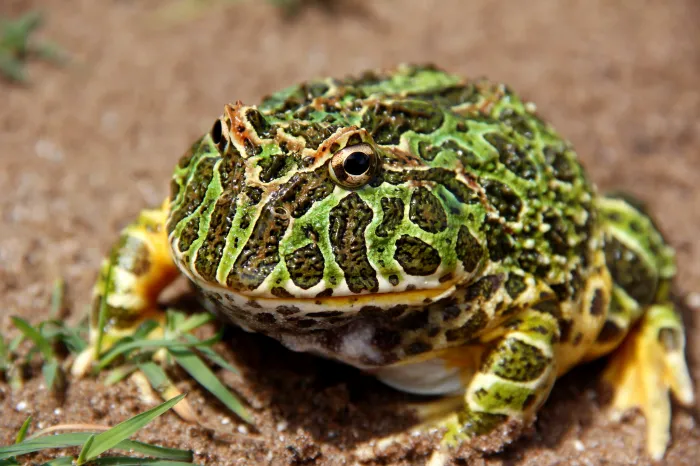
Argentine horned frogs are captivating creatures known for their distinctive appearance and unique behavior. But how many of these frogs are there? Understanding their population requires looking at both their natural environment and their presence in captivity.
Natural Habitat and Distribution
These frogs primarily inhabit regions in South America, especially in Argentina. They thrive in humid environments such as marshes, ponds, and slow-moving streams. Their numbers in the wild fluctuate due to environmental factors like habitat loss and climate changes.
Population Estimates in the Wild
Estimating the exact number of Argentine horned frogs living in the wild is challenging. Scientists rely on field surveys and ecological studies to gauge their populations. Although no precise global count exists, it is known that habitat destruction has caused some declines. Conservation efforts aim to monitor and protect these habitats to maintain stable frog populations.
Presence in Captivity
Argentine horned frogs are popular among reptile and amphibian enthusiasts worldwide. Many are bred in captivity, which helps reduce pressure on wild populations. Captive breeding programs also contribute to research and education about these frogs, promoting awareness of their ecological importance.
Factors Affecting Their Numbers
Several factors influence how many Argentine horned frogs exist today. Habitat destruction from agriculture and urban development reduces their living space. Pollution and changes in water quality also impact their survival rates. Additionally, climate change poses a long-term threat by altering the ecosystems they depend on.
Conservation Status
Currently, Argentine horned frogs are not listed as endangered, but their habitats face ongoing threats. Protecting wetlands and natural areas is crucial for sustaining their populations. Efforts from conservation groups focus on habitat preservation, research, and responsible pet trade management.
Conclusion
While it is difficult to state an exact number of Argentine horned frogs worldwide, understanding the factors that affect their population helps us appreciate their role in nature. Protecting their habitats and supporting captive breeding are key steps to ensure these fascinating amphibians continue to thrive.
FAQs
Q: Why is it hard to count Argentine horned frogs in the wild?
A: These frogs live in dense, wet habitats that are difficult to survey accurately. Their camouflaged appearance also makes spotting them challenging.
Q: Do captive breeding programs help wild populations?
A: Yes, captive breeding reduces demand for wild-caught frogs and provides opportunities for research that can benefit conservation.
Q: What threats do Argentine horned frogs face?
A: Major threats include habitat loss due to human activities, pollution, and climate change affecting their environment.
Q: Can I keep an Argentine horned frog as a pet?
A: Yes, they are kept as pets by many enthusiasts, but it’s important to source them responsibly from breeders rather than capturing them from the wild.