
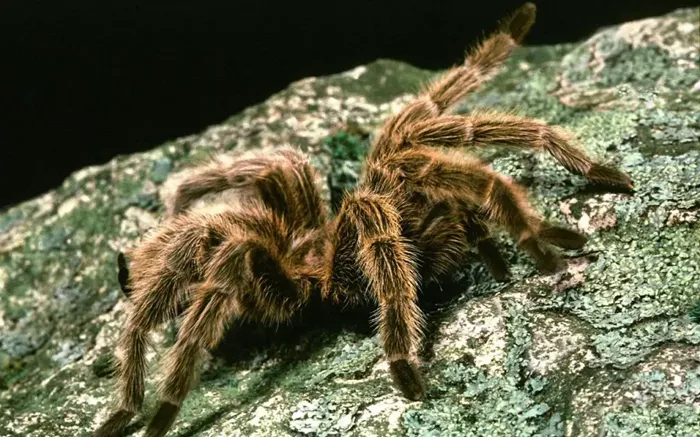
The Chilean rose tarantula, also known as Grammostola rosea, is one of the most popular species of tarantulas kept as pets. With their soft, pinkish appearance and docile nature, they are often the first choice for many tarantula enthusiasts. However, while these spiders may seem harmless, their venom is a critical part of their biology and behavior. So, how venomous are Chilean rose tarantulas? Are they as dangerous as some other spiders? Let’s explore the facts to uncover the truth behind their venom.
Understanding the Venom of the Chilean Rose Tarantula
Before diving into the specifics, let’s break down what we mean by “venom.” When people think of venomous creatures, they often picture dangerous snakes or spiders, but venom is actually a biological tool that many animals use for hunting, defense, or both.
In the case of tarantulas, venom helps them subdue prey and begin the process of digestion. It is injected into the prey’s body through the spider’s fangs. But here’s where it gets interesting: the venom of the Chilean rose tarantula is relatively mild compared to that of other species, like the Brazilian wandering spider or the black widow.
So, what does this mean for you? Simply put, the venom of a Chilean rose tarantula is not typically dangerous to humans. But, like any creature that possesses venom, there are important details to understand about how it affects the body, why it’s used, and the risks it presents.
What’s in Their Venom?
Tarantula venom contains a mixture of compounds, including neurotoxins and hemotoxins. These work together to immobilize prey, making it easier for the spider to consume its meal. The neurotoxins disrupt the nervous system of the prey, while the hemotoxins affect the circulatory system, causing the prey’s body to break down so the tarantula can digest it.
However, don’t be scared off just yet. The venom of a Chilean rose tarantula is relatively weak and is used primarily for hunting small insects and occasionally small vertebrates, like lizards. For humans, a bite may cause mild pain or swelling, but nothing more serious than a bee sting.
So, is it safe to handle them? Yes, but with caution. Let’s explore their defense mechanisms and the risks involved.
What Happens When You Get Bitten?
If you’ve ever seen a Chilean rose tarantula act defensively, you’ve likely noticed it raise its front legs and display its fangs. However, bites from these spiders are rare. They are more likely to flee when threatened than to bite. But if a bite does occur, here’s what you can expect.
When you are bitten by a Chilean rose tarantula, the venom enters your skin through the fangs. In most cases, this results in a mild reaction, similar to a bee sting. You may experience:
Pain or discomfort: It’s generally localized and can last from a few minutes to a few hours.
Swelling and redness: Just like an insect bite, the area may become swollen or irritated.
Itching: The bite may itch, but it usually doesn’t lead to anything more serious.
In rare cases, some individuals may have allergic reactions, which could lead to more severe symptoms like difficulty breathing, dizziness, or anaphylaxis. These cases are extremely uncommon, and if you’re not allergic to bee stings or other insect bites, a Chilean rose tarantula bite is unlikely to cause significant harm.
But wait—this doesn’t mean you should handle these spiders recklessly. The fact that they are generally docile and non-aggressive doesn’t mean they won’t bite if they feel threatened. Always exercise caution when interacting with them.
How Do They Defend Themselves?
Tarantulas are often viewed as calm and slow-moving, but they have an impressive set of defense mechanisms that they use when necessary. Besides their venom, Chilean rose tarantulas also possess urticating hairs, which are tiny, barbed hairs on their abdomen. When threatened, the spider will use its back legs to flick these hairs into the air.
Imagine this like throwing a handful of tiny needles at your opponent. These hairs can irritate the skin and eyes of any potential threat, including predators and even humans. In fact, some pet owners have experienced these hairs getting lodged in their skin or eyes, leading to irritation and discomfort.
If you get hit with these hairs, you might experience:
Itching and redness: They cause mild irritation on contact, especially if they land on your skin or in your eyes.
Eye irritation: The hairs can cause stinging or watering of the eyes if they come in contact with them, making it important to wear protective eyewear when handling your tarantula.
These hairs are a highly effective defense mechanism, and in the wild, they help the Chilean rose tarantula avoid predators. But when kept as pets, they are less of a concern if handled with care.
See Also: What Are the Key Defense Strategies of the Chilean Rose Tarantula?
Are Chilean Rose Tarantulas Dangerous to Humans?
When we look at the bigger picture, it’s clear that Chilean rose tarantulas are not dangerous to humans. In fact, they are among the least venomous tarantulas kept in the pet trade. While their venom is capable of subduing prey, it’s mild enough that a bite rarely causes more than temporary discomfort.
So, can you keep them as pets without worrying about getting bitten? Absolutely! Just be sure to follow some basic safety practices when handling them. If you’re nervous about a potential bite or irritation, it’s best to avoid direct contact with the spider and focus on observing it from a distance.
Should You Worry About Venomous Spiders as Pets?
The world of venomous spiders can be intimidating, but it’s important to remember that most pet spiders, including the Chilean rose tarantula, pose very little risk to humans when handled properly. They are fascinating creatures with unique behaviors and natural defenses, but they aren’t the dangerous predators that some people assume.
For anyone considering getting a Chilean rose tarantula as a pet, rest assured that they are one of the best choices for beginners in the tarantula world. They are relatively easy to care for, have a calm temperament, and their venom is harmless to humans.
The Importance of Respecting the Tarantula’s Nature
While these spiders are safe to handle, they do not like being disturbed. Respecting their natural behavior and giving them a comfortable environment is key to keeping them healthy and happy. A Chilean rose tarantula’s temperament is typically calm, but they can become defensive if they feel threatened or stressed.
Here are some tips for keeping your Chilean rose tarantula happy and safe:
Provide a proper terrarium: Ensure your tarantula has a spacious tank with hiding places, a proper substrate for burrowing, and appropriate temperature and humidity.
Limit handling: Handle your spider only when necessary and avoid doing so when it is molting.
Wear protective gloves or eyewear: If you need to handle your tarantula, consider wearing gloves or glasses to protect yourself from possible bites or urticating hairs.
Conclusion
To summarize, the venom of the Chilean rose tarantula is not something to fear. While they are venomous, their venom is relatively mild, and the chances of serious harm from a bite are extremely low. For most people, handling these spiders with care and respect is completely safe.
These spiders are not only fascinating but also gentle creatures, making them great pets for those looking to explore the world of tarantulas. Their venom, while useful in hunting, is not a significant danger to humans and should not be the focus of your concerns when considering adopting one.
Related topics: