
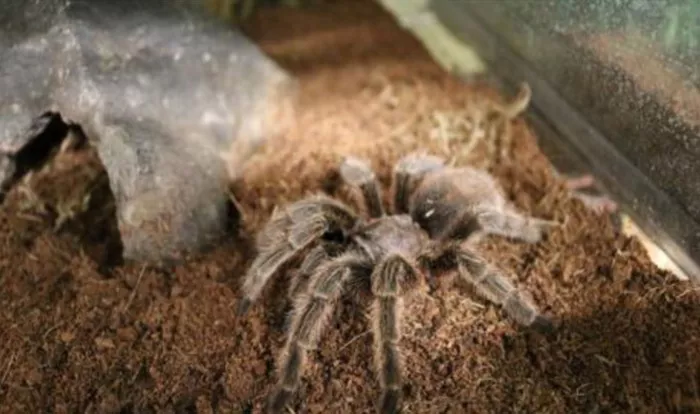
When you first bring home your Chilean Rose Tarantula, you might be surprised at how much attention these beautiful creatures need. Their stunning rose-colored hair and docile nature make them fantastic pets, but their habitat needs to be just right for them to thrive. One of the most crucial factors for their well-being is humidity. But how do you know what the right level is for a species that calls the dry deserts of Chile home?
In this article, we’ll dive into the specifics of maintaining the perfect humidity level for your Chilean Rose Tarantula, and how this factor affects its overall health. Let’s get started!
Understanding the Natural Habitat of the Chilean Rose Tarantula
To better understand the humidity needs of the Chilean Rose Tarantula (Grammostola rosea), we should first take a look at where they come from. These tarantulas are native to the deserts and scrublands of northern Chile, where conditions can be harsh and dry. In fact, they live in some of the driest regions of the world—areas that experience very little rainfall and extreme temperature fluctuations.
Imagine the Chilean Rose Tarantula as a desert explorer, perfectly adapted to survive in an environment with low moisture. However, just because it comes from a dry place doesn’t mean it thrives in an ultra-dry, desert-like tank! A proper humidity level is still essential to its health, but understanding the right balance is key.
What is the Ideal Humidity Level for a Chilean Rose Tarantula?
Chilean Rose Tarantulas need a relatively low level of humidity compared to other tropical tarantulas. The ideal humidity range for these spiders is between 40% and 60%. This may sound a little surprising, especially since many pet tarantulas require much higher humidity. But the Chilean Rose Tarantula thrives in drier conditions, reflecting its natural habitat in the wild.
Think of it like this: imagine you’re in a desert where the air feels dry, but not bone-dry. That’s how the Chilean Rose Tarantula likes it—just enough moisture to keep its body functions running smoothly, but not so much that it feels like it’s living in a swamp.
Why Is Humidity Important for Your Chilean Rose Tarantula?
Maintaining the right humidity is essential for several reasons. Let’s break down why humidity matters to your tarantula’s health:
Moulting Process: Like all tarantulas, the Chilean Rose Tarantula sheds its exoskeleton as it grows. This process, called ecdysis, is easier when the air is humid enough. Low humidity can cause the tarantula’s skin to harden prematurely, making it difficult for the spider to shed properly.
Prevents Dehydration: These tarantulas need a certain level of moisture to stay hydrated. If the air in their enclosure is too dry, they might become dehydrated, which can lead to a number of health issues, like lethargy, slow movements, or even death.
Comfort and Stress Levels: Just like us, spiders prefer to live in an environment where they don’t feel stressed. Too much humidity can create a stuffy, uncomfortable atmosphere, while too little can lead to dryness that irritates their body. Keeping the humidity at the right level ensures they’re comfortable, reducing stress and allowing them to lead a healthier life.
How to Measure and Maintain Humidity for Your Chilean Rose Tarantula
Now that you understand why humidity matters, let’s talk about how to keep it at the right level.
Using a Hygrometer
The easiest way to measure humidity in your tarantula’s enclosure is by using a hygrometer—a simple tool that measures the moisture content in the air. These are affordable and can be found at most pet stores. Make sure to place the hygrometer in the center of the enclosure to get an accurate reading.
Adjusting Humidity
To adjust the humidity in your tarantula’s habitat, you can do the following:
Increase Humidity: If the humidity drops below 40%, you can add moisture to the tank by lightly spraying the substrate (the material covering the bottom of the tank) with water. Make sure not to overdo it—humidity should not rise above 60%. A humidifier can also help, but it’s important to maintain the proper balance.
Decrease Humidity: If you notice the humidity level creeping above 60%, make sure to provide proper ventilation in the enclosure. You can also remove any excess water dishes or wet substrate to bring the humidity back down to the optimal range.
The Substrate and Its Role
The substrate you choose for your Chilean Rose Tarantula also plays a role in regulating humidity. A good option is a coarse, sandy substrate, which mimics the tarantula’s natural desert environment. If you want to increase humidity slightly, you can use coconut fiber or peat moss, but be careful not to over-moisturize the substrate.
What Happens If Humidity Is Too High or Too Low?
Too much or too little humidity can cause problems for your tarantula. Here’s what can happen if you don’t get it just right:
Too High: If the humidity level is too high (over 60%), your tarantula might develop fungus or mold in its habitat. This is because the excess moisture can create a perfect breeding ground for harmful bacteria and fungi, which can make your tarantula sick.
Too Low: On the other hand, if the humidity is too low (under 40%), your tarantula could become dehydrated, and its exoskeleton might become too tough to shed. This can lead to complications during moulting, resulting in injury or death if the exoskeleton doesn’t shed properly.
Fun Fact: Can You Tell If Your Chilean Rose Tarantula Is Dehydrated?
Interestingly, if your tarantula becomes dehydrated, you might notice it drinking more water from its dish or webbing itself up more than usual. It may also become lethargic, moving slower than usual or hiding more often than before. If you notice these signs, check your humidity levels and adjust accordingly!
Humidity and Stress: What Should You Know?
One thing you should keep in mind is that your Chilean Rose Tarantula’s behavior can be affected by stress. When the humidity is off, your tarantula may become more defensive or reclusive. In extreme cases, it could even stop eating or become less active. So, keeping the humidity at the right level can help ensure your tarantula remains calm and healthy.
Conclusion
The key to maintaining the ideal humidity for your Chilean Rose Tarantula is consistency. It’s not just about getting the numbers right once—it’s about ensuring the environment stays stable. Regularly check the humidity, and make adjustments as needed. This attention to detail will keep your tarantula happy and thriving in its habitat.
Related topics: