
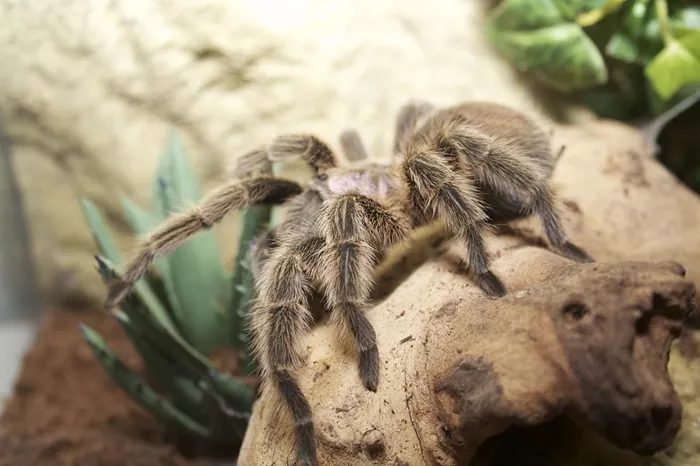
When it comes to creating the perfect home for your Chilean rose tarantula (Grammostola rosea), choosing the right substrate is one of the most important decisions you’ll make. The substrate not only mimics their natural environment but also affects their health, behavior, and overall well-being. So, what is the best substrate for Chilean rose tarantulas? Let’s dig into this essential topic and explore the ideal options for your eight-legged friend.
Why Substrate Matters for Your Tarantula
Before diving into the types of substrate, let’s first understand why it’s so crucial for your Chilean rose tarantula. Imagine the substrate as the “ground” that your tarantula interacts with daily. It’s like the floor in your home—it affects comfort, safety, and even hygiene.
For Chilean rose tarantulas, the right substrate mimics the conditions of their natural habitat, which is often dry, sandy, and a bit arid. However, it also needs to allow for burrowing and proper humidity control, which is important for the spider’s overall health. If you get it right, your tarantula will thrive; if you get it wrong, you could face problems like mold growth, discomfort, or even health issues for your pet.
What Should You Look for in a Substrate?
When you’re choosing the right substrate for your tarantula, you need to keep a few things in mind:
Absorbency: The substrate should absorb moisture effectively to help maintain humidity levels.
Comfort: It should be soft enough for burrowing yet sturdy enough to support the spider’s weight.
Non-toxic: It must be safe and free from chemicals or additives that could harm your pet.
Ease of maintenance: The substrate should be easy to clean and replace when necessary.
Think of it as picking the perfect mattress for your bed—you want it to feel just right, be comfortable, and help you get a good night’s rest. For your tarantula, a poor substrate can lead to stress, so take your time choosing the best one.
Best Substrates for Chilean Rose Tarantulas
Now, let’s look at some of the best substrate options for your Chilean rose tarantula. Each has its own set of advantages, so the choice depends on your personal preferences and what you believe is most suitable for your pet.
1. Coconut Fiber (Coir): The Top Pick for Most Owners
Coconut fiber, also known as coir, is one of the most popular choices among tarantula owners. This material is made from the husk of coconuts, which is shredded and processed into a soft, absorbent bedding.
Why is it great?
Highly absorbent: It retains moisture well, which helps maintain proper humidity levels in your tarantula’s enclosure. This is important for keeping your tarantula hydrated, especially during molting periods.
Ideal for burrowing: Coconut fiber is soft but firm, allowing your Chilean rose tarantula to dig and create burrows. It mimics the natural desert-like environment of Chile where these tarantulas live.
Natural feel: Coir creates a more natural and stimulating environment for your spider.
Many pet owners even mix coconut fiber with vermiculite (a mineral that expands when heated) for added moisture retention. You can also find compressed coir blocks which expand when soaked in water, giving you a large amount of substrate for a low price.
2. Topsoil: A Versatile, Affordable Option
Another great option is topsoil. While it’s not as commonly used as coconut fiber, it is still an excellent choice for Chilean rose tarantulas. Topsoil is the rich, dark soil that makes up the upper layer of the earth in gardens, and it’s often used in creating habitats for various animals.
Why is it great?
Affordable: It’s easy to find and relatively inexpensive, making it a budget-friendly option.
Good for burrowing: Topsoil is dense and can hold burrows well, allowing your tarantula to dig down deep and create its ideal hideout.
Safe and natural: If you use organic topsoil without any added fertilizers, it’s completely safe for your pet.
However, be cautious when choosing topsoil. Avoid soils with added chemicals or fertilizers, as these can harm your tarantula. Always opt for an organic variety that’s free from pesticides or other harmful substances.
3. Sand: Mimicking the Desert Habitat
Since Chilean rose tarantulas originate from the desert regions of Chile, sand is another option that closely resembles their native environment. You can use fine play sand, which is both affordable and easy to find.
Why is it great?
Dry and well-draining: Sand helps keep the substrate dry, which is perfect for species like the Chilean rose tarantula that thrive in low-humidity environments.
Natural look: If you want to mimic the arid desert conditions of Chile, sand gives your tarantula a more realistic setting.
However, sand does have some downsides. If it’s too dry, it can become too compacted for burrowing. Therefore, it’s usually best to mix sand with another substrate like coconut fiber or topsoil to give it more structure and flexibility.
4. Peat Moss: For Extra Moisture
Peat moss is another substrate that is commonly used by tarantula owners, particularly those who want to maintain higher humidity. It’s often used in combination with other substrates like coconut fiber.
Why is it great?
Moisture-retentive: Peat moss is known for its ability to retain moisture, which can help create a more humid environment.
Burrowing-friendly: Like coconut fiber, peat moss allows for burrowing, providing a more comfortable space for your tarantula to dig in.
However, peat moss can sometimes be too damp if you over-water it, leading to mold growth or excess humidity. It’s important to manage the moisture levels carefully.
How to Set Up the Substrate: Tips for Success
Now that you know which substrates work best for your Chilean rose tarantula, let’s talk about how to set it up.
Choose the Right Depth: Tarantulas like to burrow, so make sure to provide a substrate depth of at least 3 to 4 inches. This gives them enough space to dig and create a comfortable burrow.
Moisture Control: You don’t need a wet environment for Chilean rose tarantulas, but maintaining a slightly humid space helps with molting and hydration. Lightly mist the substrate, but avoid soaking it.
Monitor the Temperature: Keep the temperature between 75 to 85°F (24 to 29°C). If it gets too cold, your tarantula might become sluggish or even fall ill.
Cleanliness is Key: Regularly check for mold or debris in the substrate. Spot clean any uneaten food or waste, and replace the substrate every few months to maintain a healthy environment.
Transition to the Next Section
Creating the perfect environment for your Chilean rose tarantula involves more than just the right substrate. In the next section, we’ll dive into other factors, like temperature and humidity control, that can make all the difference in keeping your pet healthy and happy.
Conclusion
Choosing the right substrate for your Chilean rose tarantula isn’t just about aesthetics—it’s about replicating their natural habitat to help them live a long, healthy life. Whether you go with coconut fiber, topsoil, sand, or peat moss, make sure the substrate supports burrowing, retains moisture without becoming overly wet, and is free from harmful chemicals. By setting up the right substrate, you’re giving your tarantula a perfect environment where it can thrive, molt, and even enjoy its solitary life. Keep experimenting with the different substrates and find what works best for both you and your pet. Your Chilean rose tarantula will thank you for it!
Related topics: