
Have you ever wondered when and how Hermann tortoises mate? It’s not a question most people think about every day, but if you’re a reptile enthusiast or a proud tortoise owner, understanding this aspect of their behavior is crucial. Tortoises, like all animals, have specific periods in which they breed, and this knowledge helps us understand their biology, care needs, and the right time for breeding.
In this article, we will dive deep into the fascinating world of Hermann tortoises, exploring their mating habits, ideal conditions for mating, and much more. We’ll break things down in a way that’s easy to understand, so whether you’re a seasoned reptile keeper or a curious beginner, you’ll gain a clear understanding of when Hermann tortoises mate and how you can provide them with the best environment for it. Ready to unlock the secrets of tortoise reproduction? Let’s get started!
The Basics of Hermann Tortoises: Who Are They?
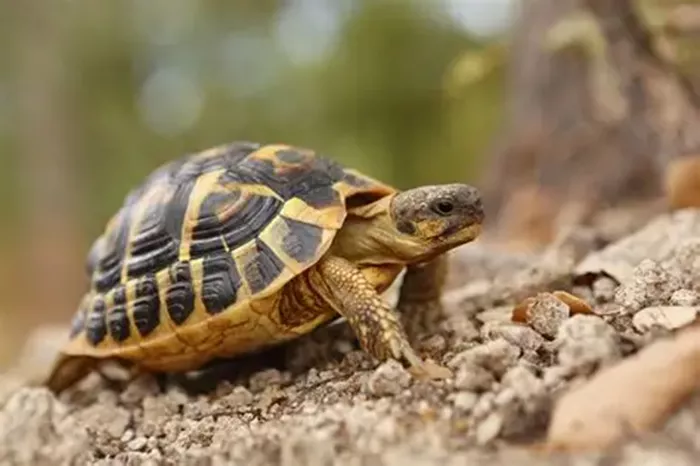
Before diving into mating, let’s first understand the Hermann tortoise. These reptiles are part of the Testudo genus and are known for their distinct shell pattern, which resembles the ancient armor of knights. Native to the Mediterranean region, they’re often kept as pets due to their manageable size and friendly demeanor.
Hermann tortoises are omnivorous creatures, feeding on a variety of plants, grasses, and occasionally, insects. However, their fascinating behavior and long life span (which can extend up to 50 years in captivity) make them quite remarkable. But when do these wonderful creatures mate? Let’s explore the factors influencing their breeding cycle.
When Do Hermann Tortoises Start Mating?
The mating season for Hermann tortoises typically occurs in spring and early summer. But why these months? The reason lies in the seasonal climate of their natural habitat. As temperatures rise and days become longer, these reptiles’ biological clocks are triggered to start their mating behavior.
Mating Season: Spring and Summer
Spring marks the awakening of many animals, including tortoises. During this time, male Hermann tortoises become more active and start searching for females. The warmth of the sun plays a crucial role here, as these reptiles are cold-blooded and rely on external temperatures to regulate their body heat. A temperature range of 20°C to 28°C (68°F to 82°F) is ideal for their mating activities. If it’s too cold, tortoises can become sluggish, which means they’re less likely to mate.
So, when you notice that your Hermann tortoise is more active during the warmer months, that’s a sign that mating behavior might be on the horizon!
Understanding the Climate’s Impact
Just like how some animals might hibernate in the winter, Hermann tortoises go through a period of brumation, which is like hibernation but less intense. During brumation, tortoises rest and remain inactive, not eating or engaging in mating behavior. This typically happens in the winter months. As the temperature rises, they “wake up,” and the mating season begins.
How Do Male Hermann Tortoises Attract Females?
Now that we know when the mating season happens, how exactly do male Hermann tortoises go about attracting females? Male tortoises are quite competitive when it comes to finding a mate, and they display several interesting behaviors to show off their strength and stamina.
The Courtship Ritual
When a male tortoise is interested in a female, he may display some fascinating behaviors:
Chasing: Males often chase females around their enclosure, trying to get close enough to court them. It may seem a bit comical, but it’s a way for the male to show his interest.
Neck Stretching: To appear larger and more intimidating, males will stretch their necks high in the air. This behavior also serves to show the female that he is healthy and strong.
Vocalization: Yes, tortoises make sounds! Male Hermann tortoises will often vocalize by making a raspy noise as they approach the female.
All of this is done to impress the female and show her that he is the most suitable mate. Sounds pretty dramatic, right?
When Do Female Hermann Tortoises Become Receptive to Mating?
Unlike some other species, female Hermann tortoises don’t mate all year round. Instead, they only become receptive to mating during the spring and summer months when the environmental conditions are favorable. A female tortoise’s reproductive cycle is closely tied to environmental cues, so factors like temperature and food availability play a significant role in when she will be ready to mate.
Female Tortoise Receptivity
When a female is ready to mate, she’ll usually show some subtle signs. These signs can include:
Increased Activity: A female may move more than usual during the mating season as she looks for a mate.
Behavioral Changes: Some females may even display defensive behavior if they are not interested in mating, which may cause males to be more persistent.
The timing of this is essential to successful breeding. If the female isn’t in the right condition, she won’t mate.
How Long Does the Mating Process Take?
Once a male and female are ready to mate, the actual process can take some time. Typically, mating can last anywhere from 15 minutes to an hour. During this time, the male will attempt to mount the female, and they will engage in copulation. This behavior can appear quite intense, with the male often making repetitive attempts to mount the female’s shell.
After mating, the female will typically go off to find a suitable place to lay her eggs. Unlike many reptiles, Hermann tortoises don’t lay their eggs in large nests. Instead, the female usually buries her eggs in a soft, moist area.
Post-Mating: What Happens After?
After mating, the female Hermann tortoise will begin the process of egg-laying, which occurs about 30 to 60 days after successful copulation. The female will search for a safe, warm spot to dig a hole and deposit her eggs. The number of eggs she lays can vary, but typically, a female will lay between 2 and 12 eggs. The eggs will then incubate for about 60 to 90 days, depending on the temperature and humidity levels.
Egg Incubation
The eggs need a stable temperature to hatch. If the temperature is too high, the eggs may hatch too soon; if it’s too cold, the embryos may not develop properly. Temperature plays a key role in determining the sex of the hatchlings as well.
Once the eggs hatch, the baby tortoises emerge, and their journey begins. They are independent from the moment they hatch, although they’ll remain in the burrow for a while until they are strong enough to face the outside world.
The Importance of Proper Care During the Mating Season
As a tortoise owner, if you plan to breed your Hermann tortoises, providing the right environment is essential. Here are a few tips to ensure a healthy mating season:
Provide Plenty of Space: Mating requires movement, so give your tortoises enough space to roam freely.
Ensure Proper Nutrition: Make sure both males and females are well-fed with a balanced diet that includes grasses, vegetables, and occasional fruits.
Maintain Ideal Temperatures: A warm environment (around 25-30°C or 77-86°F) is essential for successful mating.
Conclusion
In conclusion, Hermann tortoises mate during the spring and summer months, influenced by the rise in temperatures and the availability of food. Their courtship rituals are a fascinating display of persistence and strength, with males showing off to attract females. After mating, the female will lay her eggs and care for the next generation of tortoises.
Understanding these behaviors not only helps you appreciate tortoises more but also ensures that you provide them with the best care possible. If you own Hermann tortoises, this knowledge will guide you in creating the perfect conditions for breeding and egg-laying. Keep an eye on the seasonal changes, and be prepared to witness the amazing cycle of life!
Related topics: