
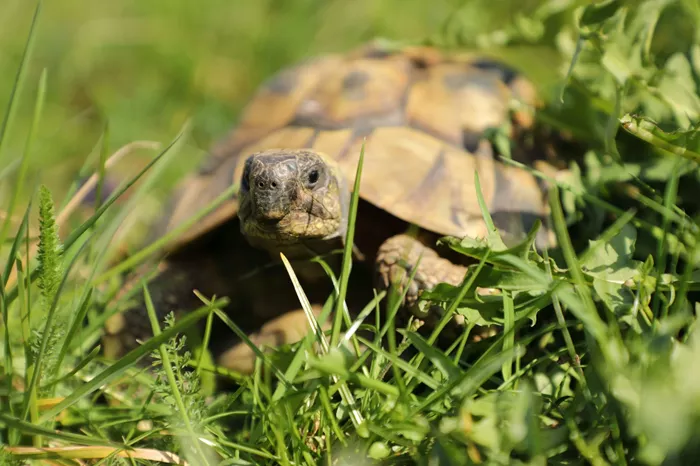
Hermann tortoises are among the most fascinating reptiles in the world. Known for their beautiful shells and gentle demeanor, these creatures have specific biological needs that can be quite unique—especially when it comes to hibernation. If you’re a reptile enthusiast, or perhaps a proud owner of a Hermann tortoise, you might have wondered: When do Hermann tortoises hibernate? Is it something you should worry about, or can you simply let nature take its course?
In this article, we’ll dive deep into the world of hibernation for Hermann tortoises, shedding light on why they do it, when it happens, and how to ensure your pet stays healthy throughout the process. So, let’s get started!
What Is Hibernation for Hermann Tortoises?
Before we explore the “when” of hibernation, it’s important to understand what hibernation actually means for tortoises. Unlike bears that sleep for months, hibernation for tortoises is a survival mechanism designed to help them manage environmental conditions, particularly cold temperatures. Hibernation is essentially a period of dormancy—a way for tortoises to survive during the colder months when food is scarce and the environment becomes inhospitable.
Think of it like a long, deep sleep. But, unlike humans who sleep for a few hours at night, tortoises go into a much more energy-conserving state for weeks or even months. It’s a way of hitting the pause button until the warmth of spring arrives.
Why Do Hermann Tortoises Hibernate?
Now that we understand what hibernation is, let’s answer the question “Why do Hermann tortoises hibernate?” Well, it all comes down to survival. Hermann tortoises, like many reptiles, are cold-blooded. This means their body temperature is regulated by the environment around them. During the colder months, their metabolism slows down significantly. By entering hibernation, they conserve energy and avoid wasting it in an environment where food is not readily available.
Imagine yourself living in a place where winter is harsh, and food sources are few. If you had no other choice, hibernating would be a pretty smart option, right? That’s essentially what your tortoise is doing—conserving its resources and waiting for the sun to warm things up again.
When Do Hermann Tortoises Typically Hibernate?
Hermann tortoises are native to parts of Europe and Asia, where the climate varies significantly between seasons. They typically begin to prepare for hibernation as the temperatures drop in the fall, around October to November. During this period, they will instinctively reduce their food intake, and their activity levels will decrease as they look for a safe place to burrow or settle into a quiet, cool spot.
So, when exactly do Hermann tortoises hibernate? The actual hibernation period usually lasts from November through February. But this can vary depending on the local climate and the age and health of the tortoise. Younger tortoises or those that are not in peak health might not hibernate as long—or might skip it entirely.
What Factors Affect Hibernation Timing?
Temperature: In regions with colder winters, Hermann tortoises will start to slow down earlier in the year. On the other hand, in milder climates, they may delay hibernation until it gets colder.
Daylight Hours: The shorter days and less sunlight in the winter also trigger hibernation in tortoises. These changes signal to their internal clocks that it’s time to prepare for dormancy.
Age and Health: Older or weaker tortoises might not hibernate as deeply or as long. Some may even need extra care and monitoring to ensure they don’t lose too much weight or suffer from dehydration during the hibernation period.
How to Prepare Your Hermann Tortoise for Hibernation
If you have a pet Hermann tortoise, you might be wondering how you can prepare them for hibernation. Don’t worry—helping your tortoise through this process is easier than you think! Here’s what you need to know:
Step 1: Ensure They’re Healthy
Before letting your tortoise go into hibernation, it’s important to make sure they’re in good health. A visit to the vet can be a good idea to check for any underlying issues. Your tortoise should be at an optimal weight—too much fat or too little can be dangerous during hibernation.
Step 2: Adjust Their Diet
In the weeks leading up to hibernation, start adjusting their diet. You can feed them a bit more to help them gain some extra weight, which will help them get through the dormant months. Think of it like preparing for a long road trip—having a little extra fuel (or in this case, food) helps them sustain themselves.
Step 3: Create a Safe Hibernation Spot
Choose a cool, dry place where your tortoise can rest undisturbed. The ideal temperature for hibernation is between 5-10°C (41-50°F). It’s important that the space doesn’t get too warm, as it could prematurely wake your tortoise up. Just like you’d store winter clothes in a cool closet, your tortoise needs a spot that stays cool throughout the winter months.
How to Care for a Tortoise During Hibernation
Monitor Their Health
During hibernation, it’s essential to monitor your tortoise’s health. While they’re in this dormant state, their metabolism is slower, and they won’t need to eat. However, you should still check in on them periodically. A healthy tortoise will often wake up for a drink of water, but if they don’t show signs of waking up, they may not be in good health.
Wake Them Up If Necessary
If you notice that your tortoise is not moving or has lost too much weight, you may need to gently wake them up. This is typically done by gradually warming them back up to room temperature and offering them water. Think of it as waking someone from a nap—it should be done slowly and carefully to avoid shock.
What Happens If Hermann Tortoises Don’t Hibernate?
In some cases, a Hermann tortoise might skip hibernation altogether. This is more common in pet tortoises living in controlled environments, such as indoor enclosures. While skipping hibernation isn’t usually harmful in the short term, it can lead to health problems over time, such as poor shell growth and a weakened immune system. It’s like choosing to skip a good night’s rest—it might not be the end of the world, but it’s not ideal either.
Signs Your Tortoise Is Ready for Hibernation
How can you tell if your Hermann tortoise is ready for hibernation? Look for these signs:
Decreased Appetite: They’ll eat less as they prepare for dormancy.
Reduced Activity: Your tortoise will slow down and may spend more time hiding or resting.
Changes in Behavior: Your tortoise might become less social and more focused on finding a good hibernation spot.
If you see these signs, it might be time to help them prepare for their long winter rest.
Conclusion
Hibernation is a completely natural part of a Hermann tortoise’s life cycle, and it’s something that they instinctively know how to handle. By following the right steps, you can help ensure that your pet tortoise stays healthy and safe throughout the winter months. Remember to monitor their health, provide a safe environment, and consult a vet if needed. It’s like preparing a cozy, peaceful retreat for your tortoise to rest until the warmth of spring brings them back to life.
Now that you’re well-versed in when and how Hermann tortoises hibernate, you’re all set to take care of your scaly friend during this fascinating natural process.
Related topics: