
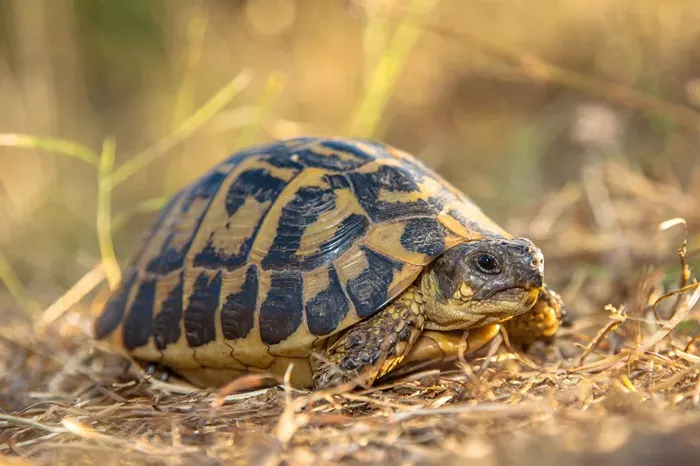
Are you curious about what makes the Hermann’s tortoise feel comfortable? You might be surprised to learn that this charming reptile is quite particular about its climate. Let’s dive into the details and unlock some fascinating facts that could help you care for this species—or simply satisfy your curiosity!
Meet the Hermann’s Tortoise: A Mediterranean Marvel
The Hermann’s tortoise (Testudo hermanni) is a small, land-dwelling reptile known for its distinctive yellow and black patterned shell. Native to southern Europe, especially regions like Italy, Spain, and Greece, this tortoise is a true representative of Mediterranean reptiles. Think of the Hermann’s tortoise as a sun-loving beachgoer—it thrives in climates where warm days and gentle breezes are the norm.
Understanding the Ideal Climate: Warm, Dry, and Sunny
When we talk about climate, we mean the usual weather patterns in an area. For the Hermann’s tortoise, “climate” isn’t just a background detail—it’s as essential as oxygen! These reptiles prefer a habitat that mimics the Mediterranean: hot summers, mild winters, and moderate rainfall. Imagine the balmy air you feel on a summer holiday by the sea—that’s what your Hermann’s tortoise loves.
- Temperature: During spring and summer, the ideal daytime temperature ranges from 25°C to 32°C (77°F to 89°F). Nighttime temperatures can drop to 15°C (59°F) without causing discomfort.
- Humidity: The air should be fairly dry, with humidity levels between 40% and 70%. Too much moisture can lead to shell problems or respiratory issues.
- Sunlight: Direct sunlight is crucial for these reptiles. Just like you need vitamin D from sunshine, Hermann’s tortoises rely on natural light to regulate their body temperature and health.
Why Is Climate So Important for Reptiles Like Hermann’s Tortoise?
Reptiles are cold-blooded animals—think of them like solar-powered gadgets. They depend on external heat sources to warm up or cool down. If it’s too chilly or damp, their bodies slow down dramatically. You might notice your tortoise moving sluggishly or refusing food when it’s cold—just as you might not want to leave your cozy bed on a frosty morning!
For the Hermann’s tortoise, access to warmth is more than comfort—it’s a matter of survival. In their native range, they bask under rocks and shrubs to soak up heat, while cooler nights help them rest. Rain is welcome occasionally but prolonged wetness can spell trouble.
Seasonal Changes: Adapting Like Nature’s Clockwork
The climate in southern Europe changes with the seasons, and so does the behavior of the Hermann’s tortoise:
- Spring/Summer: Active periods filled with feeding, exploring, and basking. This is when you’ll see these reptiles at their happiest—much like children during summer vacation!
- Autumn/Winter: As temperatures drop below 10°C (50°F), Hermann’s tortoises prepare for hibernation—a deep sleep that helps them survive colder months. Imagine pressing “pause” on your TV remote; they essentially stop most activity until spring returns.
Creating the Perfect Environment for Your Hermann’s Tortoise
If you’re thinking of keeping a Hermann’s tortoise as a pet—or just want to know more—here are some practical tips for mimicking its natural climate:
- Use a heat lamp or basking spot in an indoor enclosure to maintain proper warmth.
- Provide access to natural sunlight or use full-spectrum UVB lighting.
- Make sure your habitat has dry areas and hides to replicate rocky Mediterranean terrain.
- Avoid overly wet substrates—think sandier soils instead of muddy patches.
One keeper from Italy shared: “My Hermann’s tortoise loves basking on flat stones in late afternoon sun—if I miss turning on his lamp, he looks at me like I forgot his favorite treat!”
Climate Challenges: What Happens If Conditions Aren’t Right?
If you keep your Hermann’s tortoise in a climate that’s too cold or damp, problems can arise:
- Slowed metabolism (like feeling sluggish after staying indoors all winter)
- Poor appetite or digestive issues
- Increased risk of respiratory infections or shell rot
Don’t miss out on providing optimal conditions—it’s awesome how lively these reptiles become when their environment matches their Mediterranean roots!
Conclusion
Caring for a Hermann’s tortoise means understanding its love for warmth, sunshine, and dry air—just like many other Mediterranean reptiles. Whether you’re a beginner reptile enthusiast or an experienced keeper, creating an environment that mirrors its native climate helps ensure your shelled friend stays happy and healthy. Remember: the right climate isn’t just a backdrop—it’s key to unlocking vibrant reptile life!
Related topics: