
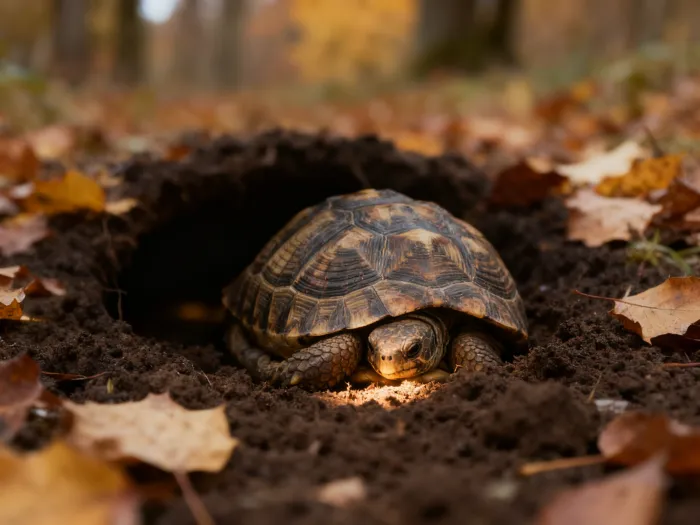
When winter approaches and temperatures drop, you might wonder: Do tortoises hibernate like some other animals? This is a fascinating question for reptile enthusiasts and beginners alike. The answer isn’t as straightforward as you might think—so let’s unlock the secrets behind tortoise behavior during chilly seasons. If you’ve ever watched your pet tortoise slow down or tuck itself away, don’t miss this engaging exploration into their winter world!
What Is Hibernation in Reptiles?
Hibernation is a deep sleep-like state that some animals enter to survive cold periods when food is scarce. Think of it like putting your smartphone on “battery saver mode”—the animal conserves energy by slowing down its body functions. In reptiles, including many species of tortoise, this process is called brumation. Brumation is similar to hibernation but happens in cold-blooded creatures like reptiles, which rely on their environment for warmth.
Do All Tortoises Hibernate?
Not all tortoises hibernate, and whether they do depends on their species and natural habitat. For example, the Russian tortoise and Hermann’s tortoise often brumate during colder months, while tropical species such as the Leopard tortoise generally do not. It’s a bit like how some people love winter sports while others prefer staying indoors with a cup of hot chocolate—different preferences for different conditions!
Why Do Some Tortoises Hibernate?
Tortoises that come from regions with cold winters have evolved to survive by slowing down their metabolism. During brumation, a tortoise’s heartbeat drops, and it eats very little or nothing at all. This helps it save energy until warmer weather returns. If you notice your Russian tortoise burrowing underground or becoming less active as winter approaches, it’s tapping into this ancient survival strategy.
How Does Brumation Differ from Mammal Hibernation?
Brumation and mammal hibernation are similar but not identical. While mammals like bears curl up in dens and sleep deeply for months, reptiles such as tortoises remain semi-alert during brumation. Imagine you’re just napping lightly instead of sleeping soundly through the night—tortoises can wake up briefly to drink water if needed. According to herpetologist Dr. James Murphy (Smithsonian National Zoo), “Brumating reptiles occasionally stir to hydrate but do not feed until spring.”
Signs Your Tortoise Is Preparing for Brumation
If you own a temperate-climate tortoise, watch for these signs as winter nears:
- Reduced activity: Your tortoise may move less or stop exploring.
- Less eating: Appetite drops dramatically.
- Burrowing: Many species dig into soil or leaf litter to insulate themselves.
- Seeking cool spots: They may choose shaded areas over sunny ones.
These behaviors are nature’s way of saying, “I’m getting ready for a long nap!” Awesome, right?
Is Brumation Safe for Pet Tortoises?
Brumation is natural for many wild tortoises, but pet owners should be cautious. It’s important to ensure your pet is healthy before allowing it to brumate, just like checking your car before a long road trip! Sick or underweight tortoises may struggle during this period. Always consult with a reptile vet before initiating brumation at home.
Stories from Real Keepers: Lessons Learned
Jane Miller, a long-time keeper of Hermann’s tortoises in England, shares: “The first winter I noticed my tortoise slowing down, I was worried! But after reading up and talking to other keepers, I learned how to safely let her brumate by keeping her cool and undisturbed.” Such anecdotes highlight the importance of preparation and education when caring for these amazing reptiles.
Tropical vs Temperate Species: The Great Divide
Remember—tropical tortoises like the Sulcata or Red-footed tortoise don’t need to hibernate because their native climates remain warm year-round. Keeping these species cool can actually harm them! So always research your specific reptile before making changes to its care routine.
How Long Does Brumation Last?
Brumation can last anywhere from a few weeks to several months depending on the species and environmental conditions. Most temperate-climate tortoises brumate from late autumn until early spring, much like how deciduous trees lose their leaves in winter and regrow them when warmth returns.
Final Thoughts: Should You Let Your Tortoise Hibernate?
If you own a species that naturally hibernates (brumates), proper preparation is key:
- Health check with a vet
- Controlled temperature environment
- Regular monitoring for hydration
Allowing natural behaviors can keep your reptile happy and healthy—but remember, every tortoise is unique!
Conclusion
Understanding whether or not your tortoise should hibernate is crucial for responsible reptile care. By learning about brumation and knowing your species’ needs, you’ll be well-equipped to provide the best environment for your shelled companion—whether it prefers cozy naps or stays active all year long.
Caring for reptiles like the Russian or Hermann’s tortoise can be incredibly rewarding when you respect their natural rhythms. With informed preparation and attentive observation, you can ensure your pet thrives through every season. Don’t miss out on discovering more about these remarkable creatures; their winter habits are just one of many awesome adaptations that make reptiles truly fascinating!
Related topics: