
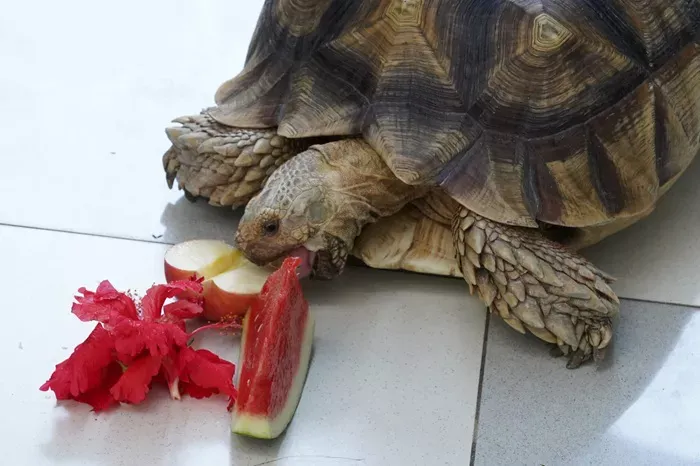
When you look at a tortoise munching on leafy greens, have you ever wondered: can tortoises eat apples? This question is more than a matter of curiosity—it touches on the health and happiness of these fascinating reptiles. Get ready for some surprising facts and expert tips that will help you care for your shelled companion like a pro. Awesome, right? Let’s dive in!
Introduction to Tortoise Diets
Tortoises, like their reptile relatives, are known for their slow pace and long lifespans. But their dietary needs are anything but simple. Imagine a tortoise’s digestive system as a slow-moving conveyor belt—what you put on it matters. Most tortoises are herbivores, which means they eat plants, fruits, and vegetables. However, not every fruit is suitable for these reptiles. As you read on, you’ll discover why apples can be both tempting and tricky for species such as the Russian tortoise and the sulcata tortoise.
Apples: Tempting Treat or Trouble?
You might think of apples as the universal symbol of healthy snacks, but for tortoises, it’s not so straightforward. Apples contain sugar, fiber, and vitamins—just like a sweet treat for humans! But imagine giving candy to a child every day; too much sugar can be harmful. For reptiles like tortoises, an excess of fruit sugars may lead to digestive issues or even obesity.
According to Dr. Jane Moore, a reptile keeper with over 20 years of experience, “Offering apples as an occasional treat is fine, but they should never make up the bulk of your tortoise’s diet.” This advice applies to most common pet species: the Greek tortoise (Testudo graeca), Hermann’s tortoise (Testudo hermanni), and the leopard tortoise (Stigmochelys pardalis).
Nutritional Value of Apples for Tortoises
Let’s break down what apples offer:
- Vitamins: Apples are rich in vitamin C and some B vitamins.
- Fiber: Good for digestion when offered in moderation.
- Water: Hydrating on hot days.
- Sugar: Tasty but risky if overfed.
Think of apples like dessert after dinner—delicious in small amounts but not meant to replace main meals. The main diet for most land-dwelling reptiles should consist of leafy greens (like kale or dandelion), grasses, and occasional vegetables.
Safe Ways to Feed Apples to Your Tortoise
If you decide to share an apple with your shelled friend, keep these steps in mind:
- Remove Seeds: Apple seeds contain small amounts of cyanide—a toxic substance even in tiny doses. Always cut out seeds before feeding.
- Cut into Small Pieces: Imagine feeding a toddler; small bites prevent choking.
- Wash Thoroughly: Pesticides can linger on fruit skins. Rinse under running water before serving.
- Limit Quantity: One or two bite-sized pieces per week is plenty for most adult reptiles.
Experienced keepers often compare feeding apples to giving treats at a birthday party—fun once in a while but not every day! “My sulcata tortoise loves apple slices,” says keeper Tom Li from Arizona, “but I only offer them twice a month alongside his regular greens.”
Risks Associated With Apples
Just like with any exotic pet care routine, moderation is key. Too many apples can cause:
- Diarrhea: Excess sugar upsets the balance of gut bacteria.
- Weight Gain: Reptiles metabolize sugars slowly compared to mammals.
- Nutritional Imbalances: If fruit replaces essential greens, your tortoise may miss out on calcium and fiber needed for shell health.
Remember: Every species is different! The Russian tortoise may tolerate fruit better than the sulcata tortoise, which prefers fibrous grasses. Consult your veterinarian before making major changes to your reptile’s diet.
Alternatives to Apples for Tortoises
Looking for other treats? Here are some safe options:
- Strawberry (in moderation)
- Melon (seedless)
- Blueberries (sparingly)
But always return to basics—fresh greens like collard or mustard leaves should be the main menu item.
Expert Tips and Fun Anecdotes
Did you know? In some wildlife sanctuaries, zookeepers use apple pieces as part of enrichment activities—hiding them under leaves so the tortoises “hunt” for their snack! This not only provides nutrition but also encourages natural behavior.
“It’s amazing watching my Hermann’s tortoise sniff out apple bits,” shares Emma Torres from London Zoo. “He moves surprisingly fast when he smells something sweet!”
Conclusion
Apples can be an exciting treat for your tortoise—but only if offered with care and caution. Remember: moderation is everything when it comes to reptile nutrition! By understanding the unique needs of your Russian or Greek tortoise (or any other species), you’ll ensure they live long, healthy lives filled with variety and enrichment. Don’t miss out on making mealtime both safe and fun for your reptilian companion!
Related topics: