
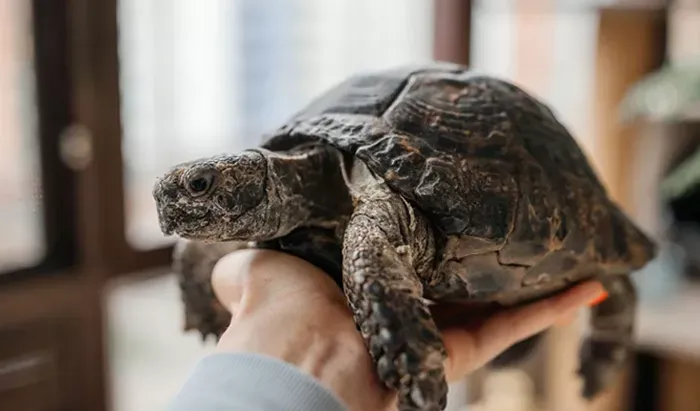
Have you ever wondered what it’s like to have a tortoise as a pet? Tortoises, those slow-moving reptiles with sturdy shells, are not only fascinating but can become cherished members of your household. But don’t be fooled by their calm appearance—petting and caring for a tortoise is an art, filled with gentle touches and careful observation. If you’re curious about the right way to interact with these ancient reptiles, you’re in the right place. Let’s unlock the secrets behind safe and enjoyable tortoise petting—don’t miss it!
Understanding Your Tortoise: More Than Just a Hard Shell
Before you reach out to pet your tortoise, it’s important to know what makes them unique among reptiles. Tortoises are land-dwelling creatures, distinct from turtles (who prefer water). Their shells act like built-in armor—imagine wearing a backpack that covers your whole body! According to the British Chelonia Group, a tortoise’s shell is sensitive and contains nerve endings, so gentle handling is crucial.
Unlike cats or dogs, tortoises communicate mostly through body language. If you see your tortoise retracting into its shell or moving away slowly, it’s probably feeling shy or threatened. Think of it like someone closing their bedroom door when they want privacy. Respect these signals and give your reptile space when needed.
Choosing the Right Moment: Timing Is Everything
Petting a tortoise isn’t about spontaneous cuddles; timing matters! The best time to interact is when your tortoise is alert and active—usually after basking under its heat lamp or exploring its habitat. Much like humans prefer conversation after coffee, tortoises are more receptive when they’ve warmed up.
Approach your tortoise slowly from the front so it can see you coming. Sudden movements can startle them, just as you might jump if someone sneaks up behind you. Experienced reptile keepers suggest speaking softly while reaching out, helping your pet feel at ease (Reptiles Magazine, 2021).
The Art of Gentle Petting: How to Touch Safely
When you’re ready to pet your tortoise, use an open palm and move slowly. Stroke the top of the shell or gently rub its neck—these are less sensitive areas. Avoid poking or tapping; imagine how uncomfortable it would be if someone drummed on your back! Never pick up your tortoise by its shell edges; always support its whole body from underneath.
If your tortoise stretches its neck out while being petted, that’s usually a sign of enjoyment—like a cat purring when scratched behind the ears. However, if it pulls away or closes its eyes tightly, pause and let it relax.
Building Trust: Creating Positive Experiences
Trust takes time with reptiles like the tortoise. Start with short sessions, gradually increasing as your pet gets comfortable. Offer treats such as leafy greens after petting—a bit like rewarding good behavior in dogs.
One seasoned keeper recalls how her Greek tortoise warmed up after weeks of gentle interaction and soon began seeking her hand for attention (Herpetological Review, 2019). These stories highlight that patience leads to rewarding relationships with reptiles.
Recognizing Stress: Signs You Should Stop
Tortoises are stoic but not invincible. Watch for signs of stress: rapid breathing, hiding in corners, or refusing food. These cues mean it’s time for a break—think of it as pressing pause during a heated game.
A study by the Journal of Zoo and Aquarium Research (2020) notes that regular monitoring helps maintain healthy behavior in captive reptiles like the Hermann’s tortoise. If stress persists, consult an expert.
Common Mistakes: What Not To Do
Avoid handling your tortoise too often or roughly; excessive petting can lead to anxiety or health issues. Never attempt to force interaction—respect is key in reptile care.
Some beginners mistakenly believe all reptiles enjoy human contact, but each species has its own preferences. The Russian tortoise may tolerate more petting than others but always observe individual reactions.
Making Petting Fun: Enrichment Ideas
Petting isn’t just about touch—it’s about bonding! Create enrichment activities such as gentle obstacle courses or offering new foods after petting sessions. This keeps your tortoise mentally stimulated and strengthens your connection.
Remember: patience and creativity go hand-in-hand when caring for reptiles like the tortoise. Awesome things happen when you invest time in understanding their world!
Conclusion: Embrace the Joy of Reptile Companionship
Petting a tortoise is more than simple contact—it’s an invitation into the fascinating realm of reptiles. By approaching with patience, knowledge, and gentle hands, you’ll unlock delightful moments with these ancient creatures.
Whether you’re caring for a Sulcata or Hermann’s tortoise, each interaction builds trust and strengthens your bond. So take it slow, respect their signals, and enjoy every step of this rewarding journey into reptile companionship!
Related topics: