
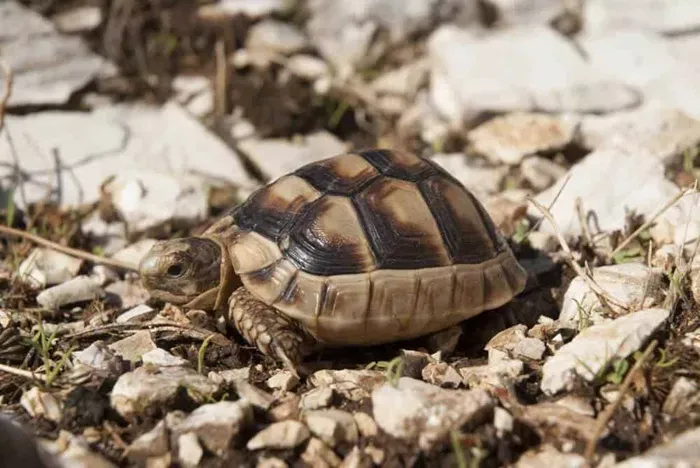
Are you dreaming of sharing your home with a gentle reptile, but unsure which tortoise species is best for beginners? You’re not alone! Many people fall in love with tortoises because of their calm nature and unique personalities. But picking the right tortoise isn’t as simple as choosing a puppy or a goldfish. Let’s unlock the secrets behind selecting the perfect home tortoise—read on for some awesome insights that will make your decision easier.
Why Choose a Tortoise?
Tortoises are reptiles that move slowly and live long lives—some even outlive their owners! Imagine having a pet that becomes part of your family legacy. Unlike snakes or lizards, tortoises don’t climb walls or hide in tiny spaces, making them easier to manage indoors. Plus, their shells are like natural armor, offering protection and adding to their charm.
“My Hermann’s tortoise has been with me for 15 years. He’s like a wise old friend who never complains!” – Julia, experienced reptile keeper
Understanding Tortoise Needs: Simple Analogies
Think of caring for a tortoise like looking after a slow-moving robot that needs sunlight to recharge. All tortoises need warmth, a dry environment, and lots of space to roam. They aren’t cuddly like cats or dogs, but watching them explore is just as rewarding.
Top Tortoise Species for Beginners
Let’s break down the best options for home reptile enthusiasts:
Hermann’s Tortoise: The Friendly Classic
If you’re new to reptiles, Hermann’s tortoise (Testudo hermanni) is often the top pick. Why? They’re hardy (meaning tough and adaptable), stay small (usually under 8 inches), and have easy-to-meet care needs. Their personalities are curious but gentle, making them ideal companions.
- Size: Small enough for most homes
- Diet: Simple vegetarian meals—think salad greens!
- Lifespan: Up to 50 years (yes, it’s a commitment!)
- Keywords: Hermann’s tortoise, reptiles, beginner species
Hermann’s tortoises are like the “starter cars” of the reptile world: reliable and easy to handle.
Russian Tortoise: The Tough Explorer
Next up is the Russian tortoise (Agrionemys horsfieldii). These little guys are built like tanks—they can handle temperature changes better than most species and rarely get sick. Their shells look like rugged helmets and they only grow to about 6 inches long.
- Size: Compact and manageable
- Diet: Loves leafy greens and weeds—no special food required
- Personality: Adventurous; loves digging!
- Keywords: Russian tortoise, reptiles, hardy species
Russian tortoises remind me of the classic toy car—durable, simple to use, and fun to watch.
Greek Tortoise: The Beautiful Choice
Greek tortoises (Testudo graeca) are admired for their stunning shell patterns—think of them as the “designer handbags” of the tortoise world! They’re social but slightly more delicate than Hermann’s or Russian tortoises.
- Size: Medium (up to 10 inches)
- Diet: Enjoys fruits occasionally—like giving your pet a treat!
- Care: Needs stable temperatures; not ideal for cold homes
- Keywords: Greek tortoise, reptiles, attractive species
Fun fact: Some Greek tortoises have lived over 100 years in captivity! That’s legendary.
What About Sulcata and Leopard Tortoises?
You might see Sulcata (African spurred) or Leopard tortoises at pet stores—they look impressive! But beware: Sulcatas can reach 100 pounds and need outdoor space, while Leopards require very warm climates. For most homes, these giants are more trouble than joy.
- Keywords: Sulcata tortoise, Leopard tortoise, large reptiles, beginner mistakes
- Analogy: Owning a Sulcata is like parking an RV in your living room—not practical unless you have lots of space!
Creating the Right Environment
Just like you wouldn’t keep a fish out of water or a bird in a shoebox, your reptile needs proper housing:
- Spacious enclosure with secure walls (think playpen for slow-moving pets)
- UVB light to help absorb calcium—imagine sunlight for strong bones!
- Substrate (floor material) that allows digging but stays dry—like sandy soil in nature.
- Fresh water available at all times; shallow dish is best.
- Safe hiding spots—a cardboard box works wonders!
Daily Care Tips for Happy Home Tortoises
Tortoises love routine:
- Feed fresh greens every morning—avoid iceberg lettuce; it’s like fast food for them!
- Provide gentle misting if air is dry; humidity matters for their skin.
- Monitor temperature—use a simple thermometer; aim for 75–90°F during the day.
- Clean their enclosure weekly—removing old food and droppings keeps everything healthy.
- Handle gently; never lift by their shell edges (imagine being picked up by your hair!).
- Watch out for signs of illness: runny nose or swollen eyes mean vet time!
- Regular shell checks—look out for cracks or soft spots.
- Let them roam supervised indoors occasionally; they love exploring new spaces.
- Keywords: daily care, reptile maintenance, home environment, healthy tortoise habits.
Real-Life Anecdotes from Reptile Keepers
Many keepers say their Hermann’s or Russian tortoises quickly become family favorites:
“My Russian tortoise wakes up when he hears breakfast being prepared—it’s adorable!” – Mike, first-time reptile owner.
“Greek tortoises love sunbathing on my windowsill. It’s their happy place.” – Sarah, long-time keeper.
These stories prove that reptiles can be just as engaging as furry pets when cared for properly!
How to Choose Wisely: Avoid Common Mistakes
Don’t be fooled by exotic looks or misleading advice online:
- Always buy from reputable breeders who provide health records.
- Ask about age—youngsters adapt better than older rescues in most cases.
- Research local laws on reptile ownership; some species require permits.
- Keywords: choosing reptiles wisely, responsible ownership, beginner tips.
Awesome pets deserve awesome care—so don’t miss these important steps!
Conclusion
Selecting the right home tortoise isn’t just about beauty or size—it’s about matching your lifestyle with their natural needs. For most beginners, Hermann’s or Russian tortoises offer an ideal blend of simplicity and charm without demanding complex care routines. Remember: every reptile deserves respect and thoughtful attention. With patience and preparation, your new shelled companion will thrive—and bring joy to your home for decades to come. Happy reptile keeping!
Related topics: