
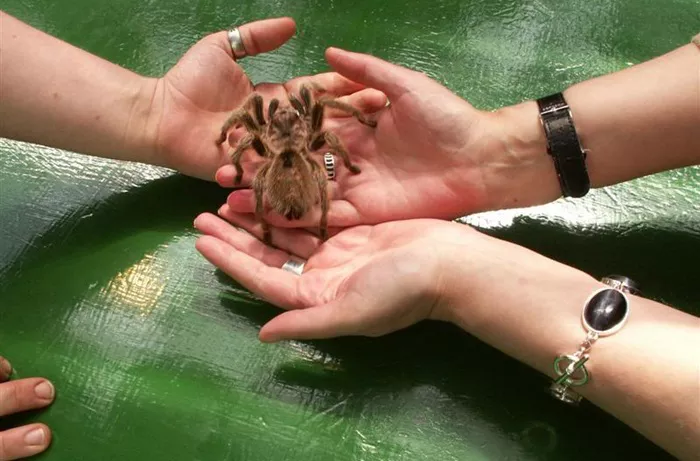
When you think of a tarantula, you might imagine a fierce, dangerous creature lurking in the shadows. But did you know that the Chilean rose tarantula (Grammostola rosea) is actually one of the calmest and most docile spiders around? If you’re thinking of adding one to your collection or simply want to learn more, this article is here to demystify the personality of this fascinating spider. You might be surprised by what you’ll discover!
An Intro to the Chilean Rose Tarantula
The Chilean rose tarantula, native to the dry, desert regions of Chile, Bolivia, and Argentina, is not just a spider—it’s a pet that has gained immense popularity among arachnid enthusiasts. Unlike many other tarantulas, which can be skittish or aggressive, this species is often described as friendly, making it a great choice for beginners.
But don’t get too comfortable—although these tarantulas are typically calm, they still have their own personalities, and understanding them is key to ensuring they live a healthy and happy life in captivity. You might be wondering: What makes them so docile? Do they all behave the same way? Let’s dive in and find out!
Are All Chilean Rose Tarantulas Calm?
No two Chilean rose tarantulas are exactly the same, and while many are docile, there can be variations in temperament. Just like us, spiders have their moods. Some may be a little more nervous or easily startled than others. If you’ve heard stories of people handling their tarantulas without much fuss, keep in mind that it doesn’t always go smoothly for everyone. With time and proper care, most Chilean rose tarantulas will grow accustomed to their owners.
It’s also important to remember that tarantulas are solitary creatures by nature. In the wild, they spend most of their time alone in burrows, only coming out to hunt or mate. So, even though they’re calm, they are still territorial and prefer not to be bothered too much. This is why handling them frequently or inappropriately can cause stress. Imagine being stuck in your cozy room, only for someone to knock on your door all the time—that’s probably how a tarantula feels when it’s constantly handled.
The Calm and Collected Nature of the Chilean Rose Tarantula
One of the most common things that people say about the Chilean rose tarantula is how laid-back they are. They rarely display aggressive behaviors unless provoked. In fact, these tarantulas are more likely to retreat than attack when feeling threatened. They are non-aggressive, meaning they won’t seek out conflict—they prefer to stay low-key and avoid interaction, much like the introverts of the spider world.
But here’s an interesting fact: When a Chilean rose tarantula does feel cornered or threatened, its first line of defense isn’t its venom. Instead, it uses a unique defense mechanism—urticating hairs. These tiny, barbed hairs are kicked off the spider’s abdomen when it feels threatened. The hairs can irritate the skin and eyes of potential predators. It’s like a spider throwing a tantrum to protect itself, but only if it absolutely has to!
So, if you’re looking for a tarantula that isn’t likely to launch an attack at the drop of a hat, the Chilean rose is a great choice. But remember, all spiders—no matter how friendly—need their space.
Understanding a Chilean Rose Tarantula’s Behavior
When it comes to behavior, Chilean rose tarantulas tend to be active at night, like most tarantulas. They are nocturnal creatures, meaning they prefer the cooler, darker hours to hunt and roam. So, if you’ve noticed that your tarantula is more active during the evening or early morning, don’t worry—this is perfectly normal.
In terms of feeding behavior, Chilean rose tarantulas are opportunistic hunters. They will typically wait near their burrows or hideouts, waiting for prey to come close. Once the prey is within range, the tarantula pounces—using its venom to paralyze and break down the prey. Unlike some aggressive species, the Chilean rose will not go out hunting actively; it prefers to stay in its shelter and ambush its meals.
These spiders may also go through periods of fasting, especially as they approach molting. They may refuse food for weeks or even months at a time. So, if your Chilean rose tarantula isn’t eating, it’s not necessarily a sign of illness—it could just be getting ready for a molt!
Temperament Based on Gender
An interesting aspect of Chilean rose tarantulas is that their behavior can differ between males and females. Females, who live much longer—up to 20 years in captivity—are generally more calm and consistent in their temperament. They spend most of their lives in their burrows, only leaving occasionally to hunt or mate.
On the other hand, males have a more restless nature. As they reach maturity, they begin to leave their burrows more often in search of a mate. During this time, they can become more skittish and nervous, possibly due to their drive to find a female. Males have a much shorter lifespan—usually around 5-7 years—and their behavior is often more focused on reproduction rather than maintaining a steady, calm lifestyle.
So, whether you’re adopting a male or female Chilean rose tarantula, you might notice some personality differences, with females being more consistent in their calm demeanor.
How to Interact with Your Chilean Rose Tarantula
If you’re wondering how best to interact with your Chilean rose tarantula, the key is gentleness and respect for their boundaries. While these tarantulas are docile, they are not toys. They appreciate a stable and quiet environment. Here are a few tips for handling your Chilean rose tarantula:
Don’t handle it too often: Chilean rose tarantulas may tolerate handling, but they don’t particularly enjoy it. Limit handling to once or twice a week and always be gentle.
Be slow and deliberate: If you need to pick up your tarantula, approach it slowly. Sudden movements might scare it. It’s best to let your tarantula climb onto your hand or use a soft tool to guide it.
Avoid handling during molting: A molting tarantula is very vulnerable. Handling them during this time can cause stress and injury, so it’s best to leave them undisturbed until after they’ve completed the molt.
Keep the environment stable: A stable temperature, humidity level, and hiding spots will help your tarantula stay calm. Stress from environmental changes can lead to behavior problems.
The Emotional Side of Your Chilean Rose Tarantula
You might be wondering if your Chilean rose tarantula feels anything when you interact with it. While spiders don’t have emotions in the way humans do, they do experience stress and fear. Building trust with your tarantula involves allowing it to get used to your presence. Over time, it may begin to recognize you as a non-threatening figure.
Imagine a pet cat or dog that gets used to your scent and behavior—eventually, your tarantula might do the same. You may see signs of curiosity when your tarantula explores its environment, or it might even relax in your presence if you’ve been gentle and consistent with your care.
Conclusion
In summary, the Chilean rose tarantula is one of the most calm, docile, and low-maintenance tarantulas you can keep as a pet. With a little patience, you can build a calm, trusting relationship with your tarantula. They’re perfect for beginners because of their forgiving nature, but like all animals, they do best when you respect their boundaries.
Remember, even though they’re peaceful, they’re still spiders—they have their own set of instincts and behaviors that should be understood. Whether you’re a seasoned arachnid owner or just beginning your tarantula journey, the Chilean rose offers a fascinating glimpse into the world of these misunderstood creatures.
Related topics: