
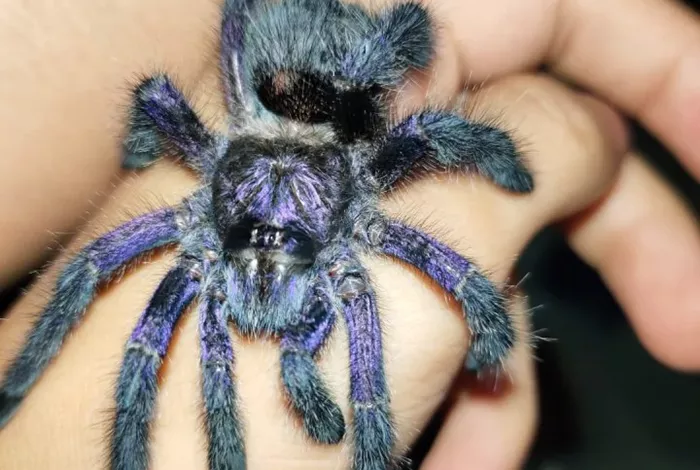
Have you ever wondered what it would be like to have a tarantula as a pet? Not just any tarantula, but one with striking purple-pink hues on its toes? Sounds incredible, right? Enter the Purple Pink Toe Tarantula (Psalmopoeus cambridgei), a creature as fascinating as it is beautiful. In this article, we’re going to dive into the world of this gorgeous arachnid and explore everything you need to know—from its appearance and behavior to how to care for it if you decide to make one a part of your exotic pet collection.
So, let’s take a closer look at the Purple Pink Toe Tarantula, also known for its web-spinning expertise, its feisty nature, and its enchanting colors. Ready to be amazed? Let’s jump in!
Introduction to the Purple Pink Toe Tarantula
The Purple Pink Toe Tarantula is a small-to-medium-sized species found primarily in the rainforests of Central and South America. It belongs to the Psalmopoeus genus, which is known for having some of the most strikingly beautiful and vibrant species of tarantulas. You might have seen photos online of tarantulas with purple-pink legs, but this one’s real deal. Psalmopoeus cambridgei can be recognized for its strikingly vibrant colors, especially the pinkish-purple shades on its toes, which is where it gets its name.
But, what sets it apart from other tarantulas? Is it all about looks?Absolutely not! Despite its small size, this tarantula has a personality that packs a punch—very much like the drama you see in the wild. It’s not as docile as some other tarantulas, making it an interesting choice for enthusiasts who want more excitement with their pets. But let’s break it all down, so you know exactly what you’re getting into before you make it a part of your home.
Physical Appearance: The Colorful and Mesmerizing Legs
When you first spot a Purple Pink Toe Tarantula, you’re in for a treat. This species is particularly admired for its vibrant colors. As mentioned, the most eye-catching feature is its purple-pinkish hues on the legs. Imagine you’re walking through the rainforest and suddenly see a small creature dart across the forest floor with these glowing pink toes—it’s like a burst of color in an otherwise earthy world.
Size and Shape
Despite its name, the Purple Pink Toe Tarantula is not a giant tarantula species. It typically grows to a leg span of about 5 to 6 inches. While smaller than some of its cousins, its strikingly long, slender legs with distinct colors make it stand out. The body itself is usually brown or beige with some dark markings, making the colorful feet even more prominent.
Hairy Legs and Body
Like most tarantulas, the Purple Pink Toe has a hairy body, but it’s not overly fluffy. These tiny, fine hairs play a role in defense, as they can irritate predators or potential threats. You’ll notice the body has a somewhat spiny appearance, but those pink toes? They steal the show.
Habitat and Natural Behavior: Rainforest Creatures
You may be wondering, “Where do these tarantulas live?” Good question! Purple Pink Toe Tarantulas hail from rainforests across Central and South America, primarily in countries like Panama and Costa Rica. These places are lush, humid, and filled with greenery, making them perfect homes for tarantulas.
Living in Trees: Arboreal Behavior
Unlike some tarantula species that live on the ground, the Purple Pink Toe Tarantula is an arboreal species. This means it spends much of its life in trees or on plants, weaving webs between branches and foliage. Think of it as the acrobat of the tarantula world! Its silken webs act as hiding spots and hunting grounds, giving it the perfect setup for an ambush on small insects like crickets or moths.
Personality: Is It Feisty?
When it comes to the Purple Pink Toe Tarantula, expect a feisty personality. While many tarantulas are relatively docile and calm, this one has a sassy side. You may even find it darting away quickly when it feels threatened—something you might not expect from a creature that spends so much time in its web.
Aggressive But Fascinating
Despite being on the smaller side, the Purple Pink Toe Tarantula can be aggressive when it feels cornered or in danger. This species is known to flick urticating hairs (small barbed hairs) from its body as a defense mechanism. So, it’s best to handle it cautiously—if you even choose to handle it at all.
It’s not the tarantula species for everyone, especially beginners, but if you enjoy observing an active, quick-moving, and expressive pet, this could be an exciting choice.
Care for a Purple Pink Toe Tarantula
Now, let’s talk about how to care for your Purple Pink Toe Tarantula if you’re planning to have one as a pet.
Enclosure and Humidity
Creating a suitable enclosure is the first step. Since this tarantula is arboreal, it will need vertical space. A tall, well-ventilated tank with plenty of climbing surfaces (like branches or cork bark) will be ideal. Keep the humidity levels high—around 70-80%—since these creatures thrive in moist environments.
Substrate and Hiding Spots
A deep substrate layer of coconut fiber or peat moss will provide a good base for burrowing. While the Purple Pink Toe Tarantula doesn’t dig as much as some other species, it still appreciates a place to hide and feel safe.
Diet: What Do They Eat?
Purple Pink Toe Tarantulas are carnivorous and will readily feed on crickets, roaches, and other insects. You’ll also want to feed them a varied diet to keep them healthy and happy. A juvenile tarantula might eat once or twice a week, while an adult might only need feeding every 7-10 days. Make sure to feed appropriately sized prey—too large, and they may struggle with digestion.
Conclusion
So, after all this, should you consider getting a Purple Pink Toe Tarantula? If you’re looking for a unique, beautiful pet that brings excitement and a bit of a challenge, then this is definitely an intriguing option. Its stunning appearance and distinct personality make it a must-have for collectors and enthusiasts alike. But, be prepared for the occasional fast movements and feisty behavior.
If you’re an experienced tarantula keeper looking for something more active and a little less predictable than a standard docile species, this tarantula could be a perfect fit for your collection. Great care and a well-maintained habitat will ensure your tarantula thrives and dazzles you with its beauty for years to come.
Related topics: