
Have you ever come across a tarantula that seems like it belongs in a sci-fi movie? Meet the Purple Starburst Birdeater Tarantula, an exotic arachnid that draws attention with its stunning appearance and captivating behaviors. This isn’t just another spider in the wild; it’s a true gem in the world of tarantulas.
In this article, we’ll take you on an exciting adventure into the world of this extraordinary tarantula species. We’ll explore its natural habitat, physical traits, care requirements, and what makes it stand out among other tarantulas. So, fasten your seatbelt and get ready to delve into the world of the Purple Starburst Birdeater Tarantula!
What Makes the Purple Starburst Birdeater So Unique?
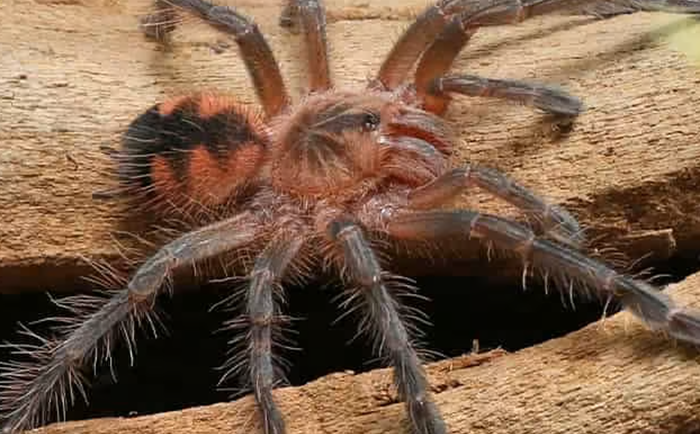
Let’s begin by addressing the big question: What makes this tarantula so special? The answer lies in its striking appearance. The Purple Starburst Birdeater (scientific name Psalmopoeus cambridgei) is recognized for its vibrant orange body adorned with bold black patterns, making it look like it stepped straight out of a fantasy world.
While the name may suggest purple hues, this tarantula features a beautiful orange coloration, with dark, intricate markings covering its body. The contrast between its orange-grey legs and the black patterning on its carapace gives it an almost otherworldly look. However, it’s not just its appearance that catches the eye. This tarantula is also known for its aggressive temperament and lightning-fast movements. It’s certainly not the kind of tarantula you’d want to casually handle, but for those seeking excitement and challenge, this arachnid is a perfect fit!
Physical Appearance and Behavior:
Coloration: A Stunning Contrast
The Purple Starburst Birdeater Tarantula isn’t purple at all; instead, it boasts a deep orange body with striking black markings that cover its carapace and abdomen. These dark patterns, along with the soft, velvety texture of its legs (which are orange-grey), make it a visually captivating creature. While it’s not known for blending into its environment, its dazzling appearance is undoubtedly a standout in the tarantula world.
As an added bonus, the rich hues of orange and the sharp black markings almost make it resemble a living piece of artwork.
Size: Impressive and Agile
Despite its impressive size, the Purple Starburst Birdeater Tarantula doesn’t disappoint. Adult females can grow up to 7 inches (18 cm) across, with males being somewhat smaller in comparison. Despite their large size, they are quick and nimble, scuttling across their habitat with surprising speed. Watching one move can be a truly intimidating experience due to its size and agility.
Habitat and Range: Where Do They Live?
The Purple Starburst Birdeater Tarantula is native to the rainforests of Central and South America, especially in countries like Panama and Costa Rica. In these lush environments, it finds plenty of hiding spots and abundant prey, which is why it thrives in captivity when the conditions are replicated.
You won’t find this tarantula hanging out in the open. In fact, it’s a terrestrial species, meaning it spends most of its time on the ground, in burrows, or within the underbrush. It prefers humid, warm environments, often taking shelter in dense foliage where it can hunt and hide from potential predators.
Feeding Habits: What Does It Eat?
The Purple Starburst Birdeater Tarantula isn’t picky when it comes to food. In the wild, it preys on insects, small rodents, and occasionally even small birds. It’s called a birdeater because of its occasional preference for bird prey, although it’s not a regular feature in its diet.
In captivity, you’ll typically feed it crickets, cockroaches, and mealworms. Some owners have even reported that their tarantulas are capable of eating larger prey, like mice or small frogs. If you’re thinking about keeping one of these tarantulas as a pet, make sure you have a variety of live prey to offer – they’re fast hunters and won’t wait around for food.
How to Care for Your Purple Starburst Birdeater Tarantula
Now that you know a bit about the Purple Starburst Birdeater’s natural habits and features, let’s get into how to care for one if you plan to make it part of your collection.
1. Setting Up the Enclosure:
Creating a comfortable environment is essential for your tarantula’s well-being.
Tank Size: Aim for a 10-gallon tank or larger for adults. You need plenty of space for them to move around.
Substrate: Use coconut fiber, peat moss, or a mix of both to mimic its natural habitat. The substrate should be deep enough to allow your tarantula to dig and burrow.
Temperature and Humidity: Keep the temperature around 75-85°F (24-29°C) and the humidity at 70-80%. A heat lamp or mat can help, but make sure the tank isn’t too hot.
Hiding Spots: Add plenty of hiding spots like logs or caves, as the Purple Starburst Birdeater enjoys staying out of sight most of the time.
2. Feeding Your Tarantula:
Feeding is straightforward. As mentioned, your tarantula will enjoy a diet of live insects. Feed it a few crickets or cockroaches twice a week, or more if it’s very active. Avoid overfeeding, as it can cause molting issues or other health problems.
3. Handling:
While Purple Starburst Birdeaters are beautiful creatures, they’re not the kind you should handle often. They’re fast and aggressive, and they’ll use their speed to escape if you’re not careful. Plus, their bites can cause severe pain (though they’re rarely deadly to humans). It’s best to admire this spider from a distance and avoid handling unless absolutely necessary.
Interesting Facts About the Purple Starburst Birdeater
Lifespan: Female Purple Starburst Birdeaters can live up to 12-15 years, while males have a shorter lifespan of around 3-5 years.
Venom: While not dangerous to humans, the venom of this tarantula helps it subdue prey. The venom is potent for smaller animals but not harmful to us.
Speed and Agility: These tarantulas are incredibly fast, both on the ground and when climbing. This makes them great hunters but also challenging to keep in captivity.
Conclusion
The Purple Starburst Birdeater Tarantula is a fascinating, beautiful, and unique creature that adds a touch of mystery to any collection. With its stunning purple coloration, impressive size, and dynamic hunting behavior, it’s a great choice for seasoned arachnid enthusiasts.
If you’re thinking about getting one, just make sure you’re ready for the challenge. They’re not the easiest tarantulas to care for, but with the right setup and some knowledge, you can enjoy watching this arachnid thrive in your home.
So, what do you think? Would you dare to care for one of these stunning spiders?
Related topics: