
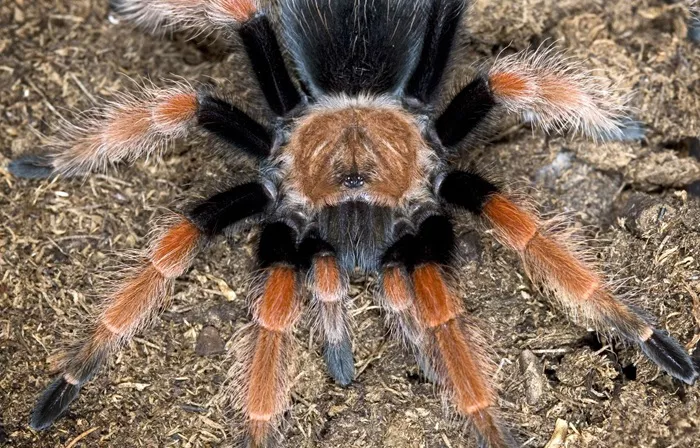
If you’re a proud owner of a Mexican Red Knee Tarantula (Brachypelma smithi), you might find yourself wondering how long your pet can go without food. After all, these fascinating arachnids are known for their hardy nature, but how tough are they when it comes to food scarcity? This is a question many tarantula enthusiasts have, especially when dealing with a pet that is often left alone for extended periods, or during molting cycles when they may lose their appetite. Understanding the tarantula’s dietary needs and survival mechanisms can give you a better insight into their care and well-being.
In this article, we’ll explore the intriguing ways Mexican Red Knee Tarantulas survive without food, what factors affect their hunger, and the general guidelines for feeding these spiders to ensure they thrive.
Understanding the Mexican Red Knee Tarantula
What Makes the Mexican Red Knee Tarantula Unique?
The Mexican Red Knee Tarantula is a species native to the dry regions of Mexico, where the climate is often harsh and unpredictable. This tarantula is known for its striking appearance, with bright orange-red knees that contrast sharply with its black body. It’s a slow-moving, docile spider that makes an excellent pet for tarantula enthusiasts.
Are They Tough Enough to Survive Without Food?
Absolutely. These tarantulas have evolved to endure long periods without food. In their natural habitat, they may experience times when prey is scarce, and they must rely on their ability to survive without frequent meals. But how do they manage this? To understand this, we need to look deeper into the tarantula’s biology.
How Long Can a Mexican Red Knee Tarantula Go Without Food?
Tarantulas, in general, are known for their slow metabolism. This means they can go without food for extended periods, especially when they are not actively growing or reproducing. A well-fed Mexican Red Knee Tarantula can survive for several weeks to a few months without food under optimal conditions.
Factors That Affect Their Ability to Go Without Food
Age and Size: A younger tarantula with a smaller body mass will generally need more food and will not be able to go as long without it. Older, larger tarantulas, on the other hand, have more reserves to last longer without food.
Temperature and Humidity: Environmental conditions play a major role. If the habitat is too cold, the tarantula’s metabolism slows down, and it might need less food. If the humidity levels are high, they might also be able to endure longer without eating because they are not expending as much energy to maintain hydration.
Health and Stress Levels: A healthy, stress-free tarantula will survive longer without food compared to a stressed or unhealthy one. Stress, such as a drastic change in environment or handling, can reduce their ability to go without food.
Molting Cycle: During molting, which is a process where a tarantula sheds its exoskeleton, it can go without food for weeks. This is because their body is focused on rebuilding and regrowing their new exoskeleton, and they typically stop eating in the days leading up to the molt.
The Role of Water
Even though they can survive without food for a long time, tarantulas still need water to survive. Water is essential for their survival and helps them maintain hydration, which is crucial for their digestion and overall health. A tarantula can go longer without food than water, but it should always have access to fresh water.
What Happens When a Mexican Red Knee Tarantula Doesn’t Eat?
When a tarantula is deprived of food for an extended period, several things can happen:
Reduced Activity: They will likely become less active, conserving energy.
Weight Loss: You might notice a decrease in size, but this will only become apparent if the tarantula has gone without food for a significant time.
Molting Preparation: Sometimes, a tarantula will stop eating as part of its preparation to molt. During this time, it could go without food for up to a month or more.
Warning Signs to Watch For
If your tarantula has gone without food for a long period and is showing signs of excessive lethargy, weight loss, or dehydration, it’s important to check if they are hydrated and adjust their environment. If the situation doesn’t improve, a visit to a veterinarian experienced with exotic pets might be necessary.
How to Ensure Your Mexican Red Knee Tarantula Gets the Right Nutrition
Proper Feeding Schedule
Mexican Red Knee Tarantulas are opportunistic feeders, meaning they eat when prey is available. In captivity, they should be fed 1-2 times per week depending on their age and size. Juveniles need more frequent meals, while adult tarantulas can go longer between feedings.
What to Feed Your Tarantula
These tarantulas eat a variety of live prey, including crickets, mealworms, and locusts. Some tarantula owners also feed them pinky mice, but it’s important to note that this should be given sparingly due to the risk of obesity. Always ensure the prey is appropriately sized—too large, and it could harm the tarantula during a struggle.
Food Size and Frequency
As a rule of thumb, the prey item should be no larger than the size of the tarantula’s body. Too large of a meal can cause digestive issues or result in injury if the prey fights back. Also, adjust the frequency of feeding based on your tarantula’s age. Juvenile tarantulas eat more often, while adults can be fed once a week or even once every 10-14 days.
Treating the Feeding Area
When feeding your Mexican Red Knee Tarantula, make sure the enclosure is free from any disturbances. The tarantula will appreciate a calm environment and may not feed if it feels threatened or stressed. Always use tongs to place food in the tank, as handling the prey with your hands could potentially lead to bites or injury.
Conclusion
While the Mexican Red Knee Tarantula can survive for weeks or even months without food, it is important to ensure they are well-fed and hydrated during their normal feeding cycles. Their ability to go without food is due to their low metabolism and adaptability, but they still require access to water and a proper environment to remain healthy.
If you notice your tarantula is refusing food for an extended period, take into account factors such as molting cycles, environmental conditions, or stress levels. Don’t forget that a healthy diet is key to ensuring your tarantula’s long-term well-being.
Related topics: