
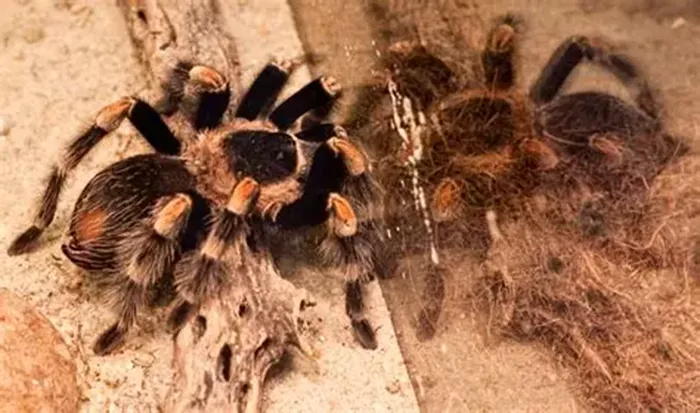
Tarantulas, with their fascinating behavior and exotic looks, have become increasingly popular among pet enthusiasts. But when it comes to choosing one for your home, the question often arises: should you go for a male or female tarantula? It’s an intriguing dilemma that many tarantula keepers face. In this article, we’ll break down the key differences between male and female tarantulas and help you make an informed decision on which might make the best pet for you.
The Core of the Debate
If you’re thinking about keeping a tarantula as a pet, the first question you might have is, “What’s the difference between male and female tarantulas?” At first glance, they may seem similar, but they come with distinct characteristics, especially when it comes to behavior, lifespan, and care requirements.
Size Matters: Male vs. Female Tarantulas
Male Tarantulas: Typically, males are smaller than females. The size difference is one of the first noticeable things you’ll see between the two. Male tarantulas generally have a more slender body and longer legs, especially when compared to females. This is because their main goal in life is to find a mate, so they’re built for speed and agility.
Female Tarantulas: On the other hand, females are usually larger and more robust. They have a thicker abdomen and broader body, making them look more substantial. If you want a tarantula with a bit more of a presence, the female is likely your choice.
Why Does Size Matter?
If you’re new to keeping tarantulas, the size difference can play a role in your decision. Females are hardier and less prone to stress compared to males. Smaller males are more active and tend to be more skittish, which could make them more challenging to handle. So, if you’re after a pet that’s less likely to dart around and is a bit more predictable, a female might be a better choice.
Lifespan: How Long Will Your Tarantula Live?
One of the most significant differences between male and female tarantulas is their lifespan.
Male Tarantulas: Unfortunately, male tarantulas have a much shorter life expectancy. Most male tarantulas live between 3 to 5 years. Their life is essentially a race against time — they spend most of it searching for a mate. Once they mature and mate, they typically die within a year. This means that if you get a male tarantula, you may only have a few years to enjoy its company before it passes on.
Female Tarantulas: Females, on the other hand, can live a lot longer, often up to 20 years or more depending on the species. This makes female tarantulas more long-term companions. If you’re someone looking for a pet that can be part of your life for a long time, a female might be the better choice.
Behavior: Are They More Active or Shy?
The behavior of male and female tarantulas can also vary significantly.
Male Tarantulas: As mentioned earlier, males are usually smaller and more active. They are constantly on the move, driven by the instinct to find a mate. This makes them more skittish and unpredictable compared to females. Males might not be as easy to handle because they often try to escape or burrow away in an attempt to find a mate. This could be frustrating if you’re looking for a more laid-back pet.
Female Tarantulas: Females, in contrast, tend to be more sedentary and less prone to running away or hiding. They are often content to remain in one spot and may even establish a burrow or webbing area in their enclosure. This can make female tarantulas easier to observe and manage. They are more tolerant of handling, especially if they’re raised in captivity.
Feeding Habits: Are Males or Females Hungrier?
Feeding habits are another factor that might influence your decision.
Male Tarantulas: Males generally eat less than females, especially as they mature. This is because they spend much of their energy searching for a mate rather than focusing on food. You might find that your male tarantula isn’t as eager to eat, especially during its mating season.
Female Tarantulas: Females, however, tend to eat more regularly. Because they need more energy to sustain their larger bodies and longer lifespans, they are usually more enthusiastic about food. This means that they might be easier to care for when it comes to feeding schedules.
Breeding: The Importance of Gender
If you’re not planning on breeding your tarantula, this section may not be that relevant to you. However, it’s important to note that only females can breed and lay eggs. Males, after reaching maturity, typically seek out females to mate with, but once that’s done, they generally don’t have much to offer in terms of long-term companionship.
Handling: Which is Easier to Care For?
Handling a tarantula might not be on your priority list, but it’s still something worth considering if you plan on interacting with your pet regularly.
Male Tarantulas: Males can be more difficult to handle because they are often more nervous and skittish. Their constant search for a mate can make them more agitated, and they’re more likely to try to escape their enclosures or avoid being handled altogether.
Female Tarantulas: On the other hand, females are typically much calmer and more tolerant of handling. They don’t have the same drive to mate, which means they’re generally easier to manage. If you want a pet you can interact with, a female tarantula will likely be the better option.
Conclusion
Choosing between a male or female tarantula depends on several factors, including how long you want your pet to live, how much handling you plan on doing, and how active you prefer your pet to be.
Go for a Male Tarantula: If you’re looking for a smaller, more active pet and don’t mind that it won’t live as long. Males can be exciting to watch due to their restless behavior, but they require more careful attention.
Go for a Female Tarantula: If you want a long-term pet, are looking for something easier to handle, and prefer a calmer, less skittish tarantula. They may not be as active as males, but they make up for it in longevity and ease of care.
Related topics: