
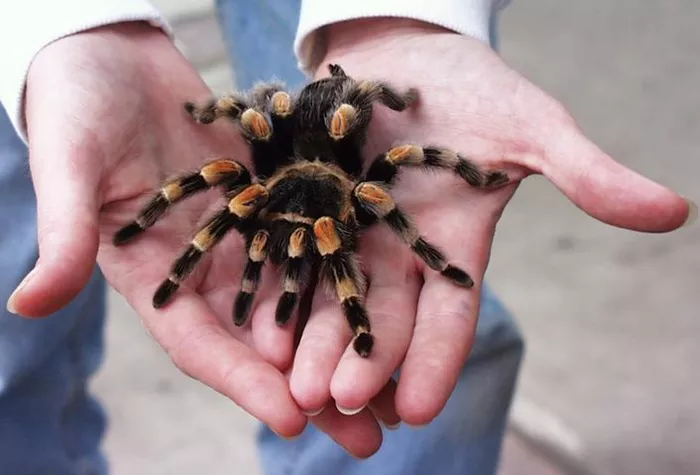
If you’re considering adopting a Mexican Red Knee Tarantula, you may be wondering about their behavior in captivity—specifically, their webbing habits. Do these beautiful, docile spiders spin webs constantly, or are they more minimalist in their approach? In this article, we will explore whether Mexican Red Knee Tarantulas are heavy webbers, what influences their webbing, and how understanding this behavior can help you create a better environment for them in your home.
Introduction
Mexican Red Knee Tarantulas, also known as Brachypelma smithi, are one of the most popular species of tarantulas kept as pets. Known for their striking red-orange knee markings and docile nature, they’re a favorite among both beginners and seasoned arachnid enthusiasts. However, their behavior in captivity can sometimes be a mystery, especially when it comes to their webbing habits. Some spiders are known to create elaborate webs, while others might prefer to keep things simple.
So, what about the Mexican Red Knee Tarantula? Are they heavy webbers, or do they keep things minimal? Let’s dive deeper into their natural behavior and what you can expect when keeping one of these fascinating creatures.
The Natural Habitat of the Mexican Red Knee Tarantula
To understand how much webbing you can expect from a Mexican Red Knee, it’s important to first look at their natural habitat. Native to Mexico, specifically the dry, scrubby areas, and forests, these tarantulas tend to live in burrows. They don’t build large, intricate webs like some other spider species, such as orb-weavers, but they do use silk in a variety of ways.
In the wild, they use silk primarily to reinforce their burrow entrances and to help line their retreats. This silk serves a protective function, keeping them hidden from predators and providing a place to rest. It’s also useful for capturing prey, as the silk can help trap insects that wander too close to their hideout.
Webbing in Captivity: What Can You Expect?
In captivity, Mexican Red Knee Tarantulas follow a similar pattern. While they do produce silk, their webbing is not as extensive or elaborate as some other tarantulas. These tarantulas don’t typically spin large webs for hunting purposes. Instead, they use their silk to build a simple “platform” inside their burrow or hide. This platform may be used as a place to rest or as a subtle defense mechanism, making it harder for prey to reach them.
Because of their preference for burrowing, you won’t see them building long, complex webs like those of other species. However, they will occasionally use silk to create a mat in their retreat, which can help them feel more secure. Over time, you may notice that they line the entrance of their burrow with silk, creating a barrier that they can feel through vibrations.
Webbing Behavior: Not Always as Active as Other Species
Mexican Red Knee Tarantulas are not considered heavy webbers compared to other tarantulas. For instance, species like the Avicularia or Psalmopoeus tarantulas are known for their prolific webbing and will build elaborate structures in their enclosures. On the other hand, Mexican Red Knee Tarantulas will typically only spin a small amount of silk unless they feel the need for it.
For example, if you notice your tarantula’s burrow becoming too exposed, it may start to use its silk to cover the entrance, creating a more concealed and secure environment. This is often the extent of their webbing habits—mainly used for security and comfort rather than hunting or territorial marking.
Factors That Influence Webbing in Mexican Red Knee Tarantulas
While Mexican Red Knee Tarantulas don’t web heavily, there are certain factors that can influence how much silk they produce. Let’s explore these factors:
Environment
Tarantulas are highly sensitive to their surroundings. If you provide an enclosure that mimics their natural habitat, with ample space for burrowing and a hiding spot, you may see more webbing. These spiders feel safer when they have options to conceal themselves, and webbing helps them do that. The more secure they feel, the more they may use silk to reinforce their home.
Humidity and Temperature
Like all tarantulas, Mexican Red Knees are sensitive to humidity and temperature. A dry environment may reduce the amount of webbing they produce, as they won’t feel the need to protect themselves as much. On the other hand, if the environment is more humid, you may see an increase in their webbing activity.
Molting
Webbing also plays a role in molting. Tarantulas use silk to create a stable surface on which they can shed their old exoskeleton. If your tarantula is preparing to molt, you may see them spin a small webbed platform or mat.
Age and Behavior
Juvenile Mexican Red Knee Tarantulas may web more actively as they are still developing and may feel the need to create a safe, protective environment. Adult tarantulas, however, tend to web less and focus more on maintaining their burrows.
Creating the Right Environment for Your Tarantula’s Webbing
If you’re aiming to provide an environment that encourages your Mexican Red Knee Tarantula to produce silk, there are a few key elements to keep in mind:
Substrate: Use a substrate that allows for easy burrowing, such as coconut fiber or peat moss. This gives your tarantula the opportunity to create its burrow and use silk for reinforcement.
Hide: Provide a hide for your tarantula to retreat into. A simple plastic or ceramic hide will do. This is where your tarantula will most likely web the entrance.
Humidity: Keep the humidity level in the range of 60-70%, and mist the enclosure lightly every few days. Be sure to avoid excessive moisture, as Mexican Red Knees come from drier habitats.
Space: Mexican Red Knee Tarantulas appreciate a spacious enclosure with plenty of room to roam. Overcrowding can stress them, which might affect their webbing behavior.
Why Webbing Isn’t a Major Concern for Mexican Red Knee Tarantulas
If you’re not seeing much webbing from your Mexican Red Knee Tarantula, there’s no need to worry. These tarantulas are not known for being heavy webbers, and their lack of webbing is simply a part of their natural behavior. As long as they have a suitable environment with enough space, substrate, and a hide, they will thrive.
It’s also important to remember that Mexican Red Knee Tarantulas are not arboreal, so their need for elaborate webs is not as essential as it might be for tree-dwelling species. Their behavior is more about comfort and security than creating a webbed fortress for hunting or protection.
Conclusion
In conclusion, Mexican Red Knee Tarantulas are not heavy webbers. They use silk primarily to create a safe and secure environment for themselves, such as reinforcing their burrow entrance or creating a mat to rest on. While they may occasionally web more when preparing for a molt or if they feel threatened, their webbing habits are generally minimal. As a pet owner, you don’t need to worry about providing a complex webbed structure—simply create a comfortable and secure habitat, and your Mexican Red Knee Tarantula will be happy.
Related topics: