
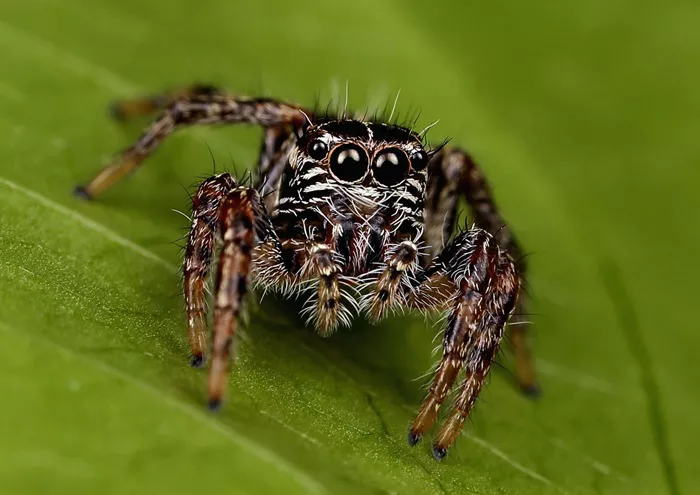
Tarantulas are one of the most fascinating and misunderstood creatures in the animal kingdom. Many people are both afraid of and curious about these large spiders. One common question that often comes up is: Are all tarantulas poisonous? In this article, we will explore this question in detail. We will learn what tarantulas are, how their venom works, whether all of them are poisonous, and what their bites mean for humans. We will also discuss their behavior, habitats, and interesting facts to help you understand these remarkable creatures better.
What Are Tarantulas?
Tarantulas belong to a group of spiders known as Theraphosidae. These spiders are famous for their large size, hairy bodies, and often intimidating appearance. Tarantulas can be found all over the world, especially in warm climates like the Americas, Africa, Asia, and Australia.
Unlike many other spiders, tarantulas are not quick runners or jumpers. They usually move slowly and rely on their size and strength to catch prey. They feed mainly on insects, but some large species can even eat small animals like frogs, mice, and birds.
Are All Tarantulas Venomous?
The short answer is yes — all tarantulas have venom. Tarantulas use their venom primarily to kill or paralyze their prey. Without venom, they would struggle to catch and eat the animals they hunt.
However, the venom of tarantulas varies in strength depending on the species. Some have stronger venom, while others have venom that is very mild. The venom helps tarantulas digest their prey by breaking down the tissues.
How Strong Is Tarantula Venom?
The venom of tarantulas is generally not dangerous to humans. Most tarantula bites cause pain, swelling, and irritation similar to a bee sting. Some people might have allergic reactions, but severe reactions are very rare.
Here are some points about tarantula venom strength:
- Tarantula venom is designed to kill insects and small animals, not large animals or humans.
- The venom affects the nervous system of the prey, causing paralysis.
- For humans, the bite might feel painful but is rarely harmful beyond local pain and swelling.
- Some species have venom that is more potent and can cause more discomfort, but fatalities or serious injuries from tarantulas are virtually unheard of.
Why Do People Think All Tarantulas Are Dangerous?
Tarantulas look scary because they are big, hairy, and have large fangs. This appearance makes many people afraid of them. Also, movies and stories often show tarantulas as dangerous creatures.
But in reality, tarantulas are not aggressive. They only bite if they feel threatened or cornered. Most tarantulas prefer to run away or use other defense methods before biting.
How Do Tarantulas Defend Themselves?
Besides their venom, tarantulas have other ways to protect themselves:
Urticating Hairs
Many tarantula species, especially those from the Americas, have special hairs on their abdomen called urticating hairs. These hairs are barbed and can irritate the skin, eyes, and mucous membranes of predators.
When threatened, the tarantula will kick these hairs off its abdomen into the air. This is often enough to scare away animals or humans who are too close.
Threat Posture
If a tarantula feels threatened, it may raise its front legs and show its fangs to appear bigger and more dangerous. This is usually a warning to stay away.
Running Away
Tarantulas prefer to avoid danger. They will usually run or hide rather than fight.
Are There Any Tarantulas That Are Dangerous to Humans?
No tarantula species is known to have venom lethal to humans. Unlike some other spiders like the black widow or brown recluse, tarantula venom is generally mild.
However, some large species can deliver a painful bite due to their strong fangs. Also, the urticating hairs can cause skin irritation or eye problems if they get into the eyes.
People with allergies to insect bites or stings may have stronger reactions to tarantula bites, but these cases are uncommon.
What Happens If a Tarantula Bites You?
If a tarantula bites a person, they can expect pain and swelling at the bite site, along with redness and itching. In some cases, mild muscle cramps or nausea may occur, while rare allergic reactions could require medical attention.
Most bites heal on their own without complications. It’s important to clean the bite area and watch for signs of infection.
Are All Spider Venoms the Same?
No, not all spider venoms are the same. Different spiders have different types of venom. Tarantula venom is different from the venom of black widows, funnel-web spiders, or brown recluses.
Tarantula venom is mostly made up of proteins that target the nervous system of insects. It is usually less toxic to mammals.
What Should You Do If You Find a Tarantula?
If you find a tarantula in the wild or at home, it’s important not to panic or try to kill it, as tarantulas are generally not aggressive. Keep a safe distance and avoid touching or provoking the spider. If you need to move it, use a container or a soft brush to gently guide it outside, and wear gloves if handling is necessary. Above all, observe and appreciate these creatures as part of the natural world.
Fun Facts About Tarantulas
Tarantulas can live for many years, with some females reaching up to 20 years. They are able to regrow lost legs after molting. Despite their scary appearance, tarantulas help control insect populations, and some species communicate by vibrating their bodies or drumming their legs.
Conclusion
All tarantulas are venomous, but not all are harmful to humans. Their venom is used primarily for catching prey and for self-defense. tarantulas venom is generally mild, causing pain similar to a bee sting. They also have other means of defense, such as stinging hairs. If you encounter a tarantulas, don’t worry too much. tarantulas are not aggressive and rarely bite. What’s more, the venom of any tarantulas is not lethal to humans. At the same time, proper care and respect can help avoid problems associated with tarantulas.
If you want to learn more about tarantulas or have any questions, feel free to ask. These spiders are amazing creatures that deserve respect and understanding rather than fear.
Related topics