
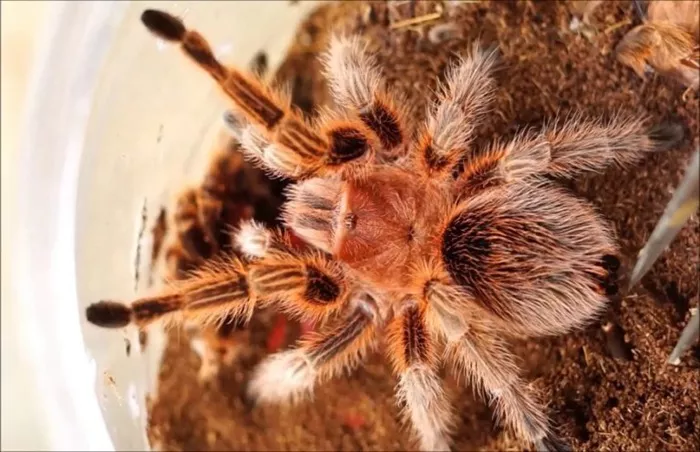
Have you ever wondered how a Chilean Rose Tarantula (Grammostola rosea) grows? You might think they just get bigger as they age, like any other animal. But there’s something quite unique about how these spiders—along with many other arachnids—grow. Their process involves a fascinating ritual: molting. If you’re a pet owner or simply a fan of tarantulas, you won’t want to miss this deep dive into what happens when a Chilean Rose Tarantula sheds its skin. It’s not just a simple change; it’s a crucial, complex process that requires care and understanding. Let’s explore!
What Is Molting?
Molting, also called ecdysis, is the process in which a tarantula sheds its old exoskeleton, or “skin,” and grows a new, larger one. You can think of this like a snake shedding its skin, but there’s a big difference. While a snake just sloughs off its old skin, the tarantula’s molting process is a bit more involved. This process happens regularly, especially when the spider is young and still growing.
The Science Behind Molting
Now, let’s get a little technical. Tarantulas, like all arthropods, have an exoskeleton made of chitin. This hard outer layer is what protects their soft, vulnerable body. However, this exoskeleton doesn’t grow with them. So, to get bigger, they need to shed it and create a new, larger one. Imagine you have a suit of armor that’s too tight—molting is like getting a fresh, custom-fit suit!
The Molting Cycle: Step by Step
When a Chilean Rose Tarantula is ready to molt, it goes through several stages. Let’s break it down, step-by-step, so you can better understand how the process works.
1. Pre-Molt: The Waiting Game
Before the actual shedding occurs, your tarantula will go through a “pre-molt” phase. This is the stage where things slow down. You might notice your Chilean Rose Tarantula becoming less active. It may hide more, and its appetite may decrease or disappear altogether. It’s almost like the tarantula is preparing for a big event and needs to take it easy.
During this period, you might also see a dulling of its color. The skin will look more opaque, and the spider’s body may appear to shrink slightly. This is all a sign that the molting process is imminent. The tarantula’s body is gearing up to shed the old skin.
2. The Actual Molt: Shedding the Old Skin
This is where the magic happens! After the pre-molt phase, the spider will flip onto its back, preparing to start the shedding. It’s like peeling an orange—except the tarantula’s entire exoskeleton comes off in one piece, with the spider emerging underneath, still soft and vulnerable.
For the Chilean Rose Tarantula, this process usually takes several hours. During this time, it’s important not to disturb the tarantula. Interrupting it could lead to complications or injury, as it needs its full concentration to get out of the old shell.
3. Post-Molt: Soft and Vulnerable
Once the old exoskeleton is off, your tarantula is left with a soft, almost translucent new skin. This is a very fragile time for your Chilean Rose Tarantula. It’s not yet able to defend itself or hunt effectively. It needs a few hours (or even up to a day) to let the new skin harden and strengthen.
You can compare this to a newborn coming into the world—it’s still developing and isn’t quite ready for the real world yet. During this post-molt period, your tarantula may hide even more than usual, staying out of sight as it recovers.
Why Is Molting So Important for Your Chilean Rose Tarantula?
Molting is vital for your Chilean Rose Tarantula’s growth and survival. Without it, the tarantula wouldn’t be able to grow, or worse, it could become trapped in its old exoskeleton. Let’s explore why molting is such an important event in your spider’s life:
1. Growth
Just like humans outgrow their clothes, tarantulas outgrow their exoskeleton. After each molt, the spider’s body is bigger and stronger, allowing it to hunt larger prey and live a healthier life.
2. Healing and Regeneration
Molting also serves as a way for the tarantula to heal itself. If your Chilean Rose Tarantula has sustained any minor injuries or if there is any damage to its limbs or other parts, molting provides a chance for these to regenerate. For example, if a leg was lost or damaged, the spider might regrow it after a few molts.
3. Renewal of Strength and Vitality
Molting removes old, worn-out skin, dirt, and debris from the tarantula’s body. This helps it stay strong and healthy, preventing infections or blockages in its vital systems.
How to Tell When a Chilean Rose Tarantula Is About to Molt
If you’ve ever owned a Chilean Rose Tarantula, you may have noticed that they are masters of camouflage. Their behavior and physical appearance often change when they are about to molt. Here are a few things to look for:
1. Changes in Behavior
When your tarantula is approaching a molt, it will slow down. It might spend more time in its burrow or hide under rocks, and it might stop eating for a while. This is completely normal, but it’s also an important signal for you to avoid disturbing it during this time.
2. Physical Changes
Look for a dulling of color and opacity in the spider’s body. It’s almost like watching your tarantula go from vibrant to a slightly muted color, almost as though it is fading away. This is a sure sign that it’s getting ready for a molt.
What Should You Do During the Molt?
If you’ve got a Chilean Rose Tarantula and it’s in the midst of a molt, the best thing you can do is to leave it alone. Don’t try to help or interfere. It’s tempting to want to check on your pet, but this is a delicate process, and the tarantula needs space to go through it without stress.
Here are some tips on how to handle the molt process:
1. Ensure a Safe Environment
Make sure your tarantula’s tank is clean and free from any debris that could interfere with the molt. It’s important that your tarantula has enough room to move and is in a secure, quiet environment where it feels safe.
2. Provide Proper Humidity
Humidity is crucial for the success of the molt. If the environment is too dry, the tarantula may struggle to shed its skin properly. Maintain a humidity level of 60-70% in the tank to help your Chilean Rose Tarantula through the process.
3. Don’t Disturb the Molt
The most important rule: never disturb the tarantula while it’s molting. It might be tempting to watch, but the process requires concentration, and even a slight interruption can be harmful. Keep your distance, and allow it the space and time it needs.
What to Do After the Molt?
Once the molt is complete, your tarantula will still need some time to adjust. Here are some things to do after the molt:
1. Check for Injuries
Once your tarantula has had time to harden, gently check for any signs of injury. Make sure its legs are moving correctly and that there are no obvious signs of malformation.
2. Wait Before Feeding
It’s important to wait at least a few days after a molt before offering food to your Chilean Rose Tarantula. Its new exoskeleton needs time to harden, and feeding too soon can lead to injury or discomfort.
Conclusion
Molting is a spectacular and essential process for a Chilean Rose Tarantula. It’s not just a simple shedding of skin but a time of growth, healing, and renewal. As a pet owner, understanding what happens during a molt will help you take better care of your tarantula, ensuring it thrives and grows to its full potential.
So, the next time you notice your Chilean Rose Tarantula slowing down, keep a close eye. It’s getting ready to go through one of the most critical transformations of its life!
Related topics: