
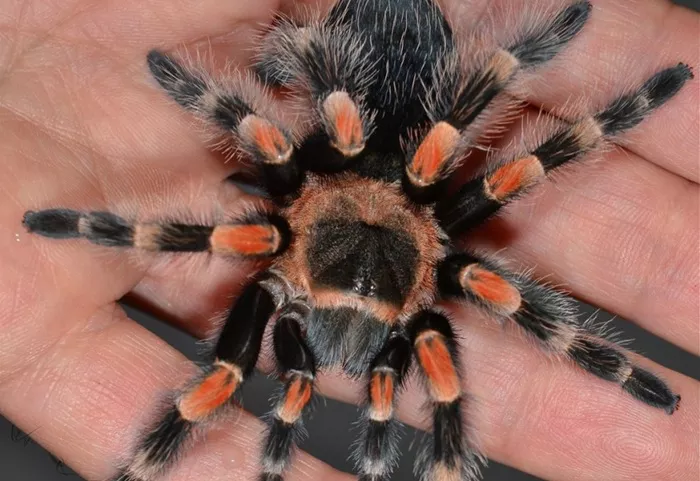
Tarantulas might seem intimidating at first glance, but they’re actually fascinating creatures that many people find irresistible. Among the most popular species in the tarantula community is the Mexican Red Knee Tarantula (Brachypelma smithi), a pet that is adored for its stunning colors and docile temperament. If you’ve ever wondered about owning one of these exotic pets, this article will guide you through everything you need to know about Mexican Red Knee Tarantulas for sale, from where to buy them to how to care for them once they are in your home.
Why Choose the Mexican Red Knee Tarantula?
Before you rush into buying a Mexican Red Knee Tarantula, it’s essential to understand what makes this species so special. If you’re looking for a tarantula that is not only visually appealing but also relatively easy to handle, then the Mexican Red Knee Tarantula is an excellent choice.
Think of it like choosing between a cat and a dog. While both are wonderful pets, they have different temperaments and care needs. Similarly, in the tarantula world, the Mexican Red Knee stands out because of its calm nature, making it a suitable choice for beginners.
Appearance: A Beauty in Red and Black
When you first see a Mexican Red Knee Tarantula, its appearance will leave a lasting impression. The most striking feature of this species is its bold red-orange markings on the knees (hence the name). These colors contrast beautifully with the dark, black body of the tarantula, giving it an almost regal appearance.
As it matures, the tarantula can grow up to 6 inches (15 cm) in leg span, which is quite large compared to other species. While some might be intimidated by its size, don’t worry—these tarantulas are slow-moving and more interested in hiding than attacking. So, think of it as owning a pet with a bit of flair, but without the aggressive temperament!
Are Mexican Red Knee Tarantulas Good Pets?
The Mexican Red Knee Tarantula is often praised for being one of the most beginner-friendly species. Unlike other tarantulas, this one is less likely to show aggression and has a relatively docile temperament, making it ideal for those who are new to the world of tarantulas.
When you bring one of these tarantulas into your home, you’ll be amazed at how calm they are. They don’t typically bite unless they feel threatened, and even then, they prefer to flee rather than fight. If you’re wondering whether they’re a good pet for kids, the answer is yes—provided the child is old enough to understand how to treat the tarantula with respect.
The Life of a Mexican Red Knee Tarantula
These tarantulas can live up to 30 years in captivity, with females generally living longer than males. When compared to many other exotic pets, this lifespan is impressive! It’s like adopting a long-term companion, one that will grow with you.
Their growth can be slow, and they molt several times throughout their lives as they grow larger. While this process can be fascinating to watch, it’s also important to remember that their needs change as they mature.
Buying a Mexican Red Knee Tarantula: What to Expect
If you’re considering purchasing a Mexican Red Knee Tarantula, there are several factors to keep in mind to ensure you’re making an informed choice.
Where to Buy
The Mexican Red Knee Tarantula is widely available for sale through various sources:
Reptile Stores: Many pet stores, especially those specializing in reptiles, offer these tarantulas. It’s always a good idea to visit the store in person to inspect the tarantula and ask questions about its health.
Online Reptile Dealers: Websites dedicated to reptile sales often feature Mexican Red Knee Tarantulas for sale. Be sure to check reviews and ratings to make sure you’re buying from a reputable seller.
Breeders: If you’re looking for a healthy tarantula with a proven lineage, breeders are the best option. They can often provide more detailed care information and insight into the tarantula’s temperament.
When you buy your tarantula, ensure that the seller is reputable. You should always ask for information about its age, health, and the conditions it has been living in.
Price Range
A Mexican Red Knee Tarantula for sale can range from $50 to $200 depending on various factors, such as age, size, and lineage. Baby tarantulas (also known as slings) are typically less expensive than adults, but they require more care and patience to grow.
While it might seem like a large initial investment, the long lifespan and low maintenance costs of a tarantula make it a relatively affordable pet in the long run.
Setting Up a Terrarium for Your Mexican Red Knee Tarantula
Once you’ve got your new pet, it’s time to create the perfect environment for it. A well-maintained terrarium is crucial for the health of your Mexican Red Knee Tarantula.
Choosing the Right Tank
The Mexican Red Knee Tarantula doesn’t need a huge enclosure, but it should still be spacious enough to allow the tarantula to move around comfortably. A 10-gallon tank is usually sufficient for adults, while slings can thrive in smaller enclosures. Make sure the tank is securely closed, as these tarantulas are skilled escape artists!
Substrate and Decor
The substrate (floor material) of the terrarium is an important factor for the tarantula’s well-being. A mix of coconut fiber and peat moss works well for keeping humidity levels stable. This species prefers a dry environment, but the substrate should still hold some moisture to mimic its natural habitat.
You can add small rocks, branches, and hiding spots to the terrarium to give the tarantula a sense of security. After all, they like to hide and feel safe.
Temperature and Humidity
The Mexican Red Knee Tarantula prefers temperatures between 75°F to 85°F (24°C to 29°C) and a humidity level of 50-60%. You don’t need to provide a heat lamp, but if the room temperature is lower than 75°F, you may need to add a heating pad to the bottom of the tank.
Feeding Your Mexican Red Knee Tarantula
In the wild, the Mexican Red Knee Tarantula feeds primarily on insects, such as crickets, grasshoppers, and beetles. You can replicate this diet in captivity by offering crickets and mealworms. It’s important not to overfeed; a couple of crickets every week should suffice. Unlike mammals, tarantulas don’t eat daily, and overfeeding can lead to obesity and other health problems.
Handling Your Mexican Red Knee Tarantula
While these tarantulas are generally calm, it’s still important to handle them carefully. Always approach your Mexican Red Knee Tarantula slowly and gently, and never try to pick them up by their legs. Instead, use a soft brush to guide them into your hand or onto a surface.
Common Health Issues and How to Prevent Them
While Mexican Red Knee Tarantulas are generally hardy, they can still suffer from a few health problems if their environment isn’t set up properly. Some common issues include:
Mold: This can occur if humidity levels are too high. Ensure the substrate is well-drained, and avoid soaking it with water.
Mites: If you see tiny, moving specks on the tarantula, it could be a mite infestation. A clean tank and proper food hygiene are essential for prevention.
Dehydration: Ensure that fresh water is always available, as Mexican Red Knee Tarantulas need it to thrive.
By maintaining the right environment and diet, you can avoid most of these health issues.
Conclusion
If you’re looking for a beautiful, low-maintenance exotic pet that will impress friends and family, then the Mexican Red Knee Tarantula could be the perfect choice. Its docile nature, stunning appearance, and relatively easy care make it one of the best tarantula species for beginners.
Before making your purchase, make sure you’re prepared to provide the right environment and care for your new pet. A little research and preparation will ensure that both you and your tarantula enjoy many years of companionship.
Related topics: