
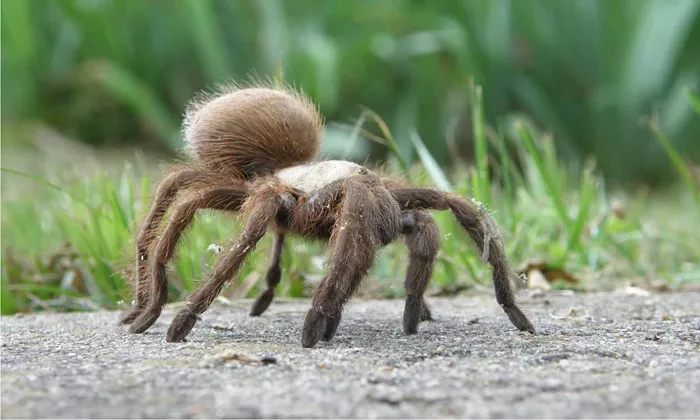
Tarantulas have long fascinated people, from their intimidating size to their unique lifestyles. Among the many species of tarantulas, the brown tarantula stands out for its distinctive appearance, captivating behavior, and intriguing natural history. Whether you’re considering adopting one as a pet or simply seeking to understand these arachnids better, this article will walk you through everything you need to know about the brown tarantula.
What Makes the Brown Tarantula Unique?
The brown tarantula is not just another ordinary spider. Its size, coloration, and behavior make it a truly fascinating creature. But what exactly sets the brown tarantula apart from other tarantula species?
Physical Appearance
Brown tarantulas can vary in appearance, but most have a distinct brown to tan coloration. Their legs are often covered with fine hairs, contributing to their furry appearance. This coloration helps them blend into their natural environment, often found in dry, secluded areas such as caves or burrows.
Size: Brown tarantulas can grow to be fairly large, with leg spans reaching up to 4-6 inches, depending on the species. While not as large as some other tarantulas, their size is still impressive when compared to common spiders.
Fur: Like many tarantulas, the brown tarantula’s body is covered with fine, bristle-like hairs. These hairs are not just for show; they also serve a critical function in defense.
Behavior and Temperament
One of the most common misconceptions about tarantulas is that they are aggressive creatures. In reality, brown tarantulas are generally calm and reclusive. Unlike other arachnids, they prefer to stay hidden rather than hunt in the open. If they feel threatened, they may raise their front legs in defense or release urticating hairs—small, barbed hairs that irritate predators.
Where Do Brown Tarantulas Live?
Brown tarantulas, like many other tarantula species, are native to specific regions. These spiders prefer environments that offer them both cover and hunting opportunities. So, where exactly do you find these fascinating creatures in the wild?
Habitat: They are often found in dry environments like deserts, grasslands, and sometimes forests. Brown tarantulas are ground-dwelling creatures and create burrows to hide in, especially during the day when they are not hunting.
Geographic Range: While tarantulas can be found across the world, the brown tarantula species is mostly found in Central and South America. Some varieties are also located in parts of Africa.
Diet of the Brown Tarantula
What does a brown tarantula eat, and how does it hunt its prey? Understanding a tarantula’s diet gives you insights into how these creatures thrive in the wild.
Carnivorous Diet
Brown tarantulas are carnivores. They primarily feed on insects, small rodents, and even other arachnids. Their method of capturing prey is simple yet effective. Tarantulas wait patiently in their burrows, using their keen senses to detect vibrations from passing prey. Once a potential meal enters their strike zone, they launch a quick attack, injecting venom into their prey to subdue it.
Prey Items: Common meals for brown tarantulas include crickets, grasshoppers, and various types of beetles. Larger tarantulas may also consume small vertebrates, such as lizards or small mice.
Feeding Habits: Unlike many other spiders, brown tarantulas don’t spin webs to catch food. Instead, they rely on their quick reflexes and powerful venom to overpower prey. Their venom is potent enough to immobilize their catch, but it is not typically dangerous to humans.
Feeding in Captivity
If you’re considering keeping a brown tarantula as a pet, their feeding habits are one of the most important factors to understand. Brown tarantulas in captivity are typically fed crickets, mealworms, or other live insects. You should avoid feeding them too much at once, as overfeeding can lead to health issues, such as obesity or molting problems.
Reproduction of the Brown Tarantula
The mating rituals of tarantulas are complex and fascinating. The brown tarantula’s reproduction process is an exciting subject for both researchers and hobbyists. Let’s break down how they reproduce in the wild and what that means in a captive setting.
Courtship and Mating
The mating process of a brown tarantula begins with an intricate courtship. The male usually taps on the female’s burrow to signal his presence. If the female is receptive, she may exit the burrow and begin a brief courtship dance. The male approaches cautiously, and once they mate, the female lays her eggs in a sac that she guards until the offspring hatch.
Egg Sac: After mating, the female lays an egg sac that contains anywhere from 50 to 200 eggs. She typically stays close to her sac, defending it from predators. The eggs hatch into small spiderlings, which are independent from birth and quickly begin to hunt.
Lifespan of the Brown Tarantula
Tarantulas are known for their impressive lifespans, and the brown tarantula is no exception. While the lifespan of these creatures can vary depending on environmental conditions, in captivity, brown tarantulas can live for several years—sometimes up to 10 years or more.
Mating and Longevity: Male tarantulas typically live shorter lives, around 2 to 5 years, as they die shortly after mating. Females, on the other hand, can live much longer, with some reaching up to 25 years in the wild.
Care of a Brown Tarantula in Captivity
If you’ve decided to keep a brown tarantula as a pet, proper care is essential. Here’s a quick guide to creating a safe and comfortable environment for your new eight-legged friend.
Tank Setup
Size: A 10-20 gallon tank should be sufficient for a single brown tarantula. Make sure the tank has a secure lid, as tarantulas can escape easily.
Substrate: Brown tarantulas prefer moist, sandy soil or coconut fiber, which mimics the earth they would burrow in. Ensure the substrate is deep enough for the tarantula to dig and create a burrow.
Temperature and Humidity
Brown tarantulas are native to warm environments, so maintaining the correct temperature is crucial. Their habitat should stay between 75°F and 85°F (24°C to 29°C), with moderate humidity (around 50-60%).
Heat Source: You can use a heat mat or lamp to keep the temperature consistent. Avoid placing the heat source directly under the tank, as this can cause uneven heat distribution.
Feeding in Captivity
As mentioned earlier, brown tarantulas should be fed live insects. Ensure the prey items are appropriately sized—too large, and your tarantula may not be able to subdue them. Make sure to feed them once every week or two, depending on the age and size of your tarantula.
Handling Brown Tarantulas
While brown tarantulas are not particularly aggressive, they don’t typically enjoy being handled. It’s best to admire them from a distance rather than attempting to pick them up. If you do need to handle them, make sure to do so gently, supporting their body, and avoid stressing them out.
Common Health Issues in Brown Tarantulas
As with any pet, brown tarantulas can experience health problems. Fortunately, these are usually easy to prevent with proper care.
Molt Problems: Molting is a natural process for tarantulas, but it can sometimes go wrong. If your tarantula fails to molt properly, it could result in injury or even death.
Feeding Issues: Overfeeding or underfeeding can cause health problems. Always ensure that you’re providing appropriate-sized prey and not feeding too often.
Conclusion
Brown tarantulas are fascinating creatures, both in the wild and as pets. With their unique physical traits, fascinating behavior, and relatively easy care, they make an excellent choice for arachnid enthusiasts. Whether you’re simply curious about these amazing creatures or considering keeping one as a pet, you now have a deeper understanding of the brown tarantula’s world.
Related topics: