
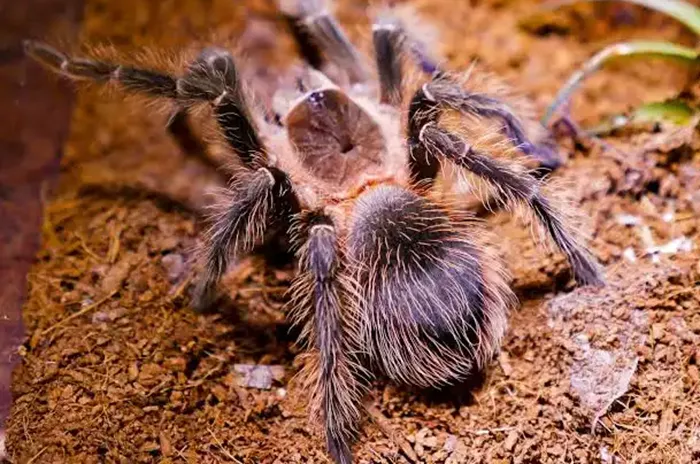
Imagine walking into a room and seeing a massive, pink-hued spider walking across the floor. No, this isn’t a Halloween prank—it’s a real creature: the Pink Salmon Tarantula. With its striking color and impressive size, this species has become a favorite among arachnid enthusiasts. But don’t let its beauty fool you—this spider comes with its own set of challenges, making it both an exciting and demanding pet.
In this article, we’ll dive deep into everything you need to know about the Pink Salmon Tarantula (scientifically named Grammostola pulchripes), from its natural habitat to care requirements. Whether you’re a novice or an experienced keeper, we’ve got you covered with simple explanations, relatable comparisons, and everything you need to enjoy keeping this magnificent tarantula.
What Is the Pink Salmon Tarantula?
The Pink Salmon Tarantula, also known as the Chaco Golden Knee, is native to the semi-arid regions of Argentina, Paraguay, and Bolivia. This species is part of the Grammostola genus, which is known for its robust and hardy tarantulas. What makes the Pink Salmon Tarantula so captivating is its combination of large size, docile temperament, and beautiful pinkish hues that shimmer in the light, making it one of the most popular species for collectors.
The Core Features of the Pink Salmon Tarantula
Let’s break down some key features of the Pink Salmon Tarantula to better understand what makes it so special:
Size: This tarantula can grow quite large, with females reaching up to 8 inches (20 cm) in leg span, while males are usually slightly smaller.
Coloration: While the name “Pink Salmon” may suggest a consistent pink color, the tarantula’s body features a blend of golden hues mixed with the salmon color, especially on its legs and abdomen.
Temperament: Known for its calm demeanor, the Pink Salmon Tarantula is less likely to show aggression. This makes it a great choice for beginners, though it’s still important to handle it with care to avoid injury.
Habitat and Natural Range
Native to the semi-arid regions of South America, the Pink Salmon Tarantula is typically found in areas with a moderate climate, characterized by low humidity and temperate temperatures. These tarantulas tend to hide in burrows or under rocks, only coming out to hunt or feed.
Key Habitat Features:
Temperature: 75–85°F (24–29°C), ideal for their survival and comfort.
Humidity: They thrive in a relatively dry environment, needing moderate humidity levels.
Substrate: In the wild, they often create burrows in sandy or loamy soils, providing a safe hiding place.
For your pet Pink Salmon Tarantula, replicating these conditions is essential for keeping them healthy and happy.
Caring for the Pink Salmon Tarantula
If you’re thinking about adopting a Pink Salmon Tarantula, it’s important to know the basics of its care. Just like owning any exotic pet, providing the right environment and meeting its needs can make all the difference. Here’s what you’ll need to do:
Enclosure Setup
A common mistake many new tarantula owners make is giving their pet too much space or not enough space. When selecting an enclosure, remember this simple rule: the enclosure should be 3 times the leg span of the tarantula. For example, if your tarantula is 5 inches in leg span, the minimum enclosure size should be 15 inches long and 10 inches wide.
Substrate
For the substrate, coconut fiber, topsoil, or peat moss works well. These materials hold moisture, helping to maintain appropriate humidity levels while allowing the tarantula to burrow.
Hiding Spots
Provide a hide (like cork bark) so that the tarantula can retreat when it feels threatened. Since Pink Salmon Tarantulas are burrowers, having a deep enough substrate will encourage them to create a retreat, making them feel more secure.
Temperature and Humidity
A stable environment is key to the health of your tarantula. Maintaining a temperature range of 75–85°F is perfect. If you’re in a colder climate, consider using a heat mat under the enclosure to maintain warmth.
Humidity should be kept at moderate levels (around 50–60%), as these tarantulas are not tropical species and don’t thrive in overly humid conditions. A shallow water dish should always be available for drinking, but avoid excessive misting, as it can cause mold growth.
Feeding Your Pink Salmon Tarantula
As a carnivore, your Pink Salmon Tarantula will mainly eat insects. Here’s what you need to know:
What to Feed:
−Crickets, roaches, and mealworms are staple foods.
−As a rule of thumb, feed your tarantula once a week for juveniles and every 10–14 days for adults. Be sure to remove any uneaten prey after 24 hours to prevent it from stressing your tarantula.
How Much to Feed:
The general guideline is to feed prey items that are no larger than 2/3 of the tarantula’s body size to prevent overfeeding. Overfeeding can lead to obesity, which can cause molting problems.
Behavior and Temperament
The Pink Salmon Tarantula is generally known for its calm and slow-moving nature. While it can appear intimidating due to its size, this species is quite docile and can tolerate being handled gently. However, just like any tarantula, handling should be done with care and only when necessary.
If you do need to handle it, remember that tarantulas do not bite unless severely provoked. They are more likely to use uricating hairs (small, irritating bristles on their abdomen) to defend themselves. If these hairs get into your skin or eyes, they can cause irritation, so always use caution.
Life Expectancy and Growth
The Pink Salmon Tarantula is a slow-growing species, especially in the first few years. However, they can live for up to 20 years in captivity if properly cared for. Females tend to live longer than males, who generally have a lifespan of around 5-7 years.
Growth Rate:
Spiderlings: They grow slowly and may take several years to reach adult size.
Adults: Once they reach adulthood, they remain relatively unchanged in size but can live for a long time.
Common Issues and Troubleshooting
Like all tarantulas, the Pink Salmon Tarantula can face certain challenges in captivity. Some common issues include:
Molt Problems: Sometimes, younger tarantulas can struggle during their molts. To assist, provide a humid environment and a shallow water dish to keep the air moist.
Obesity: Overfeeding can lead to obesity, which might result in molting issues and even health complications.
Escape Artists: Tarantulas can be surprisingly agile, so ensure that the enclosure is secure and free of escape routes.
Conclusion
The Pink Salmon Tarantula is a beautiful, hardy, and fascinating species that can make an excellent pet for both beginners and experienced tarantula keepers. By providing the right care, you can enjoy watching this stunning creature grow and thrive in your care. With its docile nature, vibrant coloration, and impressive size, the Pink Salmon Tarantula is truly a showstopper in the world of tarantula enthusiasts.
Related topics: