
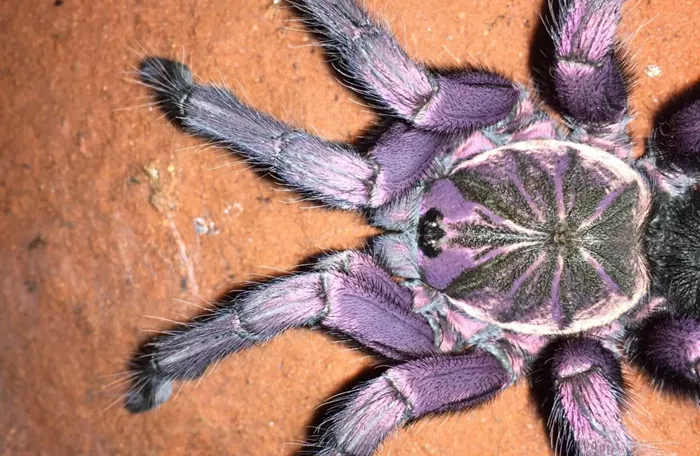
When you think of tarantulas, you probably envision the typical brown or black spider with hairy legs. But what if I told you that some tarantulas are not only rare but also incredibly beautiful? Meet the Purple Bloom Tarantula—a stunning species known for its vibrant hues and fascinating behaviors. But what makes this tarantula so special, and why should you care? In this article, we’re going to explore everything you need to know about this captivating arachnid, from its appearance to its behavior, habitat, and care needs.
Introduction: Why Should You Care About the Purple Bloom Tarantula?
Imagine walking through a dense forest, where the air is thick with the scent of damp earth, and the sound of chirping insects fills the air. As you carefully step over the underbrush, you spot something unusual—a brilliant flash of purple. It’s not a flower, nor a butterfly, but a Purple Bloom Tarantula, with its striking, vibrant hues and graceful movements. It might surprise you to know that such a creature exists, and even more surprising is its fascinating biology and the challenges of keeping it as a pet.
If you’re considering getting a tarantula as a pet or just curious about these fascinating creatures, the Purple Bloom Tarantula might be the perfect species for you. Its rarity, stunning appearance, and relatively low maintenance make it an excellent candidate for both enthusiasts and beginners. But like any pet, there’s a lot more to it than just admiring its beauty.
In this article, we’ll delve into the world of the Purple Bloom Tarantula, uncovering its scientific background, care requirements, and common myths. Ready to learn more? Let’s dive in!
What is the Purple Bloom Tarantula?
The Basics: A Unique Arachnid
The Purple Bloom Tarantula (scientifically known as Chromatopelma cyaneopubescens) is a species of tarantula native to Venezuela and Brazil. It’s part of the Theraphosidae family, which includes some of the largest and most famous spiders in the world. However, what sets this species apart is its vibrant blue and purple coloration, making it one of the most visually striking tarantulas out there.
Size: These spiders are medium-sized, with females growing up to 5 inches (12.7 cm) in body length. Males are slightly smaller and less colorful.
Life Span: Females can live up to 15 years in captivity, while males typically live only about 3-5 years.
Behavior: Known for being somewhat reclusive, they are not aggressive but can be territorial. They often live in burrows or crevices in the wild, where they feel secure.
Why the Name “Purple Bloom”?
The name “Purple Bloom” refers to the spider’s vibrant colors, especially the bluish-purple hues on its legs and body. These hues bloom in different shades depending on the age and environmental factors, such as lighting. As the spider matures, its colors become more vivid, making it resemble a flower in full bloom—hence the name.
Physical Appearance: The Beauty of the Purple Bloom
The Purple Bloom Tarantula is nothing short of a living work of art. But what exactly makes it so visually stunning?
Colors and Patterns
One of the first things you’ll notice about this species is its iridescent blue legs and purple markings on the carapace (the upper part of the body). The exoskeleton or “shell” of the Purple Bloom is covered in fine, silken hairs, which shimmer in different lighting, adding to its charm.
In addition to the blue and purple hues, you might see greenish highlights on certain areas of its body, such as the underside of the abdomen. This multi-colored effect gives it an almost ethereal quality, like a spider straight out of a dream.
A Comparison to Other Tarantulas
While many tarantulas have muted brown or black tones, the Purple Bloom stands out as one of the most vividly colored species. It’s often compared to the Blue Legged Tarantula and the Gooty Tarantula because of their shared vibrant blue hues. However, the Purple Bloom has a much more pronounced purple tint, making it a showstopper in any tarantula collection.
Natural Habitat: Where Do Purple Bloom Tarantulas Live?
A Glimpse of the Wild
In their natural habitat, the Purple Bloom Tarantula is found in the tropical rainforests of South America, particularly in Venezuela and Brazil. These regions are known for their dense vegetation, high humidity, and frequent rainfall, all of which create the perfect environment for a tarantula to thrive.
Climate: Tropical rainforests offer a warm, humid environment. The tarantula’s native habitat is typically around 75-85°F (24-29°C), with humidity levels between 70-80%.
Burrowing Behavior: These spiders tend to burrow into the ground or hide in tree crevices, which provides them with both protection and a place to hunt. Their burrows are deep enough to keep them safe from predators but allow them to quickly emerge for food.
What This Means for Pet Owners
If you plan on keeping a Purple Bloom Tarantula as a pet, understanding its natural habitat will help you replicate the conditions it needs to thrive. A terrarium setup that mimics a rainforest environment is ideal, with plenty of hiding spots and a substrate that allows for burrowing.
Care and Maintenance: How to Keep a Purple Bloom Tarantula
Taking care of a Purple Bloom Tarantula can seem intimidating at first, but with the right knowledge, it’s quite manageable. Here’s a comprehensive guide to make sure your new pet thrives:
1. Setting Up the Terrarium
Size: Choose a terrarium that’s at least 12 inches tall to allow your tarantula to burrow and move around comfortably.
Substrate: Use a coco fiber or peat moss substrate, which holds moisture and mimics the rainforest floor. A depth of around 4 inches is ideal for burrowing.
Temperature and Humidity: Keep the enclosure at a constant 75-85°F with 70-80% humidity. Use a humidifier or a shallow water dish to maintain moisture levels.
2. Feeding the Purple Bloom Tarantula
In the wild, the Purple Bloom Tarantula hunts insects and small prey like crickets, grasshoppers, and other arthropods. In captivity, you can feed your pet:
Live insects: crickets, mealworms, roaches
Occasional treats: small frogs or lizards (although this should be rare)
Feed your tarantula once a week, depending on its age and size. Adult tarantulas usually eat once every 7-10 days.
3. Handling the Purple Bloom Tarantula
Tarantulas, including the Purple Bloom, are not social creatures. While they are not naturally aggressive, they don’t typically enjoy being handled. It’s important to respect their boundaries. Instead of picking them up frequently, let them roam their habitat and observe them from a distance. If you must handle your tarantula, do so gently and carefully.
4. Health Considerations
Tarantulas are hardy creatures, but they can suffer from mites, mold, or improper humidity levels. Regular cleaning of the enclosure, keeping the humidity in check, and observing your tarantula for signs of distress are essential steps in maintaining its health.
Common Myths About Tarantulas
1. “Tarantulas are dangerous and will attack you.”
Not true! While they do have venom, Purple Bloom Tarantulas are not aggressive. They generally bite only in self-defense, and their venom is not deadly to humans.
2. “Tarantulas are hard to care for.”
With the right setup, Purple Bloom Tarantulas are relatively easy to care for. They don’t need constant attention, but they do need the right habitat and diet to stay healthy.
3. “Tarantulas live for only a few years.”
Purple Bloom Tarantulas, especially females, can live for 15 years in captivity, making them a long-term commitment for any pet owner.
Conclusion
The Purple Bloom Tarantula is not just a pet; it’s a living piece of art that can bring a touch of the wild into your home. Its vibrant colors, relatively low-maintenance care, and fascinating behaviors make it an excellent choice for tarantula enthusiasts and beginners alike. By providing the right habitat, diet, and attention, you can enjoy the beauty of this unique arachnid for many years to come.
Related topics: