
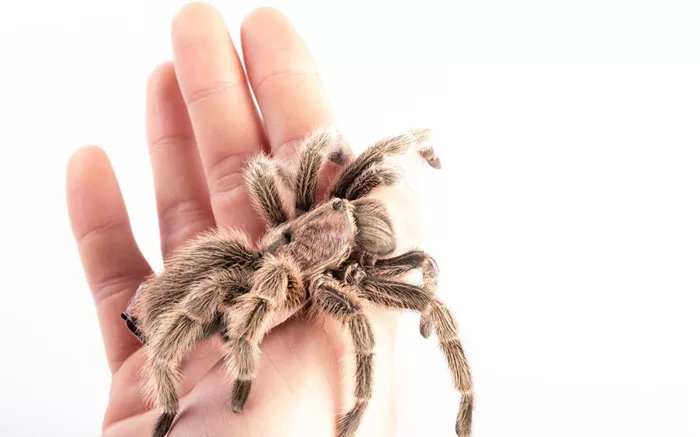
Chilean Rose Tarantulas are among the most popular pet tarantulas worldwide. They are admired for their calm nature, beautiful appearance, and relative ease of care. However, many people who are new to tarantulas or spiders often ask a common question: Are Chilean Rose Tarantulas dangerous? This question is important because spiders, in general, have a reputation for being scary or harmful. In this article, we will explore everything you need to know about the potential danger posed by Chilean Rose Tarantulas. We will discuss their behavior, venom, defensive mechanisms, and safety around humans. By the end of this article, you will have a clear understanding of the risks.
What Is a Chilean Rose Tarantula?
Before diving into the dangers, it’s helpful to know what a Chilean Rose Tarantula is. Its scientific name is Grammostola rosea. This species is native to the desert and scrub regions of northern Chile and parts of Bolivia and Argentina. Chilean Rose Tarantulas are named for the subtle rose-colored hairs that cover their bodies, giving them a distinctive and attractive look.
They are medium to large-sized tarantulas, growing to about 4 to 5 inches in leg span. They are terrestrial, meaning they live mostly on the ground, digging burrows or hiding under rocks. In the wild, they feed on insects and other small animals.
Are Tarantulas Dangerous in General?
To understand if Chilean Rose Tarantulas are dangerous, we need to understand tarantulas in general. Tarantulas are a group of large, hairy spiders belonging to the family Theraphosidae. They are found on almost every continent, mostly in tropical and subtropical regions.
Tarantulas have venom that they use to subdue prey, just like many other spiders. However, tarantula venom is generally not dangerous to humans. It is usually mild, similar in effect to a bee sting for most people. The real risk comes from allergic reactions, which are rare but possible.
Tarantulas are not aggressive by nature. They prefer to avoid humans and will only bite if provoked or handled improperly. Most tarantulas, including Chilean Rose Tarantulas, have other defense methods, such as flicking urticating hairs (special irritating hairs) to protect themselves.
Behavior of Chilean Rose Tarantulas
Chilean Rose Tarantulas are known for their docile and calm behavior. They are often recommended for beginners because they rarely display aggressive actions. Unlike some other tarantula species that are more nervous or defensive, Chilean Rose Tarantulas tend to tolerate handling better.
When feeling threatened, their first response is to retreat or hide. They will usually try to escape rather than attack. Only if they are cornered or feel seriously threatened will they bite or use other defense methods.
Their calm temperament makes them one of the least dangerous tarantulas in terms of potential harm to humans.
Venom of Chilean Rose Tarantulas
One of the most important factors when discussing danger is venom. Tarantulas have venom glands connected to their fangs. The venom is primarily used to immobilize prey like insects and small animals.
The venom of the Chilean Rose Tarantula is considered mild. For most people, a bite would cause only minor symptoms such as pain, redness, and swelling similar to a bee or wasp sting. It is not known to cause serious medical problems or be life-threatening.
Scientific studies on tarantula venom show that it contains various proteins and enzymes, but none of these are highly toxic to humans. However, individual reactions can vary. People allergic to insect or spider venom might have stronger reactions, so caution is advised.
Defensive Mechanisms Beyond Venom
Chilean Rose Tarantulas have a special defense method that does not involve biting. They possess urticating hairs on their abdomen. These hairs are tiny and barbed, and the spider can flick them off toward a perceived threat.
These urticating hairs can irritate the skin and mucous membranes of animals or humans. If they get into the eyes, they can cause pain, redness, and swelling. Some people may experience allergic reactions to these hairs, which can be uncomfortable but are rarely dangerous.
This defense mechanism is effective in discouraging predators without resorting to biting. It also reduces the chance of venom use, which is a more energy-consuming defense.
How Dangerous Is a Chilean Rose Tarantula Bite?
While bites from Chilean Rose Tarantulas are rare, they can occur, especially if the spider is handled improperly or provoked. When a bite happens, the effects are usually mild.
Symptoms of a bite may include:
−Sharp pain at the bite site
−Redness and swelling
−Mild itching or burning
−Possible localized numbness for a short time
More serious allergic reactions are possible but very uncommon. Unlike bites from some venomous spiders, Chilean Rose Tarantula bites do not cause severe systemic symptoms like muscle cramps, breathing problems, or intense pain.
It is important to clean any bite wounds to prevent infection, as with any animal bite.
Who Is Most at Risk?
Although Chilean Rose Tarantulas are generally not dangerous, certain groups of people should exercise more caution. These include:
−Young children, who may be more sensitive and less careful around spiders.
−People with known allergies to insect or spider venom.
−Individuals with weakened immune systems or certain medical conditions.
For these people, even minor bites or exposure to urticating hairs might cause more noticeable reactions.
Safety Tips for Handling Chilean Rose Tarantulas
If you keep Chilean Rose Tarantulas as pets or come across them in the wild, following safety guidelines helps prevent bites or irritation.
Handle with care: Avoid sudden movements and do not grab the spider roughly.
Wash hands: Before and after handling, wash hands to remove any irritants.
Avoid touching urticating hairs: If the spider flicks hairs, do not rub your eyes or skin.
Use tools when necessary: For cleaning enclosures or moving the spider, use soft brushes or containers instead of bare hands.
Educate children: Teach kids not to touch or disturb tarantulas without supervision.
Observe spider behavior: If the tarantula raises its front legs or flicks hairs, give it space.
Following these tips can make interactions with Chilean Rose Tarantulas safe and enjoyable.
Medical Treatment for Bites and Irritation
If bitten by a Chilean Rose Tarantula, the following steps are recommended:
Clean the wound: Use soap and water to clean the bite area.
Apply a cold compress: This helps reduce pain and swelling.
Use over-the-counter pain relief: Ibuprofen or acetaminophen can help with discomfort.
Apply antihistamines or hydrocortisone cream: These can reduce itching and irritation.
Monitor for allergic reactions: Watch for symptoms like difficulty breathing, swelling beyond the bite area, or rash. Seek immediate medical help if these occur.
For irritation caused by urticating hairs, gently wash the affected skin and avoid rubbing the eyes. If irritation persists, consult a healthcare professional.
Are Chilean Rose Tarantulas Dangerous to Pets?
Besides humans, some people worry if Chilean Rose Tarantulas might harm their pets like cats, dogs, or small rodents. Generally, these tarantulas are not a threat to pets.
They are not aggressive and would rather hide than attack. However, if a pet tries to catch or bite the tarantula, the spider might defend itself using urticating hairs or biting. This could cause mild irritation or discomfort to pets, similar to what humans experience.
It’s best to keep tarantulas in secure enclosures away from other household pets to prevent stressful encounters.
Common Myths About Tarantulas and Danger
Many myths surround tarantulas and their danger level. Some common misconceptions include:
All tarantulas are deadly: This is false. While some spiders have medically significant venom, most tarantulas, including Chilean Roses, do not pose serious threats.
Tarantulas chase humans: Tarantulas do not chase people. They prefer to run away or stay still.
Tarantulas are aggressive: Most species are shy and only defend themselves when threatened.
A tarantula bite is worse than a snake bite: Tarantula bites are usually much less severe than snake bites.
Conclusion
In summary, Chilean Rose Tarantulas are not dangerous to humans under normal circumstances. Their venom is mild and their behavior is generally calm and non-aggressive. The most common risks involve minor bites and irritation from urticating hairs, which can usually be managed with basic first aid.
For most people, Chilean Rose Tarantulas pose little threat and can be safely enjoyed as pets. However, individuals with allergies or sensitive skin should exercise caution.
By respecting their nature and handling them properly, you can coexist safely with these fascinating creatures and appreciate their unique role in nature.
Related topic