
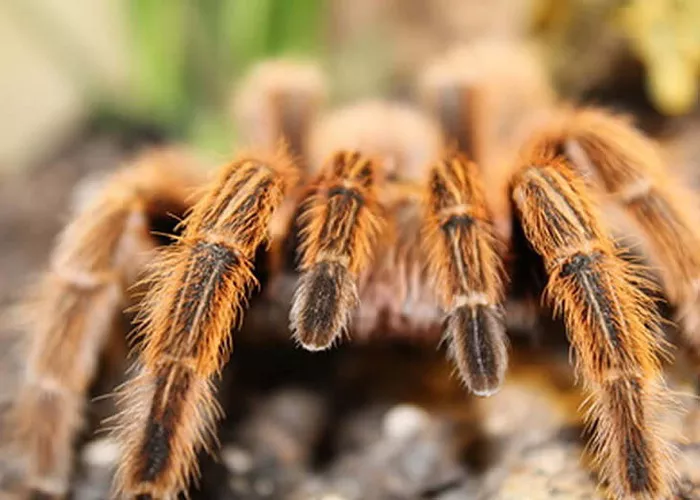
Chilean rose tarantulas are one of the most popular pet tarantulas in the world. Known scientifically as Grammostola rosea, these spiders come from the deserts and scrublands of Chile. Their calm temperament and striking colors have made them favorites among both beginners and experienced tarantula keepers.
One common question among enthusiasts and those interested in tarantulas is: How big do Chilean rose tarantulas get? In this article, we will explore the size of these fascinating creatures in detail. We will discuss their growth patterns, factors influencing their size, and what to expect when keeping them as pets.
Introduction to Chilean Rose Tarantulas
Before diving into their size, it is important to understand what makes Chilean rose tarantulas unique. These tarantulas belong to the family Theraphosidae. They are native to Chile, Bolivia, and Argentina, living in arid regions with little rainfall.
Chilean rose tarantulas get their name from the pink or rose-colored hairs found on their bodies. These hairs can reflect light, giving them a beautiful sheen. Their natural coloration ranges from light brown to dark brown, with the rose tint most visible on the carapace (the hard shell covering the head).
These tarantulas are terrestrial, meaning they live mostly on the ground rather than in trees. They often hide under rocks, logs, or in burrows. In captivity, they prefer a dry environment with a substrate they can dig in.
General Size Overview
When people ask, “How big do Chilean rose tarantulas get?” they usually want to know both their body length and leg span. These are the two most common measures used to describe the size of tarantulas.
Body length refers to the length of the spider’s cephalothorax and abdomen combined, excluding the legs.
Leg span is the distance from the tip of one front leg to the tip of the opposite front leg when the spider is fully extended.
Average Size
Adult Chilean rose tarantulas typically have a body length between 6 and 8 centimeters (about 2.4 to 3.1 inches). Their leg span ranges from 12 to 15 centimeters (roughly 4.7 to 6 inches). Some larger individuals may reach slightly bigger sizes, but this is the general range.
Compared to some other tarantula species, Chilean rose tarantulas are medium-sized. They are not as large as the giant bird-eating tarantulas, but they are bigger than many smaller spider species kept as pets.
Growth and Size Development
Life Stages and Size
Chilean rose tarantulas grow through several stages called instars. When a spider hatches from its egg sac, it is tiny — just a few millimeters long. Over the next few years, it molts (sheds its old exoskeleton) many times, each time growing larger.
Young tarantulas, called spiderlings, grow rapidly at first. Their growth rate slows down as they near adulthood. Full size is usually reached after 3 to 5 years, depending on conditions like food availability and temperature.
Molting and Growth
Molting is essential for growth in tarantulas. Unlike mammals, spiders cannot grow continuously. Their hard exoskeleton restricts their size. When the exoskeleton becomes too tight, the tarantula molts, shedding it and forming a new, larger one underneath.
After molting, the tarantula’s body is soft and vulnerable, but it gradually hardens. During this period, the spider often eats more to regain strength and grow.
Sexual Dimorphism and Size Differences
In many tarantula species, males and females differ in size and appearance. Chilean rose tarantulas show some sexual dimorphism, mainly in size.
Females are generally larger and bulkier. They can live up to 15 years or more and continue growing slowly over their lifespan.
Males are smaller and more slender. They usually live for only a few years after reaching maturity and often stop growing once they become adults.
Because females live longer, they tend to be larger on average than males. When considering size, it is helpful to identify the sex of the tarantula, especially for breeders or serious hobbyists.
Factors Affecting Size
Several factors can influence how big a Chilean rose tarantula gets. These factors explain why two individuals of the same species can vary in size.
Genetics
Genetics play a key role in determining the maximum size a tarantula can achieve. Some lineages or strains naturally grow larger due to their inherited traits.
Diet and Nutrition
The quality and quantity of food are crucial. Well-fed tarantulas with regular access to nutritious prey like crickets, roaches, or mealworms grow faster and larger than those with limited food.
Overfeeding, however, can cause obesity or health issues, so balance is important.
Environmental Conditions
Temperature, humidity, and habitat conditions affect growth. Chilean rose tarantulas prefer warm, dry environments. In captivity, maintaining proper temperature (around 75-85°F or 24-29°C) and humidity (around 50-60%) supports healthy growth.
Stressful or unsuitable environments can stunt growth and reduce lifespan.
Health and Parasites
Healthy tarantulas free from disease and parasites tend to grow better. Mites, fungal infections, or injuries can affect growth negatively.
What Does Size Mean for Tarantula Care?
Knowing how big a Chilean rose tarantula will get helps owners prepare the right setup.
Enclosure Size
A mature Chilean rose tarantula needs enough space to move and build a burrow if desired. A 5 to 10-gallon terrarium is usually sufficient. Larger enclosures can stress the spider if they cannot feel secure.
Feeding Needs
As the tarantula grows, it will require larger prey items. Adults may eat adult crickets, roaches, or even small mice occasionally (though this is not necessary and can be avoided).
Handling Considerations
Due to their size, Chilean rose tarantulas are easy to handle gently. However, care should be taken because even medium-sized tarantulas can deliver a painful bite or flick urticating hairs as defense.
How to Measure Your Chilean Rose Tarantula
If you own a Chilean rose tarantula or want to monitor its growth, measuring it correctly is important.
Measuring Leg Span
To measure leg span, place the tarantula on a flat surface and gently stretch its legs. Use a ruler or tape measure to measure the distance from the tip of the front left leg to the tip of the front right leg.
Measuring Body Length
Body length can be measured by looking at the spider from above and measuring the combined length of the cephalothorax and abdomen using a ruler. Be careful not to disturb the tarantula.
Conclusion
Chilean rose tarantulas grow to a moderate size, with adults typically reaching a leg span of 12 to 15 centimeters (about 5 to 6 inches) and a body length of 6 to 8 centimeters (around 2.5 to 3 inches). Their size varies depending on genetics, diet, environment, and health.
This manageable size, combined with their gentle temperament, makes Chilean rose tarantulas one of the best pet tarantula species available. Whether you are a beginner or an experienced hobbyist, knowing how big they get will help you provide the best care and enjoy these fascinating creatures to the fullest.
Related topic
- What Do Chilean Rose Tarantulas Eat?
- How Much Does a Chilean Rose Tarantula Cost?
- What Is the Friendliest Spider?