
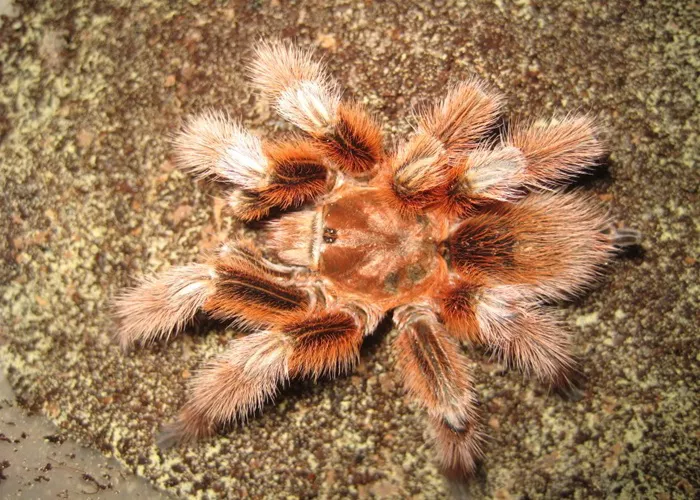
The Chilean Rose Tarantula (Grammostola rosea), also known as the Rose Hair Tarantula, is one of the most popular pet tarantulas in the world. This spider is native to the deserts and scrublands of Chile, Bolivia, and Argentina. It is known for its calm nature, hardiness, and striking appearance. Its body is covered in brown or grayish-pink hairs, often with a rose-colored sheen on the carapace, giving it its common name.
Understanding what Chilean Rose Tarantulas eat is essential for their proper care in captivity. Feeding them the right kind of food not only supports their health and longevity but also helps maintain their natural behaviors. In the wild, they hunt and feed on a wide variety of invertebrates and sometimes small vertebrates. In captivity, their diet can be controlled and tailored to meet their needs safely.
This article explores in detail what Chilean Rose Tarantulas eat in the wild and in captivity. We will also cover feeding frequency, suitable prey types, water requirements, feeding behaviors, and signs of hunger or overfeeding.
Natural Diet of Chilean Rose Tarantulas in the Wild
In the wild, Chilean Rose Tarantulas are opportunistic hunters. They do not use webs to catch prey like many other spiders. Instead, they rely on stealth and ambush tactics. They wait near burrows or in sheltered areas and strike quickly when prey comes close.
Invertebrates Form the Main Diet
The majority of their wild diet consists of invertebrates. These include:
−Crickets
−Grasshoppers
−Beetles
−Caterpillars
−Other spiders
−Moths
These insects are plentiful in the desert and scrubland habitats where the Chilean Rose Tarantula lives. The tarantula captures these animals with its strong front legs and injects venom to immobilize them. The venom also helps liquefy the internal tissues of the prey, which the tarantula then sucks up through its mouth.
Occasional Small Vertebrates
Although insects make up most of their diet, wild Chilean Rose Tarantulas may occasionally prey on small vertebrates. These may include:
−Small lizards
−Tiny frogs
−Mouse pups (if encountered, though rare in their natural environment)
Catching vertebrates is less common and generally occurs when the tarantula encounters weak or injured animals. Because vertebrates pose more danger and are harder to digest, they are not a regular part of the tarantula’s diet.
Captive Diet of Chilean Rose Tarantulas
In captivity, their diet should be made up primarily of live insects. These should be gut-loaded, which means fed nutritious foods before being offered to the tarantula. Gut-loading ensures the tarantula receives essential nutrients indirectly.
Crickets as the Staple Food
Crickets are the primary feeder insects used for Chilean Rose Tarantulas in captivity. They are readily available at most pet stores, relatively inexpensive, and contain a high level of protein, making them a nutritious food source. In addition, their quick, active movements provide mental stimulation for the tarantula, encouraging natural hunting behavior during feeding.
When selecting crickets, owners should consider their size carefully. Ideally, the cricket should be no larger than the tarantula’s abdomen. Feeding prey that is too large may not only stress the tarantula but could also result in injury during an attempted capture. Properly sized crickets reduce the risk of harm and ensure a safer feeding experience.
Other Suitable Insects
While crickets form the foundation of a captive tarantula’s diet, variety is beneficial. Other insects can be offered to add diversity and ensure a more balanced intake of nutrients. Dubia roaches are an excellent alternative. These roaches are meaty, move more slowly than crickets, and remain quiet, which many tarantula keepers prefer. Their inability to climb smooth surfaces also makes them easier to handle and less likely to escape inside the enclosure.
Mealworms are another option. These beetle larvae are high in fat and should be offered only in moderation. Because of their tough exoskeleton, they can be more difficult to digest and are best used as an occasional supplement rather than a mainstay. Superworms, which are larger and more active than mealworms, fall into the same category and should also be fed sparingly.
Waxworms are particularly fatty and should be viewed as a treat rather than a regular part of the diet. Although they are soft and easy for tarantulas to consume, excessive fat can contribute to obesity in adult spiders. In some regions, locusts are available and are used as feeder insects. These are larger and more active than crickets, providing excellent exercise for the tarantula but should still be fed with moderation and size consideration.
Avoid Wild-Caught Insects
Although it might seem natural to collect insects from the yard or garden for feeding, this is not recommended. Wild insects are often exposed to pesticide residues, which can be toxic. They may also carry parasites, bacteria, or fungal spores that pose serious health risks to captive tarantulas. To ensure the safety and well-being of your Chilean Rose Tarantula, only use feeder insects that are bred in controlled, pesticide-free environments by reputable sources.
How Often Should You Feed a Chilean Rose Tarantula?
Feeding frequency depends largely on the age and size of the tarantula. Young tarantulas, known as spiderlings, are in a rapid growth phase and require more frequent feeding. Adult tarantulas, on the other hand, grow very slowly and have lower metabolic needs. Overfeeding adults can lead to obesity and lethargy.
Feeding Schedule by Age
Spiderlings, which are typically under one year old, should be fed every 3 to 5 days. Suitable prey items include pinhead crickets or small fruit flies, depending on the spiderling’s size. As they mature into juveniles, usually between one and two years old, the feeding interval can be extended to every 5 to 7 days. At this stage, they can handle slightly larger prey, but it should still be smaller than the width of their abdomen.
Fully grown adults, generally two years or older, do well on a schedule of one feeding every 7 to 14 days. A typical adult meal might consist of one or two appropriately sized crickets or a single dubia roach. If the tarantula does not eat, the prey should be removed within 24 hours to prevent stress or injury.
Molting and Feeding
Molting is a crucial phase in a tarantula’s life. During this process, it sheds its exoskeleton to grow. Tarantulas do not eat for several days or weeks before and after molting.
Before Molting:the tarantula often shows noticeable changes in behavior and appearance. It may refuse food, become increasingly lethargic, and spend more time hiding. In addition, its coloration may darken, particularly on the abdomen, signaling that the molting process is approaching.
After Molting: the tarantula’s new exoskeleton is soft and fragile, and its fangs require several days to fully harden. During this recovery period, it is crucial not to offer any food for at least 7 to 10 days, as feeding too soon can lead to serious injury or even death—the tarantula is unable to defend itself properly or process food until its body has sufficiently hardened.
Water Requirements
While Chilean Rose Tarantulas get most of their hydration from food, they still need access to clean water.
Water Dish Guidelines:
Use a shallow dish to prevent drowning.
Keep the dish clean and filled with fresh water.
Avoid sponges, as they can harbor bacteria.
Misting the enclosure lightly once a week can also help maintain low humidity without making the substrate wet, which these desert tarantulas dislike.
Feeding Techniques and Tips
Feeding time is also a good opportunity to observe your tarantula. Use tongs to place the insect near the tarantula, or allow the insect to roam so the spider can hunt naturally.
Tips
−Feed in the evening, as tarantulas are nocturnal.
−Do not hand-feed; always use tools.
−Watch for successful captures and remove uneaten prey.
−Never force-feed a tarantula. If it refuses food for more than a few weeks, check for other signs of molting or stress rather than trying to coax it to eat.
Foods to Avoid
−Certain foods are harmful or inappropriate for Chilean Rose Tarantulas.
−Mammals or vertebrates: Mice or pinkies are too large and offer more risk than benefit.
−Dead insects: Unless freshly killed and offered immediately, dead insects can spoil or go uneaten.
−Human food: Meat scraps, fruits, or vegetables have no place in a tarantula’s diet.
Conclusion
Feeding a Chilean Rose Tarantula is straightforward when you understand its needs. In the wild, these tarantulas hunt a variety of invertebrates and occasionally small vertebrates. In captivity, their diet should focus on live insects like crickets, roaches, and worms. Feeding frequency depends on age, and fasting is a normal part of their life cycle. Always provide clean water, avoid wild-caught insects, and watch for signs of molting.
A healthy feeding schedule contributes to a long and stress-free life for your tarantula. By following these guidelines, keepers can ensure their Chilean Rose Tarantula thrives in captivity, displaying the same fascinating behaviors as it would in the wild.
Related topic