
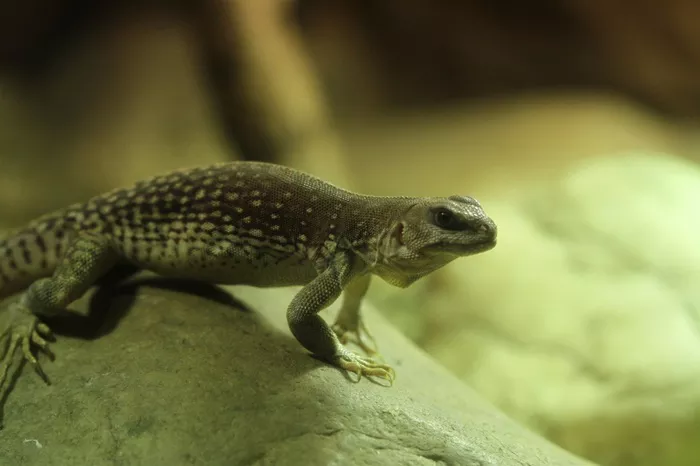
Have you ever wondered where desert iguanas go to sleep after their active daytime adventures in the harsh desert environment? These fascinating creatures are known for their ability to survive extreme temperatures and tough conditions. But when the sun sets and the desert cools down, where do these resilient reptiles rest?
In this article, we’ll explore the sleeping habits of desert iguanas, focusing on how they adapt to their environment and the special places they call home at night. Whether you’re a reptile enthusiast or someone just curious about these amazing creatures, you’re about to uncover some incredible facts!
The Desert Iguana: A Quick Overview
Before we dive into their sleeping patterns, let’s quickly look at the desert iguana itself. These medium-sized reptiles, scientifically named Dipsosaurus dorsalis, are native to the southwestern United States and northwestern Mexico, primarily inhabiting the Sonoran and Mojave deserts.
The desert iguana has adapted to life in one of the harshest environments on Earth, where temperatures can soar well above 100°F (37°C) during the day and drop sharply at night. With such extreme fluctuations in temperature, understanding where and how desert iguanas sleep becomes a key aspect of their survival.
The Key to Survival: Adaptation to Heat and Cold
Desert iguanas are ectothermic, meaning their body temperature is regulated by the surrounding environment. This adaptation makes them dependent on external heat sources to maintain optimal body functions. In the wild, you’ll often find them basking in the sun to soak up heat during the day.
However, when the sun sets, their need for warmth decreases, and they look for a safe, cooler place to sleep. Understanding where they rest helps explain how they manage such temperature extremes.
Why Sleep Is Crucial for Desert Iguanas
Sleep is essential for all living creatures, but for the desert iguana, it’s especially important. The desert environment is unforgiving. High daytime temperatures can stress their bodies, and during the night, the cooler air can help them recuperate and avoid overheating. Just like how you might rest at home after a long, hot day, desert iguanas need a place to recover and reset for the next day.
So, where exactly do desert iguanas sleep, and how do they find a suitable spot?
The Best Places for Desert Iguanas to Sleep
1. Burrows and Dens
When you picture a desert landscape, you might think of vast stretches of sand, rocky terrain, and sparse vegetation. But beneath the surface lies a hidden world where desert iguanas often seek shelter.
In their natural habitat, these iguanas frequently dig burrows in the sand to escape extreme temperatures. These burrows serve as both hiding places and sleeping quarters. The sand beneath the surface retains moisture and can provide a cooler environment compared to the scorching desert heat above ground.
Burrows also offer protection from predators, such as birds of prey and coyotes, making them an ideal place for a peaceful night’s rest. Desert iguanas can retreat to these burrows during the hottest part of the day or when they feel threatened.
2. Creosote Bushes
Another common sleeping spot for desert iguanas is under creosote bushes, a plant that thrives in the desert and provides shelter for many desert-dwelling creatures. The bushes offer shade during the day and a sheltered environment at night.
Creosote bushes are particularly useful for iguanas because they help regulate temperature. The thick shrubbery provides a microclimate that can be cooler than the open desert. The iguana may burrow into the sand around the base of the bush or hide among the branches. This provides them with both protection and comfort while they sleep.
3. Rock Crevices and Caves
In addition to burrows and bushes, desert iguanas also find refuge in rock crevices and natural caves. The rocky terrain in their desert habitat is full of hidden nooks and crannies, and these spaces are perfect for iguanas looking for shelter at night.
These crevices are cool and offer protection from predators. The rocks also help insulate the iguanas from the desert’s drastic temperature swings. Even though the iguana may not hibernate like some other reptiles, these cool spaces help them stay comfortable and secure during their sleep.
4. Underground Nests
When it comes time to reproduce, desert iguanas will dig deeper burrows for nesting. These underground nests are designed to protect their eggs from extreme temperatures and predators. After mating, the female iguana will typically lay her eggs in the warmth of the desert sand, where the temperature range is optimal for incubation.
The eggs remain buried in the sand until they hatch, usually in late summer or early fall. During this period, the female will stay close to the nest to guard it, though she will still sleep in nearby burrows or under cover of vegetation.
How Desert Iguanas Choose Their Sleeping Spots
Desert iguanas are highly adapted to the desert environment, and they use several strategies to choose the best places to sleep. Here are some key factors they consider when selecting a sleeping location:
Temperature Regulation: As ectotherms, iguanas need to manage their body temperature carefully. A cooler, shaded area provides relief from daytime heat and helps them conserve energy. Burrows and crevices are ideal because they maintain a stable temperature.
Safety from Predators: The desert is full of potential predators, from hawks to snakes. To stay safe, iguanas prefer sleeping spots that are hidden from view, like burrows or crevices. These locations are also less accessible to predators.
Protection from Extreme Weather: While the desert is known for its heat, temperatures can drop significantly at night. Sleeping in burrows or beneath bushes helps protect the iguana from cold air and gusty winds.
Proximity to Food Sources: Desert iguanas are herbivores, feeding on leaves, flowers, and fruits. They often sleep near food sources, such as creosote bushes, to make it easier to find food in the morning.
Sleeping Patterns: How Long Do Desert Iguanas Sleep?
Desert iguanas don’t sleep through the night in the same way humans do. Their sleep patterns are influenced by the temperature, available food, and the time of year.
During the summer months, desert iguanas are most active during the hottest part of the day. They spend early morning basking in the sun and hunting for food, then retreat to their shelters during the midday heat. At night, they rest in their burrows or under the cover of plants, conserving energy until the next day.
In winter, their activity slows down. Desert iguanas may enter a state called brumation, which is similar to hibernation, though they do not sleep continuously. They become less active and may spend longer periods resting.
The Importance of Sleep for Desert Iguanas
Sleep is an essential part of life for desert iguanas. Their ability to rest during the cooler parts of the day and night allows them to stay healthy and energized. Without proper rest, these reptiles would not be able to handle the extreme conditions of the desert.
Much like how you need sleep to recharge after a busy day, desert iguanas rely on their sleep to maintain their strength and health. The shelter they find in burrows, creosote bushes, and rock crevices provides the perfect environment for them to recuperate and prepare for the next day’s adventures.
Conclusion
Now that you know where desert iguanas sleep, you can better appreciate how these creatures survive and thrive in the harsh desert environment. Whether they’re nestled in a cool burrow, hiding under a creosote bush, or snuggled in a rock crevice, desert iguanas have mastered the art of resting in the wild.
Next time you come across a desert iguana, take a moment to think about where it might be resting and how it’s adapting to its environment. These reptiles are truly remarkable survivors!
Related topics: