
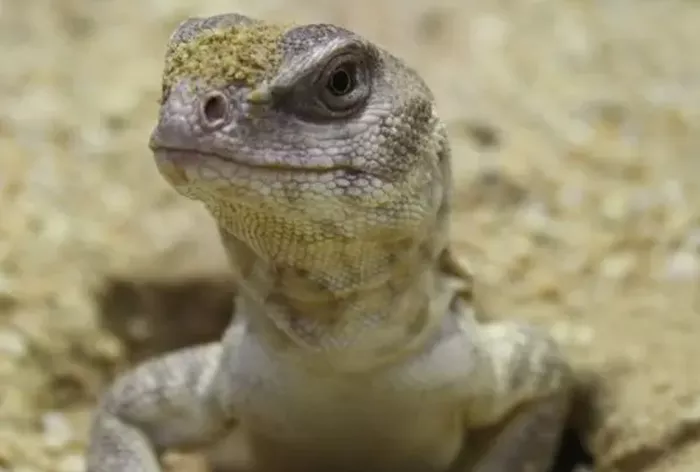
When you think of a lizard, you might imagine a slow-moving creature basking in the sun. But what if I told you that the desert iguana—one of the many fascinating species of reptiles—has an unexpected talent? This lizard isn’t just about lounging in the sun or hiding under a rock; it’s actually a speedster in the desert! Let’s dive into how fast a desert iguana can run and uncover some intriguing facts about its speed and agility in the wild. Trust me—you don’t want to miss this!
Introduction: The Need for Speed in the Desert
Desert environments are harsh and unforgiving. With soaring temperatures, limited water, and predators on the prowl, survival in the desert requires quick thinking and even quicker movements. The desert iguana, Dipsosaurus dorsalis, has adapted to its environment in remarkable ways. While it may not be as fast as some animals like cheetahs or even some other reptiles, it can certainly hold its own when it comes to speed. So, how fast can a desert iguana run? Let’s break it down!
Before we jump into the numbers, think of the desert iguana’s speed like a sprinter in a race. In the wild, it’s not about racing for fun—it’s about escaping predators, finding food, and avoiding the scorching sun. Now, let’s see how it performs in its natural habitat.
What Makes Desert Iguanas Fast?
To understand how fast a desert iguana can run, we need to consider the factors that contribute to its speed. Think of it like building a race car: each part has to be in perfect harmony. For the desert iguana, several factors work together to make it a quick and efficient runner:
Physical Build: Desert iguanas are built for speed with long, muscular legs and a streamlined body that helps them move quickly. Their tail, while mostly for balance, also plays a role in stabilizing them as they dart across the sand.
Temperature Adaptation: The desert iguana thrives in high temperatures. In fact, it’s one of the few reptiles that are active during the hottest parts of the day when other lizards hide in cool burrows. Their ability to stay active in extreme heat makes them well-equipped for running, especially when they need to escape predators.
Survival Instincts: Like many reptiles, the desert iguana’s speed is a direct response to its environment. Predators like hawks, snakes, and coyotes are common threats. So, the desert iguana has evolved to be quick when it matters most. It needs to escape fast, whether it’s running to a burrow or seeking cover under a bush.
How Fast Can a Desert Iguana Run?
Now, to the heart of the matter: how fast can this desert reptile really go? On average, a desert iguana can sprint at speeds of up to 20 miles per hour (32 kilometers per hour). Impressive, right? To put it into perspective, that’s about as fast as a human sprinter at top speed.
Let’s break it down further:
Comparison to Other Reptiles: In comparison to other reptiles, the desert iguana’s speed is pretty solid. For instance, the green iguana (another popular lizard species) can only reach about 12-15 miles per hour (19-24 kilometers per hour). So, while the desert iguana isn’t the fastest reptile around, it’s certainly no slouch either.
Comparison to Other Desert Creatures: While you may think of the desert as a place full of sluggish animals, many desert creatures are surprisingly fast. For instance, the famous desert roadrunner bird can hit speeds up to 20 miles per hour as well. However, when it comes to the ultimate race between these two desert dwellers, the iguana can hold its ground, especially in short bursts.
What’s Really Amazing: Imagine running 20 miles per hour in the heat of the desert! It’s almost like running a sprint on a hot, dry treadmill. The desert iguana’s ability to maintain such a speed, even in the scorching temperatures of the Sonoran Desert, is a testament to its incredible adaptation.
How Does a Desert Iguana Run So Fast?
It’s not just about raw speed; it’s the way the desert iguana moves that’s fascinating. Here’s how it works:
Muscle Power: The muscles in the desert iguana’s legs are built for short, powerful sprints rather than endurance running. When a predator gets too close, this lizard can power up its hind legs to dart across the sand, using quick bursts of speed to get away.
Tail Control: The tail of a desert iguana helps with balance. When sprinting, it often whips behind the body, stabilizing the reptile as it runs. It’s like a tightrope walker using a pole to stay balanced—without the tail, running would be much more difficult.
Dune-Dashing: The sandy desert is no easy terrain to sprint on. But the desert iguana has a special way of dealing with it. It uses its strong claws to grip the sand, allowing it to move swiftly across the dunes without sinking or slipping.
Why Does Speed Matter for the Desert Iguana?
Speed isn’t just for fun in the desert; it’s a crucial survival skill. Here’s why:
Escaping Predators: The desert is full of predators that can make a meal out of the desert iguana. Birds of prey like hawks, coyotes, and snakes are constant threats. Speed gives the desert iguana a fighting chance to escape. It may not be able to outrun all of them, but it can certainly put some distance between itself and danger.
Finding Food: In the vast desert, food can be hard to come by. The desert iguana primarily feeds on plants like creosote bushes and alfalfa, but it needs to move quickly to forage and gather the nutrients it needs before temperatures become too extreme.
Surviving the Heat: The desert iguana’s activity during the hottest parts of the day is also tied to speed. When temperatures soar, it has to be fast to find shelter or burrow into the cooler sand. Running efficiently helps it stay active in an otherwise hostile environment.
Interesting Facts About Desert Iguanas
Social Behavior: Despite being fast runners, desert iguanas aren’t solitary creatures. They often share their territory with other iguanas and sometimes even other animals like desert tortoises and rodents.
Communication: They don’t just run away when threatened—they also communicate with body language, such as head bobbing, to signal dominance or territorial boundaries.
Survival Skills: These lizards are also known for their unique ability to withstand the desert’s heat. They don’t just run; they know when to rest and when to sprint. Their daily routine involves basking in the sun and cooling off in burrows, making them experts in balancing activity and rest.
Conclusion
So, how fast can a desert iguana run? Up to 20 miles per hour—a pretty impressive feat in the harsh desert environment! But speed is just one of the many ways this remarkable reptile has adapted to life in the desert. From its powerful muscles and tail control to its need for speed to survive, the desert iguana is a true marvel of nature. Whether it’s escaping predators or searching for food, the desert iguana’s agility and speed are essential for its survival in one of the most challenging environments on Earth.
Related topics: