
When you first think of reptiles, you might imagine scaly creatures that slither or crawl, often with a bad reputation. But here’s the burning question: Are desert iguanas dangerous? This is a question that many people have, especially those considering them as pets or those curious about their behavior in the wild.
Desert iguanas, native to the dry, sun-baked deserts of the southwestern United States and parts of Mexico, may look intimidating with their spiky tails and muscular builds, but their reputation as “dangerous” creatures is often exaggerated. So, how dangerous are they really? Can a desert iguana hurt you?
In this article, we’ll uncover the truth about desert iguanas, their behaviors, and whether they pose any real threat to humans or other animals. We’ll break things down in simple terms, so whether you’re a reptile enthusiast or just curious, you’ll walk away with the knowledge you need.
Desert Iguanas: Who Are They?
Before we dive into the “dangerous” question, let’s get to know the desert iguana a little better. These reptiles, scientifically known as Dipsosaurus dorsalis, are medium-sized lizards that thrive in the harsh environments of the Sonoran and Mojave deserts. They’re built for survival in extreme heat, and their behavior has adapted over millions of years to help them handle these dry, sun-scorched lands.
Physical Characteristics: Not as Menacing as They Seem
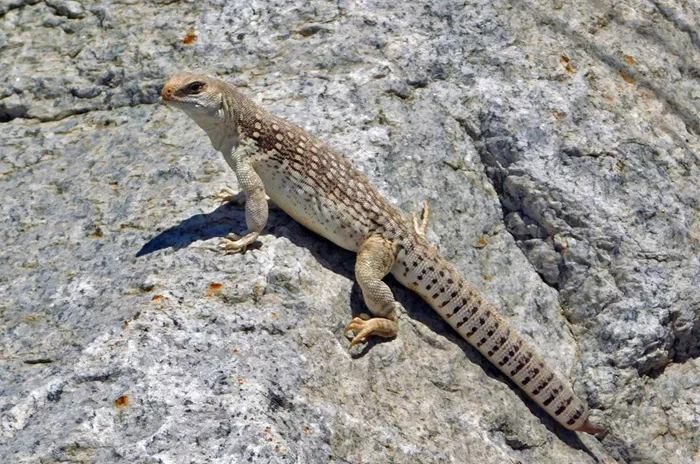
The desert iguana is known for its light-colored body, typically pale grey or cream, with a network of light brown patterns across its back. These patterns help it blend in with the desert landscape, keeping predators at bay. While they may have spiky tails and back ridges, these are more of a defensive feature than an offensive weapon.
It’s important to note that despite their appearance, these iguanas are not aggressive by nature. They’re herbivores, feeding mostly on plants like the creosote bush and ocotillo flowers, along with the occasional insect. When threatened, they often prefer to flee rather than fight.
Are Desert Iguanas Dangerous to Humans?
Now, let’s tackle the big question. Desert iguanas, like many reptiles, have ways of defending themselves when they feel threatened. However, they are not naturally aggressive towards humans. So, are they dangerous?
Biting and Scratching: The Defense Mechanism
One of the first things people worry about with any reptile is whether they can bite. Desert iguanas do have teeth, and while they might bite if provoked or threatened, these bites are usually not harmful to humans. They don’t have the venomous fangs or powerful jaws that some species of reptiles possess.
Analogy: Think of the desert iguana’s bite like a pinch—unpleasant, but not life-threatening. Their bite is more of a warning than a serious attack.
Tail Whipping: A Warning, Not a Weapon
Another common defense mechanism is the tail whip. Desert iguanas have strong, muscular tails that they can whip around when they feel cornered. While the whip might sound scary, it’s not likely to cause injury. It’s more like a loud slap from a friend trying to get your attention than a real strike.
In fact, this behavior is mainly to scare off potential threats. It’s their way of saying, “Back off, I don’t want to fight!”
The Role of Temperature: Why They’re Not Always Dangerous
Did you know that desert iguanas are cold-blooded animals? This means they rely on the temperature around them to regulate their body heat. When it’s too hot, they retreat to the shade or burrows, and when it’s cool, they remain lethargic. The irony here is that during the hottest parts of the day, these iguanas are often inactive, and the idea of them being dangerous is the furthest thing from reality.
When you see a desert iguana basking in the sun, it’s just trying to stay warm—not plotting to attack. So, while they may be active at certain times of the day, they don’t pose any real threat unless they’re physically disturbed or feel trapped.
Are Desert Iguanas Dangerous to Other Animals?
Desert iguanas may not be dangerous to humans, but what about the other creatures they encounter in their natural habitat?
Predators of the Desert Iguana
While these iguanas aren’t predators themselves, they are prey for many animals in the desert ecosystem. Raptors (birds of prey), foxes, and snakes are some of the creatures that actively hunt desert iguanas. So, even though desert iguanas have their own defense mechanisms, they still face significant risks in the wild.
Defensive Behavior Towards Predators
In the face of predators, desert iguanas will typically try to escape rather than engage in combat. They might dash into a burrow or hide under the shade of a plant. If they feel cornered, they might exhibit tail whipping or even puff up to appear larger. However, even though these actions might seem intimidating, they’re more about escaping danger than causing harm to others.
Coexisting with Other Species
Interestingly, desert iguanas play an essential role in maintaining the balance of their ecosystem. They help control plant growth by feeding on leaves and flowers, and by being preyed upon, they provide nourishment for other animals. Their relatively peaceful existence in the food chain is a testament to their non-aggressive nature.
Are Desert Iguanas Safe as Pets?
If you’re thinking of adopting a desert iguana, you may wonder about their behavior in captivity. Let’s talk about that.
Temperament in Captivity
Desert iguanas, when raised in captivity, are usually docile and calm. They’re not known to bite or scratch unless they feel threatened, and as long as you respect their space and provide the right environment, they’ll likely be friendly pets. In fact, many reptile enthusiasts love keeping them because of their low maintenance and gentle temperament.
Handling a Desert Iguana
If you’re new to reptiles, it’s always important to learn how to handle them properly. For desert iguanas, gentle handling is key. If you approach them too quickly or make sudden movements, they may get startled and try to defend themselves. It’s always best to move slowly and allow them to get accustomed to your presence. If you do get bitten, it’s usually not severe, but it’s still a good idea to wash the area with soap and water.
Health Risks in Captivity
While desert iguanas are generally safe as pets, they are still susceptible to certain diseases, such as respiratory infections or parasites, if not cared for properly. Regular check-ups with a veterinarian who specializes in reptiles can help ensure your pet remains healthy and happy.
Conclusion
So, are desert iguanas dangerous? The answer is clear: not really. While they do have some defense mechanisms, such as biting and tail whipping, these lizards are generally peaceful creatures. They pose no threat to humans unless provoked. In fact, they are more likely to flee than fight, making them one of the least dangerous reptiles around.
When it comes to other animals, desert iguanas are prey rather than predators. Their role in the desert ecosystem is vital, and they interact with other species in a balanced, non-aggressive way. If you’re thinking of keeping one as a pet, rest assured that they’re not dangerous as long as you handle them gently and provide proper care.
Now that you know the truth, the next time someone asks if desert iguanas are dangerous, you’ll be ready with an informed answer!
Related topics: