
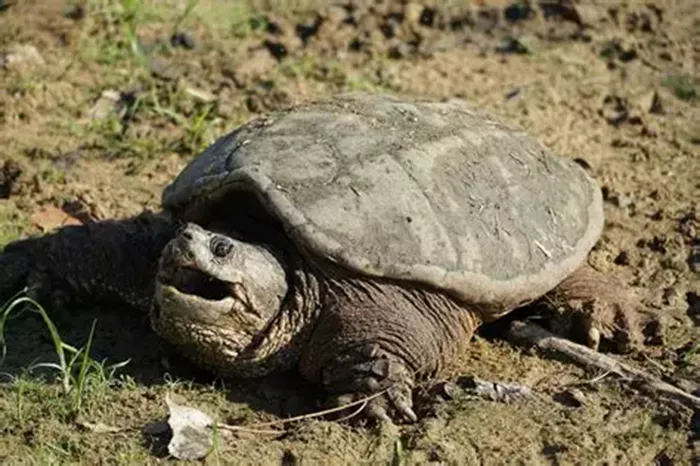
Snapping turtles are among the most formidable creatures in North America. With their powerful jaws, tough shells, and aggressive temperament, they may seem nearly invincible. But like all creatures, they have their weaknesses. Understanding these vulnerabilities not only reveals more about this amazing species but also highlights the importance of preserving them.
In this article, we will dive deep into the weaknesses of the snapping turtle, unraveling what makes these ancient reptiles more susceptible than they appear. If you’ve ever wondered what can take down a creature that has survived for millions of years, then this exploration will not disappoint!
What Are Snapping Turtles?
Before diving into their weaknesses, let’s briefly understand what makes snapping turtles so special. These reptiles belong to the family Chelydridae and are known for their powerful bite. Their large, muscular bodies are adapted to a life spent mostly in water. The snapping turtle’s main defense mechanism is its ability to strike quickly with its jaws. It can snap its head forward with lightning speed, delivering a painful and sometimes even fatal bite.
Their shells are quite sturdy, though not invulnerable. With long lifespans, snapping turtles can live for up to 50 years or more in the wild. Despite their tough appearance, they aren’t without flaws, and understanding these weaknesses can help us better protect and appreciate them.
1. Limited Mobility on Land
Snapping turtles are built for aquatic life, but their land mobility is relatively limited. While they can move on land, it’s not their most graceful or efficient environment. Their legs are short, and their bodies are heavy, making it difficult to traverse long distances on dry land.
Why is this a Weakness?
Imagine trying to run with a heavy backpack on your back; that’s somewhat like what a snapping turtle faces when it tries to move across land. Though it can move when needed—such as during mating season or when searching for a new water source—its slow pace and cumbersome movements make it an easy target for predators when it’s not in the water.
Fun Fact: Snapping turtles are often seen basking on logs or shores, but these outings can be dangerous for them because of their vulnerable land mobility.
2. Vulnerability to Predation in Juvenile Stage
While adult snapping turtles are formidable predators, the young hatchlings are quite defenseless. When a snapping turtle is in its juvenile stage, it is much smaller and lacks the thick, protective shell that comes with age. At this stage, they are vulnerable to many predators, including birds, fish, and even larger mammals.
Why is this a Weakness?
Newborn turtles are soft and small, making them easy pickings for animals looking for a snack. The hatching process itself, when the young turtles break out of their eggs, is a risky time. They often need to travel across dangerous terrain to reach water, where they will begin their life in safety. However, predators are well aware of this and may lie in wait.
Interesting Insight
Research has shown that only about 1 in 1,000 snapping turtle hatchlings survive to adulthood. This high mortality rate is a testament to the dangers these young turtles face at such an early age.
3. Weakness in Cold Weather
Snapping turtles are cold-blooded, meaning they depend on external temperatures to regulate their body heat. In colder climates or seasons, they become sluggish and slow-moving, making it harder for them to defend themselves or escape danger.
Why is this a Weakness?
During the winter months, snapping turtles hibernate by burying themselves in mud at the bottom of lakes or rivers. While this allows them to survive the harsh conditions, it also makes them highly vulnerable. In extreme cold, they may not be able to move quickly or react when danger strikes.
Pro Tip: If you’re ever handling a turtle during colder months, they will be far less responsive, so be gentle!
4. Poor Vision
Despite having well-developed senses of smell and hearing, snapping turtles are known for their poor vision, especially when it comes to seeing objects that are far away.
Why is this a Weakness?
A snapping turtle’s reliance on other senses rather than sight limits its ability to detect threats from a distance. In situations where it is in unfamiliar terrain, it may not recognize predators until they are too close for it to react quickly. This lack of sharp vision is another reason why juvenile turtles, in particular, are at risk.
5. Sensitivity to Environmental Pollution
As with many aquatic animals, snapping turtles are highly susceptible to environmental changes, especially pollution. Contaminated water sources or habitat destruction can directly affect their health.
Why is this a Weakness?
Snapping turtles, like many reptiles, have a close relationship with their aquatic environment. They rely on clean water for both feeding and nesting. When pollutants like chemicals, plastics, and other harmful substances are present, these turtles can suffer from diseases, birth defects, or even death. Additionally, the loss of aquatic plants or nesting sites due to human development can make it harder for them to survive.
Shocking Fact: Studies have shown that snapping turtles are at risk of ingesting plastic, mistaking it for food, which can lead to internal injuries or even death.
6. Limited Defensive Mechanisms
Unlike some animals that can escape danger by running or flying, snapping turtles have a more limited set of defenses. While they can bite with tremendous force, this is mostly their primary form of defense. However, they don’t have sharp claws or powerful limbs to fight off predators physically.
Why is this a Weakness?
When a snapping turtle is cornered or trapped, it doesn’t have many options for defending itself. Its shell is tough, but not indestructible. If an animal is persistent enough, it can still pose a threat. The snapping turtle’s primary means of defense—its bite—is only effective when it is able to strike.
7. Habitat Destruction
The destruction of natural habitats due to urbanization and pollution is one of the biggest threats to snapping turtles. As humans continue to encroach on natural environments, snapping turtles are forced into smaller, more isolated spaces.
Why is this a Weakness?
Snapping turtles need access to large, healthy bodies of water for both breeding and foraging. When these areas are destroyed or polluted, the turtles are left with fewer resources, making survival more difficult. Their limited mobility on land means they are often unable to find new, suitable habitats.
Conclusion
At the end of the day, the snapping turtle’s greatest weakness is its dependency on specific environmental conditions. Its slow movements on land, vulnerability as a juvenile, reliance on clean water, and limited defensive capabilities all contribute to its risks in the wild. While the snapping turtle is certainly a tough survivor, it isn’t immune to the threats posed by environmental changes and natural predators.
To ensure these fascinating creatures continue to thrive, it is essential to protect their habitats and ensure they are not pushed to the brink of extinction. By understanding their weaknesses, we can work toward a more sustainable future for all reptiles, including these ancient survivors.
Related topics: