
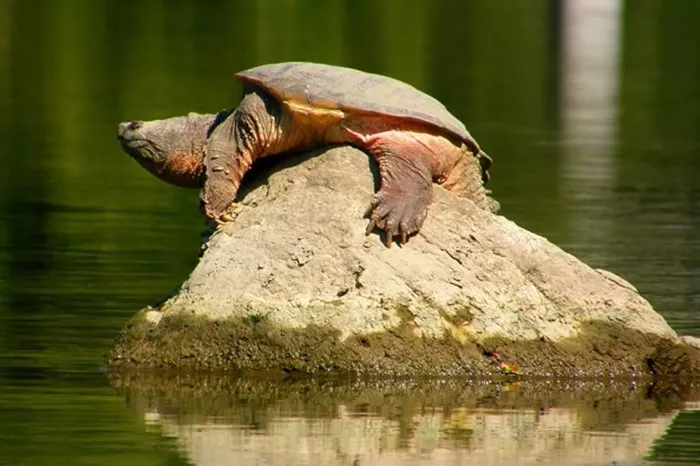
When you think of a snapping turtle, what comes to mind? Perhaps a creature lurking quietly beneath the water’s surface, its beak-like jaws ready to snap at anything that gets too close. But did you know that, just like many reptiles, snapping turtles also enjoy basking in the sun? This article will dive deep into the fascinating world of snapping turtles, exploring their sunbathing habits and why these ancient reptiles need the warmth of the sun to thrive. If you’ve ever wondered why you see turtles lying on rocks or basking on logs, you’re about to uncover some interesting facts!
What Does Sunbathing Mean for Snapping Turtles?
Just like many reptiles, snapping turtles are ectothermic, meaning they rely on external sources of heat to regulate their body temperature. Think of it like how you might warm up in the sun after a swim on a chilly day. For a turtle, the sun serves as a natural “battery charger,” providing essential warmth to keep their body functioning. Without the heat, their metabolism slows down, making them sluggish.
But does that mean snapping turtles love the sun? Well, not exactly. They need the sun, but they don’t always “sunbathe” for fun. Instead, they rely on sunbathing as part of their survival strategy.
Why Do Snapping Turtles Sun Themselves?
Sunbathing is essential for snapping turtles for several reasons:
1. Temperature Regulation
Turtles, including the snapping variety, cannot produce their own heat like mammals can. Therefore, they need to bask in the sun to warm up. A snapping turtle’s body temperature can dramatically impact how well it functions. If it’s too cold, their digestion slows, and they become less active. Basking in the sun provides the warmth necessary to get their bodies moving properly again.
2. Digestion and Activity Boost
Imagine if you tried to digest a big meal during winter – it would be tough to do without a bit of warmth. Snapping turtles use sunbathing to help digest food efficiently. When they are too cold, they can become lethargic, which affects their ability to hunt and eat. Sunbathing gives them the energy they need for these activities.
3. Vitamin D Synthesis
Just like humans need sunlight to produce vitamin D, snapping turtles also benefit from sun exposure. Vitamin D is essential for calcium absorption, which is crucial for the health of their bones and shells. Without enough sunlight, snapping turtles can suffer from metabolic bone disease, which weakens their skeleton and shell.
Where and When Do Snapping Turtles Sunbathe?
You’re likely to see snapping turtles sunbathing on sunny days, especially during the warmer months. But not just anywhere—snapping turtles are usually found basking on rocks, logs, or sandy banks near the water. They often emerge in the early morning or late afternoon when the sun is at a comfortable height and the temperatures are ideal.
While they do bask on land, they always remain close to water. Why? Because if they feel threatened or too hot, they can dive right back into the cool water. It’s their escape route, making them feel safe while still getting the benefits of the sun.
See Also: Are Snapping Turtles Dangerous to Dogs? Here Are Truths
How Long Do Snapping Turtles Stay in the Sun?
The duration a snapping turtle spends basking varies depending on the temperature and its individual needs. On average, they may spend anywhere from 30 minutes to a few hours sunbathing. Some turtles might bask for longer if the temperature is just right and they need extra warmth to boost their metabolism.
But be careful! Even though they enjoy the warmth, snapping turtles don’t want to overheat. If the weather gets too hot, they’ll retreat to the water to cool down. This behavior is crucial because overheating can lead to dehydration, which is dangerous for turtles.
Are Snapping Turtles Vulnerable While Sunbathing?
When a snapping turtle is sunbathing, it’s not entirely without risks. Though their tough shells protect them from most predators, they are still vulnerable to certain threats, particularly from humans and larger animals like birds of prey or raccoons. That’s why snapping turtles tend to choose hidden or secluded spots where they feel safe.
A fun fact: snapping turtles can also use their camouflage to blend into their surroundings while basking. Their dark, rough shells often make them hard to spot, which helps them avoid potential threats while soaking up the sun.
How Do Snapping Turtles Choose Their Basking Spots?
Turtles are picky about where they bask. They prefer areas where they have access to both sunlight and water. Why water? It provides a quick escape route if they feel threatened or too hot. The spot must also offer protection from predators, so turtles often choose spots like fallen logs, rocks, or mud banks that provide them with shelter and a vantage point to watch their surroundings.
Interestingly, snapping turtles are also known to use the heat from rocks or logs to stay warm. These surfaces absorb heat during the day, releasing it slowly over time. This allows the turtles to enjoy a warm bask even as the air cools down, especially during the early morning or late afternoon.
Do All Turtles Sunbathe in the Same Way?
Not all turtles behave the same way when it comes to sunbathing. While many turtles, like the box turtle, may be seen basking on land for long periods, snapping turtles are more selective and careful about their basking habits. They tend to be more secretive about their sunbathing and prefer to stay close to the water’s edge. Unlike some species, they don’t often bask in large groups. They’re solitary creatures and may bask alone or with just a few others.
Interesting Facts About Snapping Turtle Sunbathing
Sunbathing isn’t just for the heat: Although warmth is important, snapping turtles also use basking spots for resting, so you might find them chilling in the sun just to take a break.
Long-term sun exposure: Sometimes, snapping turtles might even bask in the same spot for weeks. They don’t always roam to different spots like other species, which makes them easy to spot if you know where to look.
Basking can be a social event: On occasion, snapping turtles may share basking spots with other species, such as painted turtles, but this isn’t always the case. They can be territorial about their spots, especially when they’re in need of warmth.
Conclusion
Sunbathing is a vital aspect of a snapping turtle’s daily routine, helping them regulate their body temperature, digest food, and even synthesize vitamin D. These fascinating creatures are more complex than many people realize, and their behavior offers insight into how reptiles interact with their environment.
While you might not always see them basking in the sun, snapping turtles depend on it for their survival. The next time you spot one lounging on a rock or log, you’ll know it’s more than just relaxation—it’s part of their strategy to thrive.
Related topics: