
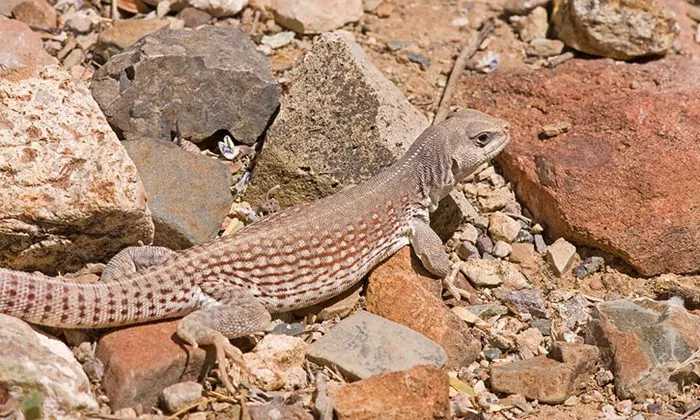
Arizona is known for its vast, sun-baked deserts, home to a variety of unique wildlife adapted to harsh conditions. Among these remarkable creatures is the desert iguana (Dipsosaurus dorsalis), a species perfectly suited to the extreme temperatures and rugged terrain of the Sonoran and Mojave deserts. If you’ve ever wondered whether this fascinating reptile roams the Arizona landscape, you’re in for an insightful journey. In this article, we’ll dive into the world of the desert iguana, its habitat, behavior, and whether Arizona is truly home to this extraordinary reptile.
Introduction: The Desert Iguana’s Habitat
Desert iguanas are one of the many reptiles that thrive in the arid conditions of the southwestern United States and northern Mexico. With their specialized adaptations, these creatures have earned their place as one of the hardiest reptiles in the desert ecosystem. But does Arizona, with its dry and dusty landscapes, really have desert iguanas? The answer is yes—but only in certain regions of the state. Let’s take a closer look at how these creatures make Arizona their home.
Where Can You Find Desert Iguanas in Arizona?
Desert iguanas are found primarily in the Sonoran and Mojave deserts, and much of their range overlaps with southern California, Nevada, and Arizona. In Arizona, they’re mostly found in the southern regions, including parts of the Sonoran Desert. This vast desert stretches from southwestern Arizona into Mexico and provides the perfect environment for these cold-blooded reptiles.
The desert iguana prefers habitats with sparse vegetation, including areas with creosote bushes, a key plant species in the desert ecosystem. These lizards can often be spotted basking in the sun during the early morning or late afternoon, when temperatures are a bit more forgiving.
While the Sonoran Desert is where you’ll find most desert iguanas in Arizona, they can also be found in the Mojave Desert, especially along the borders of Arizona and Nevada.
What Do Desert Iguanas Look Like?
Desert iguanas are medium-sized lizards, with an average length of about 16 inches, including their tail. They are generally light in color, ranging from pale brown to grayish tones, with a distinctive pattern of lighter and darker markings on their bodies. These markings help them blend into the desert sand and rocky terrain, providing them with camouflage from predators. Their tails, which can be almost half their total body length, are long and slender, often covered with small, spiny scales.
In terms of behavior, desert iguanas are quite calm and non-aggressive. If you encounter one, it’s unlikely to pose a threat to you. They are herbivores by nature and primarily feed on the leaves, flowers, and fruits of desert plants. They may occasionally snack on insects, but their diet is predominantly plant-based. These reptiles are excellent climbers and can often be seen lounging in low bushes or basking on rocks.
How Do Desert Iguanas Adapt to the Heat?
One of the most impressive features of the desert iguana is its ability to withstand extreme desert temperatures. The desert is known for its blistering heat during the day and sudden drops in temperature at night. For the desert iguana, staying active during the hottest part of the day is essential. Unlike many other reptiles, which seek shade to escape the heat, desert iguanas embrace it, often basking in direct sunlight.
The iguana’s thick, scaly skin provides protection from the sun’s rays, while its internal cooling mechanisms help regulate its body temperature. However, when the temperatures reach above 110°F (43°C), desert iguanas become less active and seek shelter underground in burrows or under shrubs. This ability to tolerate high heat is one reason why the desert iguana is considered one of the most heat-resistant reptiles in North America.
Reproduction and Life Cycle of the Desert Iguana
Desert iguanas are oviparous, meaning they lay eggs. Mating typically occurs in the spring months, between April and June, and female desert iguanas lay their eggs in sandy burrows. A single clutch usually contains between 3 to 8 eggs, which incubate in the warm desert soil for about 2 to 3 months.
The young iguanas emerge in late summer, usually around September, and are ready to start their independent lives almost immediately. As juveniles, they are quite vulnerable to predators, which include birds of prey, snakes, and even foxes. However, as they grow and develop, their chances of survival improve, and they gradually become more adept at evading danger.
What Threats Do Desert Iguanas Face in Arizona?
Like many desert-dwelling species, desert iguanas face several threats to their survival, including habitat loss, predators, and climate change. In Arizona, human development and the expansion of agriculture have resulted in a loss of habitat for many native species, including the desert iguana. Additionally, the increasing frequency of wildfires in the Southwest can destroy the delicate desert ecosystem and further threaten the iguana’s population.
Predators such as birds of prey (hawks and falcons), coyotes, and snakes are also a constant danger. Despite their speed and ability to burrow quickly, these iguanas must remain vigilant to survive in such a competitive environment.
How Can You Help Desert Iguanas in Arizona?
If you live in or visit Arizona, you can help desert iguanas and other native species by taking a few simple steps:
Respect their habitat: Avoid disturbing desert iguanas and other wildlife by sticking to designated trails and minimizing your impact on natural areas.
Plant native vegetation: If you have a garden, consider planting native desert plants that support wildlife, including desert iguanas.
Support conservation efforts: Look for local organizations dedicated to preserving desert habitats and supporting endangered species.
By making small changes in how we interact with the environment, we can help ensure that desert iguanas continue to thrive in Arizona.
Conclusion
Desert iguanas are indeed a part of Arizona’s desert ecosystem, particularly in the Sonoran Desert region. These fascinating reptiles have adapted to the extreme conditions of the desert, making them a vital part of the desert food chain. While they face several threats from human activity, climate change, and predators, efforts can be made to support their survival and protect their natural habitat.
As a unique species perfectly suited to desert life, desert iguanas continue to capture the imagination of reptile enthusiasts and wildlife lovers alike. With their remarkable adaptations, they stand as a testament to nature’s ability to thrive in even the harshest environments.
Related topics: