
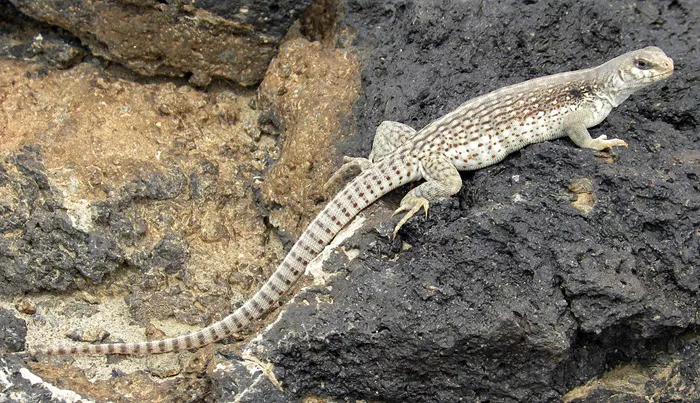
If you’ve ever been captivated by reptiles and their unique lifestyles, then the desert iguana is surely one species you can’t overlook. But how big is a desert iguana? Is it a giant creature that towers over its environment, or is it more of a modest-sized reptile that blends seamlessly into the desert landscape?
In this article, we’ll dive deep into the size of the desert iguana, exploring not only its physical dimensions but also the factors that influence its growth. By the end, you’ll have a comprehensive understanding of this fascinating creature and why its size is a crucial aspect of its survival in the harsh deserts of the American Southwest.
Introduction: The Desert Iguana and Its Incredible Journey
The desert iguana (Dipsosaurus dorsalis) is a fascinating reptile native to the deserts of the Southwestern United States and Northern Mexico. These creatures thrive in the harsh, hot environments of the Sonoran and Mojave deserts, where temperatures soar, and vegetation is sparse. But despite their often unforgiving habitat, desert iguanas manage to survive and even thrive.
A crucial element of their survival is their size—something that might not seem very important at first, but in the world of reptiles, it’s everything. Their size determines their ability to find food, escape predators, and regulate body temperature.
Now, let’s answer the burning question: how big can a desert iguana get?
Physical Size: A Snapshot of Their Dimensions
Length: The Growing Process of a Desert Iguana
The desert iguana, when fully grown, can measure up to 16-20 inches (40-50 cm) in length. This size includes the body and the tail, which, just like with other lizards, is often the longest part of their body. To put that into perspective, a full-grown desert iguana can be around the size of a large ruler or a medium-sized baguette.
It’s also important to note that the tail alone can make up half of their total body length. Imagine a desert iguana lounging in the sun, with its tail stretched out behind it, forming a balance to the rest of its body. Their tails serve as a form of communication, helping them maintain balance, and play a vital role in defense by allowing them to escape predators quickly.
As hatchlings, desert iguanas are much smaller—usually about 3 inches (7.5 cm) in length. Over time, they will grow, shedding their skin multiple times during the process.
Weight: Not the Heaviest, but Steady Growth
In terms of weight, a fully-grown desert iguana typically weighs around 4 to 5 ounces (110 to 140 grams). They’re not particularly heavy creatures, which suits their desert environment where being light on your feet (or in their case, on your claws) is essential for survival.
However, don’t mistake their lightweight for fragility. Despite their relatively modest weight, desert iguanas are known for being tough and agile, able to scurry up rocks and burrow into the sand when threatened.
Fun Fact: One of the most interesting aspects of desert iguanas is their agility. Despite their weight, they can move incredibly quickly when they need to, especially during their mating season or when escaping predators.
Comparing Sizes: How Do They Stack Up Against Other Iguanas?
When you think of iguanas, you might imagine the massive green iguana (Iguana iguana) that’s often seen in pet stores or as a popular species among reptile enthusiasts. These green iguanas can reach lengths of 5 to 6 feet (150-180 cm)!
So, how does the desert iguana compare?
While the desert iguana may seem small in comparison to the green iguana, its size is perfect for its niche in the desert ecosystem. A smaller size allows the desert iguana to hide more easily in the underbrush and evade larger predators like birds of prey or coyotes.
Why Size Matters: The Role of Their Dimensions in Survival
Why is the size of a desert iguana so important? Well, let’s break it down:
Temperature Regulation: Desert iguanas are ectothermic, which means they rely on external temperatures to regulate their body heat. Their moderate size allows them to absorb heat from the sun, without overheating. Larger iguanas might find it harder to regulate body temperature in such extreme conditions.
Speed and Agility: As mentioned, their size makes them nimble. Desert iguanas can quickly dash away from predators, making use of their small frame to hide in crevices or burrow into the sand to escape.
Diet and Food Availability: Their size also plays a role in how much food they need. Larger animals require more food, and in the desert, food is often scarce. Being a mid-sized reptile helps them survive on a diet of plants and insects, which they can find in small quantities.
Growth Stages: From Hatchling to Full-Grown Iguana
Desert iguanas experience several growth stages throughout their lives. Here’s what their growth journey looks like:
Hatchlings: When desert iguanas are born, they’re tiny, measuring just 3 inches (7.5 cm). At this stage, they rely heavily on their mothers for protection, and they feed on small vegetation and insects to grow.
Juveniles: As they grow, they shed their skin multiple times. By the time they’re juveniles (about 1 year old), they might reach a length of 6 to 8 inches (15 to 20 cm).
Adults: By 2 to 3 years old, desert iguanas reach their adult size of 16-20 inches (40-50 cm). At this point, they become sexually mature and start engaging in mating behaviors.
How Long Do Desert Iguanas Live?
On average, desert iguanas live about 10 to 15 years in the wild, though they can live longer in captivity if properly cared for. Their lifespan also depends on factors such as diet, habitat, and predator threats. A healthy desert iguana that grows to its full size can live a long and relatively peaceful life, especially if it manages to avoid predators like hawks, foxes, and snakes.
Conclusion
So, to sum it up, the desert iguana isn’t the biggest iguana in the world, but its size is perfectly suited to its environment. A typical desert iguana grows to be between 16-20 inches in length, with a tail that makes up much of its length. Weighing in at around 4-5 ounces, it’s a lightweight but resilient reptile that thrives in the harsh desert.
The size of this iguana is not just about aesthetic appeal—it’s about survival. Its moderate size helps it regulate its body temperature, move quickly to evade predators, and make do with the limited food supply available in its desert home.
Next time you’re out in the desert or thinking about adopting a reptile, remember the desert iguana and its incredible adaptability!
Related topics: