
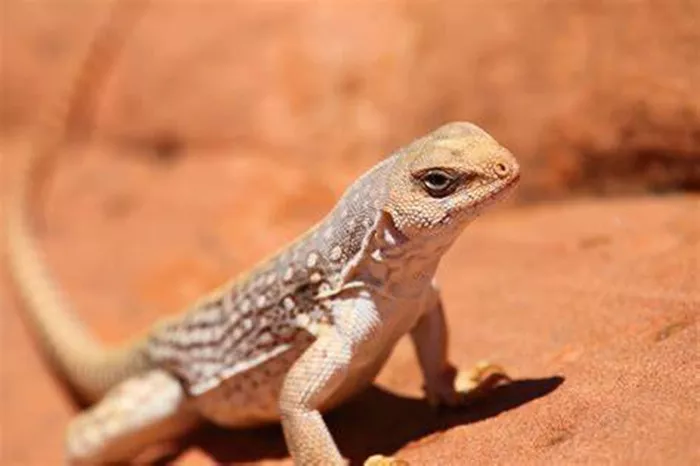
The Desert Iguana (Dipsosaurus dorsalis) is one of the most fascinating reptiles found in North America’s arid southwestern deserts. Whether you’re an avid reptile enthusiast or just curious about the unique creatures that inhabit some of the harshest environments on Earth, the Desert Iguana will certainly capture your attention. With its ability to thrive in extreme temperatures, this lizard proves that life can flourish even in the most unforgiving habitats.
If you’ve ever wondered how animals survive in the desert heat, the Desert Iguana’s fascinating adaptations provide the perfect answer. Let’s take a closer look at this remarkable species, exploring everything from its diet and behavior to its survival tactics and role in the ecosystem.
Introduction to the Desert Iguana
The Desert Iguana is a relatively small but resilient reptile that thrives in the hot desert regions of the southwestern United States and parts of Mexico. Known for its grayish-green skin and distinctive body shape, this iguana is well-suited to the harsh desert environment, where temperatures can reach well over 100°F (38°C) during the summer months.
If you’ve ever found yourself in the blazing desert sun, you might think that surviving there would be nearly impossible. But the Desert Iguana has evolved incredible mechanisms to handle the heat, the dry air, and the scarcity of water. The way it survives these extreme conditions is a true marvel of nature.
Where Do Desert Iguanas Live?
As the name suggests, Desert Iguanas are primarily found in desert regions, specifically in the Mojave Desert, Sonoran Desert, and Colorado Desert. These areas, which stretch across California, Arizona, Nevada, and parts of Mexico, are known for their dry, arid conditions and extreme temperatures.
How Do Desert Iguanas Adapt to Desert Life?
In their desert habitats, these iguanas face the challenge of finding shelter from the scorching sun and staying hydrated in an environment where water is scarce. But they have developed a number of survival strategies to thrive in such an unforgiving environment.
Unlike other reptiles that might seek shade under rocks or bushes, Desert Iguanas have mastered the art of basking. They are diurnal creatures, which means they are most active during the day. During the hottest hours of the day, they tend to seek shelter in burrows or under shrubs to protect themselves from the sun’s rays.
Physical Characteristics of the Desert Iguana
The Desert Iguana is easily recognizable by its scaled, light-colored body, which helps it blend into its surroundings. Its grayish-green color allows it to camouflage with the dry desert terrain, making it less noticeable to predators.
One of the most striking features of the Desert Iguana is its long tail. Like many other iguana species, it uses its tail as a defense mechanism. If threatened, it can drop its tail to escape from a predator, although this process can leave the iguana vulnerable.
How Does the Desert Iguana Handle Extreme Heat?
One of the most impressive adaptations of the Desert Iguana is its ability to tolerate high temperatures. While most reptiles become lethargic in extreme heat, the Desert Iguana thrives in it. The maximum temperature it can endure is about 113°F (45°C), which is well above the threshold for most reptiles. It regulates its body temperature by seeking shelter in burrows during the hottest part of the day and basking in the sun during cooler morning or evening hours.
This is similar to how you might feel the need to adjust your clothing or seek shade when the temperature rises. The Desert Iguana’s body has a unique way of keeping it cool, allowing it to remain active and healthy despite the desert’s extreme temperatures.
Diet of the Desert Iguana
The Desert Iguana is an herbivore, primarily feeding on a variety of desert plants, including leaves, flowers, and fruits. It has a particular fondness for the flowers of the creosote bush, a common plant found in the desert. Additionally, the Desert Iguana may also eat cactus pads, as well as wild herbs and other vegetation that grow in the desert.
What Do Desert Iguanas Eat and How Do They Find Food?
In the wild, food can be scarce, especially during the dry months. So how do Desert Iguanas find enough to eat? They are opportunistic feeders, which means they will take advantage of whatever plants are available during different seasons. This is like how you might enjoy a variety of fruits and vegetables when they are in season.
During the hotter months, when water is scarce, the iguana may also consume juicy fruits like prickly pear and watermelon to stay hydrated. This strategy not only helps with hydration but also provides essential nutrients for survival.
Behavior and Social Structure of Desert Iguanas
Desert Iguanas are generally solitary creatures, especially when it comes to males. During the breeding season, however, they become more social, and males may fight for territory and the attention of females. These territorial disputes typically involve head-bobbing, tail-whipping, and other aggressive displays.
Despite their solitary tendencies, Desert Iguanas have an interesting social structure. Males are more likely to be seen during mating season, while females often remain hidden in their burrows for much of the time.
How Do Desert Iguanas Communicate?
Although they don’t communicate as much as some other animals, Desert Iguanas do have a variety of ways to signal each other. Male iguanas may perform head-bobbing displays to assert dominance, while females are more likely to remain passive. You might even see them nod their heads or flick their tails to communicate aggression or submission.
Reproduction of the Desert Iguana
Desert Iguanas breed once a year, usually in late spring or early summer. During this time, males become more active and engage in territorial displays to attract females. After mating, females will dig nests in the soil to lay their eggs. A single clutch can contain anywhere from 5 to 15 eggs, which are buried and left to incubate for several months.
What Happens After the Eggs Hatch?
After several months, the eggs hatch, and young iguanas emerge from the soil. These hatchlings are tiny versions of the adults and are fully independent from the moment they hatch. However, they remain vulnerable to predators such as hawks, snakes, and other desert creatures, and their survival depends on how well they can blend into their environment.
Threats to the Desert Iguana
Although the Desert Iguana is well-adapted to its harsh environment, it faces several threats in the wild. One of the primary dangers is habitat destruction due to urban expansion, agricultural development, and climate change. As human populations grow and the desert environment is altered, Desert Iguanas may lose their homes.
Additionally, Desert Iguanas face predation from a variety of animals, including birds of prey, coyotes, and other reptiles. Human activities, such as illegal pet trade and over-collecting, also contribute to the species’ declining numbers.
How Can We Protect the Desert Iguana?
Conservation efforts are crucial to ensuring the survival of this species. Protecting desert habitats, limiting urban expansion, and enforcing laws against the illegal pet trade are some of the most effective ways to protect these fascinating creatures.
Conclusion
The Desert Iguana is an extraordinary reptile that has learned to thrive in one of the harshest environments on Earth. Its ability to withstand extreme temperatures, find food in an unforgiving landscape, and reproduce in tough conditions is a testament to the power of evolution and survival. If you’re ever lucky enough to encounter one of these resilient creatures, you’ll be reminded of just how remarkable the natural world truly is.
Related topic: